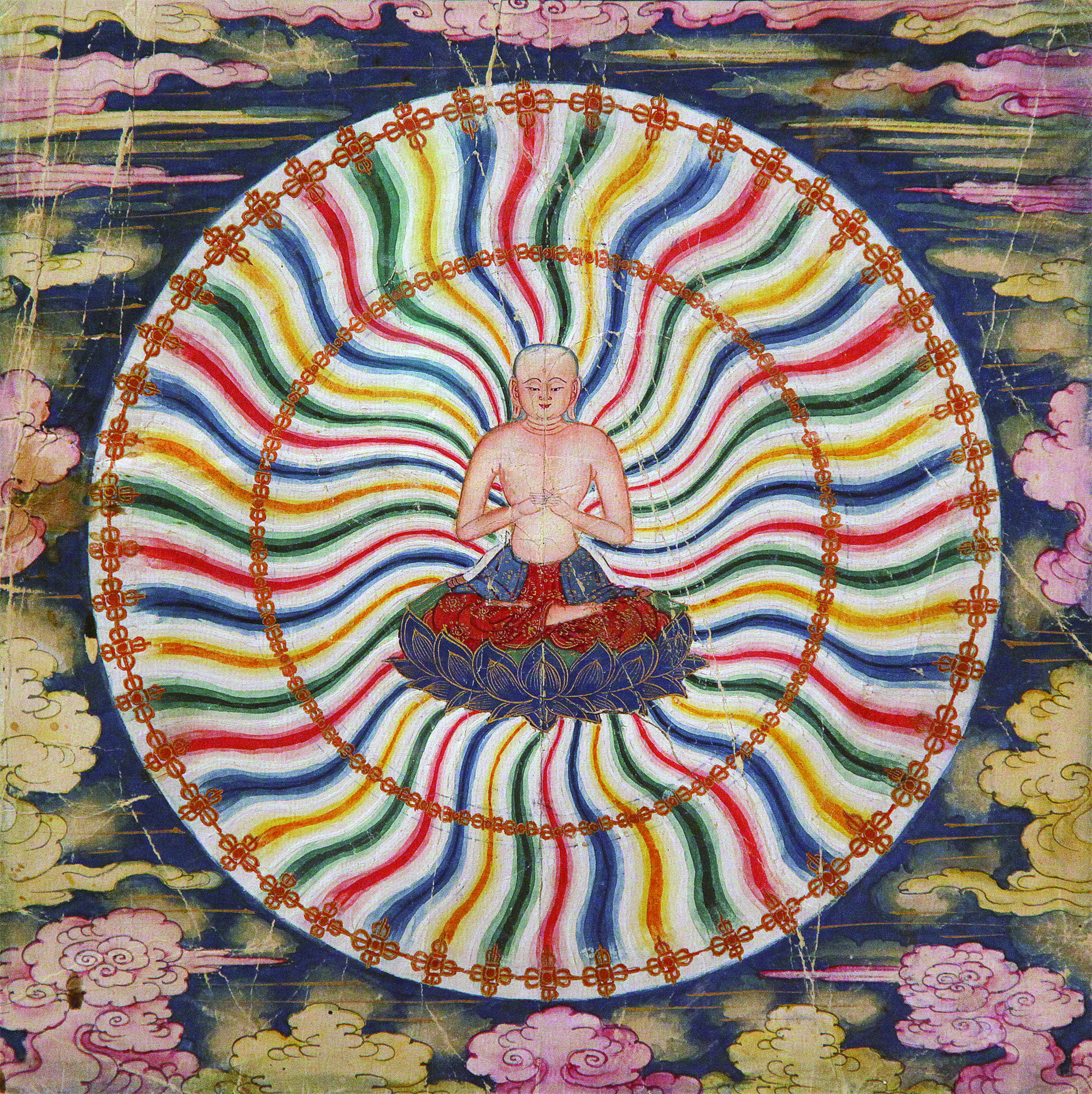
In Pānadurē in the British colony of Ceylon in 1871, a Buddhist monk and a Christian missionary debated each other in front of five thousand people over which religion was the more scientific.
A New Pilgrimage: John Vervaeke on Finding Practices that Build Meaning | Over the Mountains #15
Dharma Talk: Sangha – The Mindfulness Bell
We all need love. Without enough love, we may not be able to survive, as individuals and as a planet. It is said that the next Buddha will be named
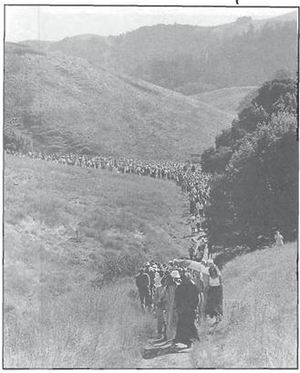
Taking Love Seriously: What Ancient Wisdom & Modern Psychology Say About Interconnectedness - The Great Simplification
In this episode, Nate welcomes Dr. John Churchill, a psychologist and former Buddhist monk, to explore a map of human development that runs from "first-person" perspective of the isolated self all the way to a felt, embodied sense of interdependence with the planet itself.

The Next Buddha May Be a Sangha - Inquiring Mind
Thich Nhat Hanh's closing remarks to those attending his Day of Mindfulness at Spirit Rock Meditation Center in October, 1993.

Genealogy, Enchantment, and the War for the Mind | The Journal for Cultural and Religious Theory | JCRT
Carl Raschke interviews Jason Ānanda Josephson Storm on genealogy after genealogy, the myth of disenchantment, and the long history behind the militarization of the mind.
Origins of the Mind Only School and Its Relationship with the Madhyamaka View of Emptiness | Karmapa – The Official Website of the 17th Karmapa
A Teaching on Vasubandhu’s The Thirty Verses: Day 2 24 January 2022
AudioDharma - Love
Audio Dharma is an archive of Dharma talks given by Gil Fronsdal and various guest speakers at the Insight Meditation Center in Redwood City, CA. Each talk illuminates aspects of the Buddha's teachings. The purpose is the same that the Buddha had for his teachings, to guide us toward the end of suffering and the attainment of freedom.
The InterBrain - How Collective DreamWeaving Can Heal the World
Ancient Indian texts reveal the liberating power of metaphysics | Psyche Ideas
Indian metaphysics presented a philosophical route to a higher level of existence beyond limits of space and time

India - C-01: Population by religious community, India - 2011
Informatics of the Oppressed
An inquiry into the rich history of radical experiments to reorganize information.

The Hero with a thousand faces
The first popular work to combine the spiritual and psy…

Postcolonial Theory and the Making of Hindu Nationalism: The Wages of Unreason
This book tells the story of two strange bedfellows, the Postcolonial Left and the Hindu Right. It argues that the Postcolonial Left’s relentless attacks on the “epistemic violence” of Western norms of rationality and modernity are providing the conceptual vocabulary for the Hindu Right’s project of “decolonizing the Hindu mind.” The postcolonial project of “provincializing Europe” is widely shared by the Hindu Right, and harks back to the Hindu revivalist movements of the ninete

Uposatha
An Uposatha (Pali: uposatha; Sanskrit: Upavasatha) day is a Buddhist day of observance, in existence since the Buddha's time (600 BCE), and still being kept today by Buddhist practitioners.[1][2] The Buddha taught that the Uposatha day is for "the cleansing of the defiled mind," resulting in inner calm and joy.[3] On this day, both lay and ordained members of the sangha intensify their practice, deepen their knowledge and express communal commitment through millennia-old acts of lay-monastic reciprocity. On these days, the lay followers make a conscious effort to keep the Five Precepts or (as the tradition suggests) the ten precepts. It is a day for practicing the Buddha's teachings and meditation.
Tools for Thought as Cultural Practices, not Computational Objects
On seeing tools for thought through a historical and anthropological lens