

Explore how a data company named Cambridge Analytica came to symbolize the dark side of social media in the wake of the 2016 U.S. presidential election.
Facebook–Cambridge Analytica data scandal
The data was collected through an app called "This Is Your Digital Life", developed by data scientist Aleksandr Kogan and his company Global Science Research in 2013.[2] The app consisted of a series of questions to build psychological profiles on users, and collected the personal data of the users' Facebook friends via Facebook's Open Graph platform.[2] The app harvested the data of up to 87 million Facebook profiles.[2] Cambridge Analytica used the data to analytically assist the 2016 presidential campaigns of Ted Cruz and Donald Trump.[3][4] Cambridge Analytica was also widely accused of interfering with the Brexit referendum, although the official investigation recognised that the company was not involved "beyond some initial enquiries" and that "no significant breaches" took place.[5][6]
Data, Democracy and Dirty Tricks
Facebook-Cambridge Analytica: A timeline of the data hijacking scandal
Facebook is desperately trying to mend its damaged reputation following the continued fallout of a massive data scandal.
Data, Democracy and Dirty Tricks
Watch all of Channel 4 News' investigations into both Cambridge Analytica - the British data firm linked to Trump's win - and the Brexit campaign.
The Cambridge Analytica Files | The Guardian
Latest The Cambridge Analytica Files news, comment and analysis from the Guardian, the world's leading liberal voice
Facebook Data Privacy Scandal: A Cheat Sheet - TechRepublic
Read about the saga of Facebook's failures in ensuring privacy for user data, including how it relates to Cambridge Analytica, the GDPR, the Brexit campaign, and the 2016 US presidential election.
One Response to the Cambridge Analytica Scandal: Block Facebook's
With Facebook in a dominant position in hosting a huge portion of the world’s social conversation, we’ve been worried about the incredible power the company has accumulated and the risks that poses
Cambridge Analytica and the end of elections
The latest Cambridge Analytica leaks show just how compromised voting - one of the pillars of democracy - has become.

Fedica (@fedica.com)
We've been doing social media analytics for well over a decade, no other social media platform provided public age data per account like this Facebook has user_birthday but users must authorize the app to read their own data, not of any account! Have we not learned anything from Cambridge Analytica

Facebook may stop the data leaks, but it’s too late: Cambridge Analytica’s models live on
Long after the training data has been deleted, the models can continue being improved and used to influence future voters.

Big Tech tried to get young people addicted. Now we’re fighting back
Two seismic court decisions in the US have intervened where legislators have failed to defend social media users from exploitation, writes campaigner Zamaan Qureshi
Dan Shipper 📧 on Twitter / X
The smallest technical decisions become humanity's biggest pivots:The same-origin policy—a well-intentioned browser security rule from the 1990s—accidentally created Facebook, Google, and every data monopoly since. It locks your data in silos—and you stayed where your stuff… pic.twitter.com/G87qsuPHxN— Dan Shipper 📧 (@danshipper) July 9, 2025

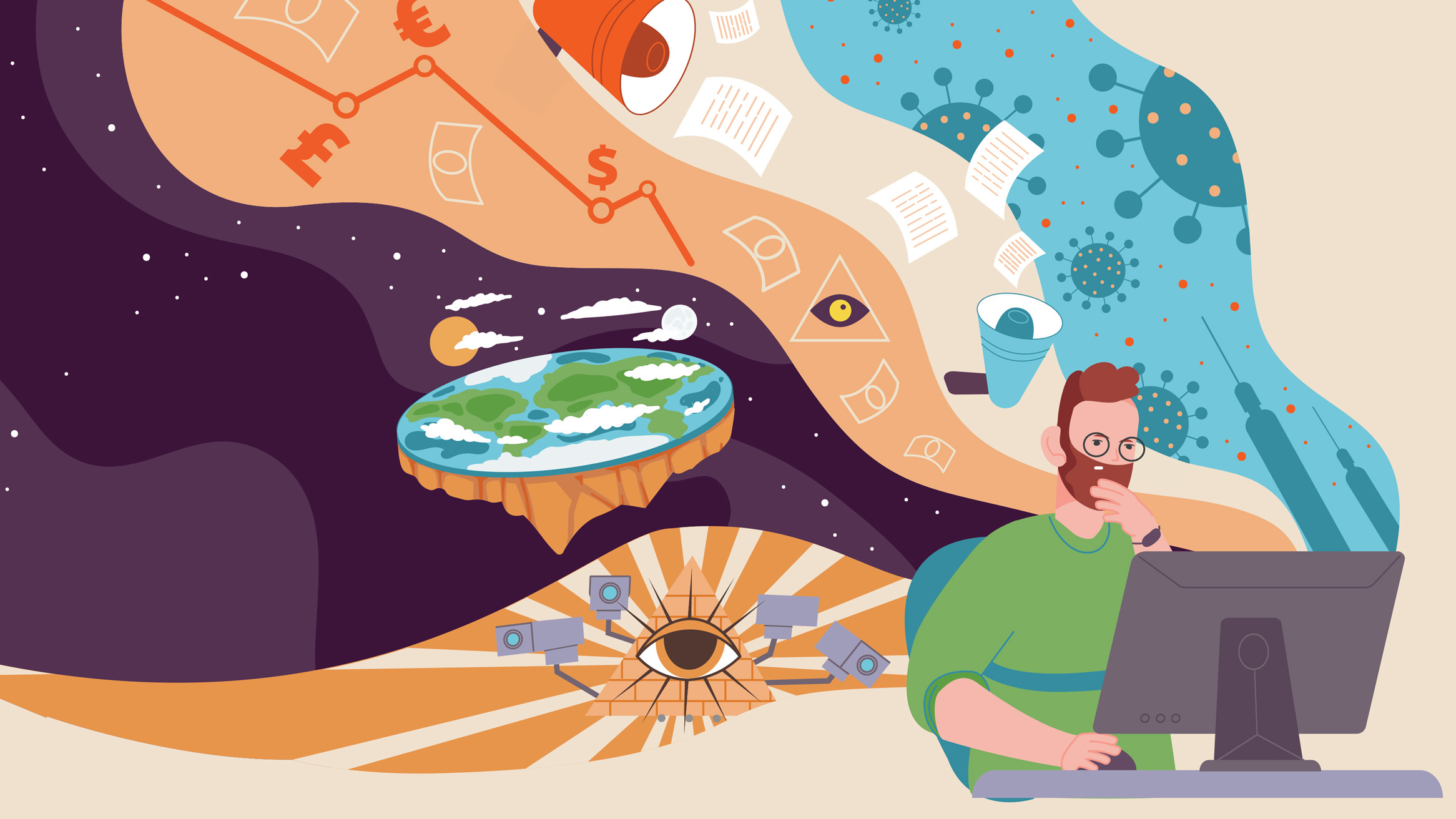
Bias, Skew, and Search Engines Are Sufficient to Explain Online Toxicity
U.S. political discourse seems to have fissioned into discrete bubbles, each reflecting its own distorted image of the world. Many blame machine-learning algorithms that purportedly maximize “engagement”—serving up content that keeps YouTube or Facebook users watching videos or scrolling through their feeds—for radicalizing users or strengthening their partisanship. Sociologist Shoshana Zuboff15 even argues that “surveillance capitalism” uses optimized algorithmic feedback for “automated behavioral modification” at scale, writing the “music” that users then “dance” to.
Bias, Skew, and Search Engines Are Sufficient to Explain Online Toxicity
U.S. political discourse seems to have fissioned into discrete bubbles, each reflecting its own distorted image of the world. Many blame machine-learning algorithms that purportedly maximize “engagement”—serving up content that keeps YouTube or Facebook users watching videos or scrolling through their feeds—for radicalizing users or strengthening their partisanship. Sociologist Shoshana Zuboff15 even argues that “surveillance capitalism” uses optimized algorithmic feedback for “automated behavioral modification” at scale, writing the “music” that users then “dance” to.
tfw @aaronstevenwhite.io brings an analysis as sharp as a knife to your half-baked Saturday-morning thoughts: aaronstevenwhite.leaflet.pub/3miwsz2hdv22i 🤯 If we're going to own our data, let's actually own our data. Which is to say: No, really, y'all, we're doing this. 💖🧠

Machine-readable attitudes - Computational Semantics++
aaronstevenwhite.leaflet.pubFacebook–Cambridge Analytica data scandal

Separated into its own collection. The fallout happened in 2018. Search terms: Meta, SCL Group, AggregateIQ, Donald Trump, Steve Bannon, Ted Cruz, Brexit, Leave.EU, BeLeave, Trinidad and Tobago, Russia
Facebook-Cambridge Analytica: A timeline of the data hijacking scandal
Facebook Data Privacy Scandal: A Cheat Sheet - TechRepublic
疑惑の選挙対策会社は フェイスブックのデータから 何を得ていたのか?
Facebook may stop the data leaks, but it’s too late: Cambridge Analytica’s models live on
One Response to the Cambridge Analytica Scandal: Block Facebook's
Watch The Great Hack | Netflix Official Site
