

Digitize Assets
Massively Scalable Neurotechnologies
Backed by £50m, this programme sits within the Scalable Neural Interfaces opportunity space and is seeking radically new ways to deliver responsive neurotechnologies to the brain without brain surgery.
NeuroNYC
As the global leader in finance, policy, art, research, and medicine, the region is well-positioned to lead neurotech. We help foster and promote the local neurotech ecosystem: clinics, companies, funders, labs, and users.

Yneuro | The startup behind Neuro ID®
Imagine a world where technology and human experience blend seamlessly. At Yneuro, we’re building that world. As pioneers in neurotechnology, we craft AI-driven software solutions that transcend global barriers. Celebrated in startup ecosystems and competitions, Yneuro is redefining digital interaction, making advanced technologies intuitive and accessible for everyone. Join us as we merge technology and human cognition, creating unprecedented possibilities.

Motif Neurotech — Therapeutic Brain Computer Interface For Mental Health
We're building devices to help you monitor and regulate your mental health and performance.

derek guy on Twitter / X
I suspect we're approaching a time where if you want to protect creative work, it has to be something that can't be digitized. AI has made is so that creative works speed run through the lifecycle from cool to cliche in a matter of months. This contributes to our cultural… https://t.co/HJYL6Tj6t4— derek guy (@dieworkwear) September 19, 2026
Blueprint Neurotech
The Center for Innovative NeuroTech Advancement (CINTA) & NeuroTech Harbor (NTH) announce the Cycle 6 Award Competition supported by the NIH Blueprint MedTech Program. This program is seeking collaborative projects aimed at developing emerging technologies into commercially viable, clinically focused solutions for disorders of the nervous system that are aligned with the mission and interests of the participating NIH institutes and centers.
Inventing the future: A neuroscience research roadmap
The past decade of transformative advances in neurotechnology portends an exciting future for neuroscience. This NeuroView charts a strategic path to accelerate and integrate research discovery and speed the development of new cures for human brain disorders.

Why A Neurotech VC Bet On Anthropic: Intelligence, Interpretability, and the NeuroAI Stack — Kaleida Capital
Why would a neurotech VC bet on Anthropic? This article examines how frontier AI, neuroscience, model behavior, and intelligent systems intersect within Kaleida Capital’s NeuroAI thesis and the infrastructure shaping next-generation intelligence.

Just back from a truly impactful few days at Asilomar for the Brain and Mind, hosted by the brilliant team at BrainMind. The spirit of the 1975 Recombinant DNA Conference felt palpable as we gathered… | Sean White
Just back from a truly impactful few days at Asilomar for the Brain and Mind, hosted by the brilliant team at BrainMind. The spirit of the 1975 Recombinant DNA Conference felt palpable as we gathered to chart ethical standards for the accelerating field of Neurotech. While our focus was on neuroethics, from investor diligence questions and board-level risk matrices to user/stakeholder engagement and toolkits for neuroentrepreneurs, the key themes shared a powerful parallel with AI Ethics: maintain and enhance human agency, combat misuse and mistrust, and acknowledge that innovation is moving faster than its guardrails. Both fields present novel challenges that demand we adapt our existing frameworks and principles to meet new challenges. At the heart of it all is human agency. Whether we're discussing neurodevices or large language models, our core responsibility as builders, executives, investors, and policymakers is to ensure people are informed, in control, and never burdened to fight for their own empowerment or autonomy. We have the fundamental responsibility to care about the people we serve. This commitment to responsible, human-centric development is fundamental to our work at Inflection AI. We're building with emotional intelligence at the core. Every product decision we make starts with a simple question: does this expand what people can do, or does it quietly shift the burden onto them? AI should work for the humans using it, amplifying judgment, not replacing it. Earning trust through transparency rather than demanding it through dependency. A special thank you to Diana Saville for once again outdoing herself at every event and to Michael McCullough, MD for his endless support of the ecosystem. And to all the Braingels who showed up and rolled up their sleeves! Let's translate the urgency from Asilomar into action and continue to drive positive change.

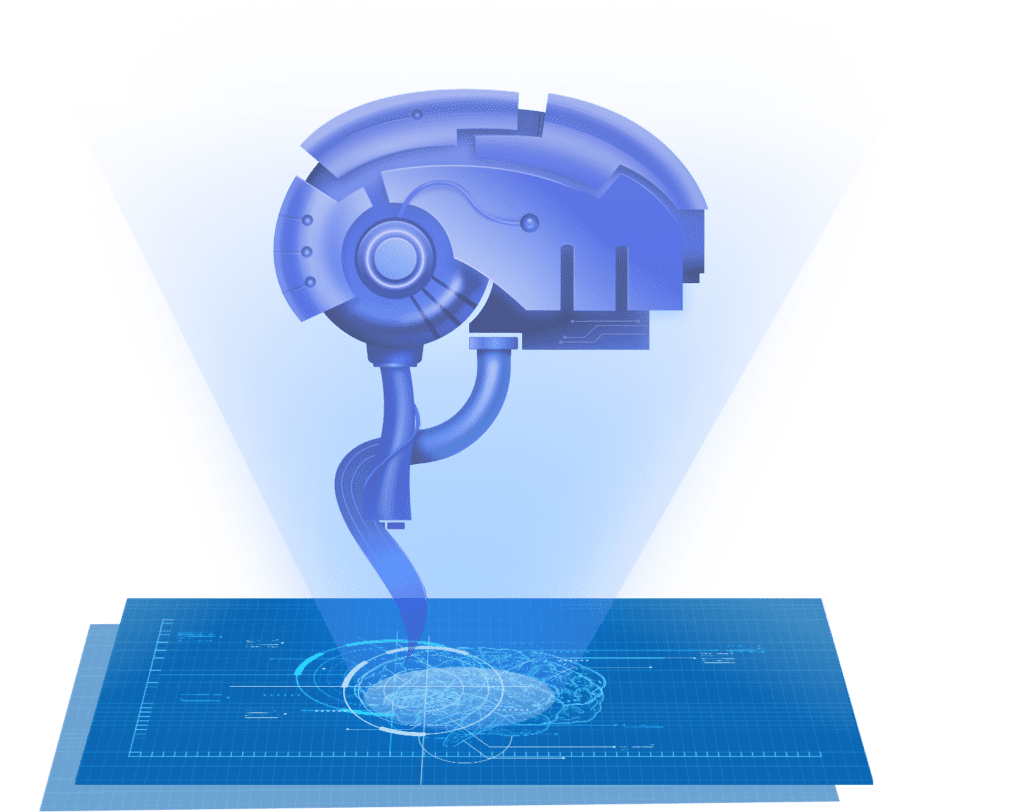
Neural Computer: A New Machine Form Is Emerging
A research essay on Neural Computer: how it differs from agents, world models, and conventional computers; what runtime and CNC would mean; what current prototypes already show; and how software and hardware might change.
About Patrick Mineault
I’m an AI researcher and neurotechnologist. I’m a NeuroAI researcher at the Amaranth Foundation. I’m always happy to take on new, manifestly important projects that are nearly imp…

François Chollet on Twitter / X
I would have assumed it was fairly obvious, but in case it's not: a million-line codebase (also known as a "harness"), running at inference time, orchestrating thousands of calls to a neural network for any given task, is the exact definition of a "neurosymbolic architecture"— François Chollet (@fchollet) August 6, 2026
UK Patent Filed for Hair-Inclusive EEG Electrode by Synaptive | Synaptive posted on the topic | LinkedIn
Big news from us 🎉 We've just filed a United Kingdom patent application on our hair-inclusive EEG electrode, the first step in taking this from prototype to something that actually reaches the labs and people who need it. For too long, EEG hardware has quietly excluded people based on hair type. Thick, coily, tightly curled, if your hair didn't fit the mould, your signal quality suffered, or you were excluded from studies altogether. That's not a small technical footnote. That's data that shapes diagnoses, treatments, and our understanding of the brain itself, built on a foundation that didn't include everyone. We built Synaptive to fix that at the hardware level, so good signal doesn't depend on who you are or what your hair looks like. Filing the patent is a huge milestone for us, and we're only getting started. If you're a researcher, lab, or manufacturer interested in electrodes that actually work for everyone, reach out on our website (synaptiveltd.co.uk). Thank you to everyone who's backed us on this journey so far ❤️ Synaptive : ) Rishan P. Peter Bryan Michael-Merlin (Merlin) Krý
Neuralink’s Bid to Trademark ‘Telepathy’ and ‘Telekinesis’ Faces Legal Issues
The brain implant company cofounded by Elon Musk filed to trademark the product names Telepathy and Telekinesis. But it turns out that another person had already filed to trademark those names.
Neurotech + NeuroAI

kkontras/NeuroAtlas
The Many Brains Project
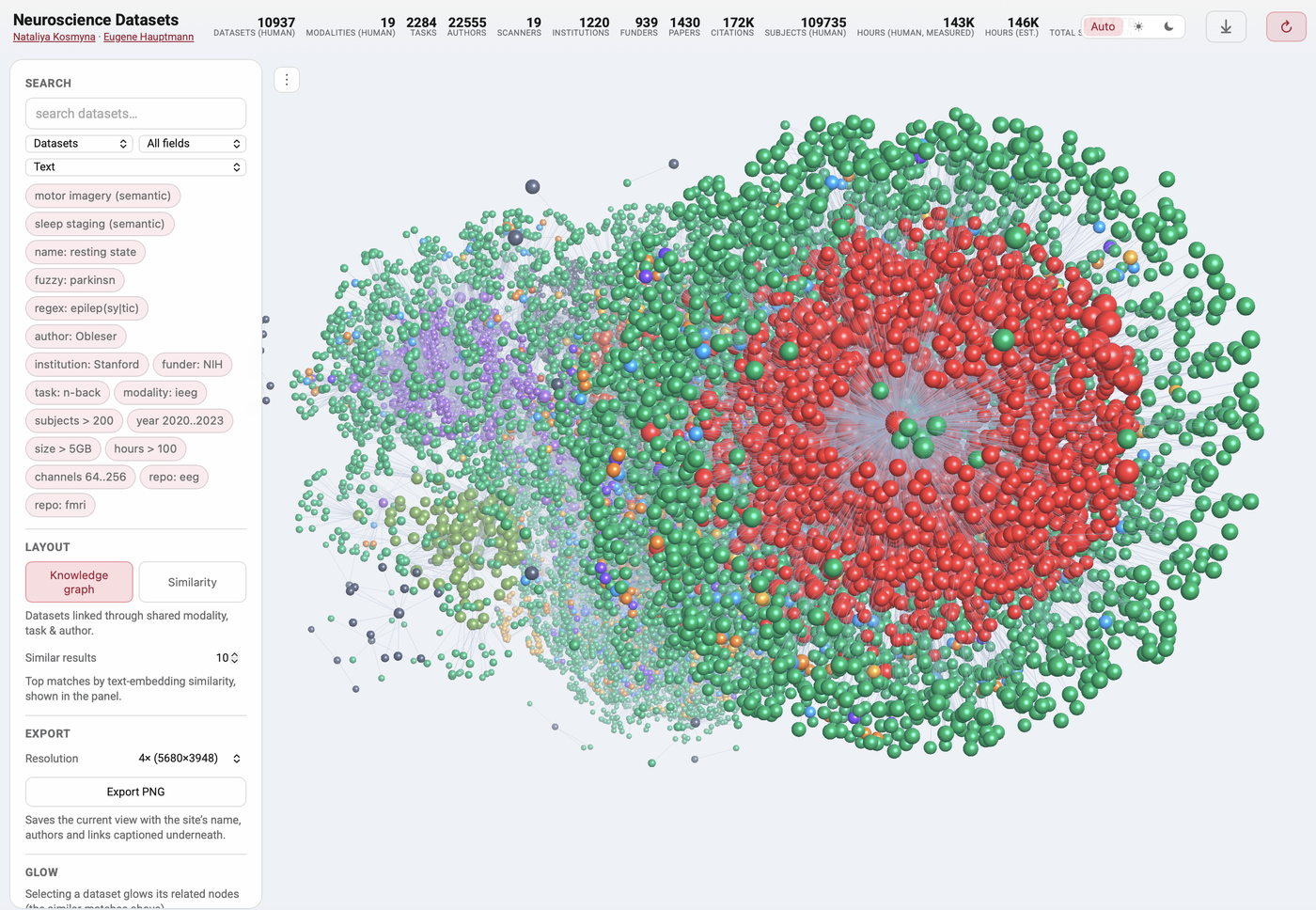
Project Overview ‹ NeuroDatasets Tool – MIT Media Lab

E11 Bio | Moonshot Neuroscience
Conduit

Dandelion Science — from digital brains to therapies