

New Energy Economy advocates for bold climate solutions through legislative advocacy, legal interventions to hold utilities and oil and gas industries accountable and renewable energy partnerships in New Mexico.
The New Geopolitics Of The Green Transition
The only path forward for tackling the climate crisis hinges on cooperative industrial strategies to coordinate clean energy investment and infrastructure development.
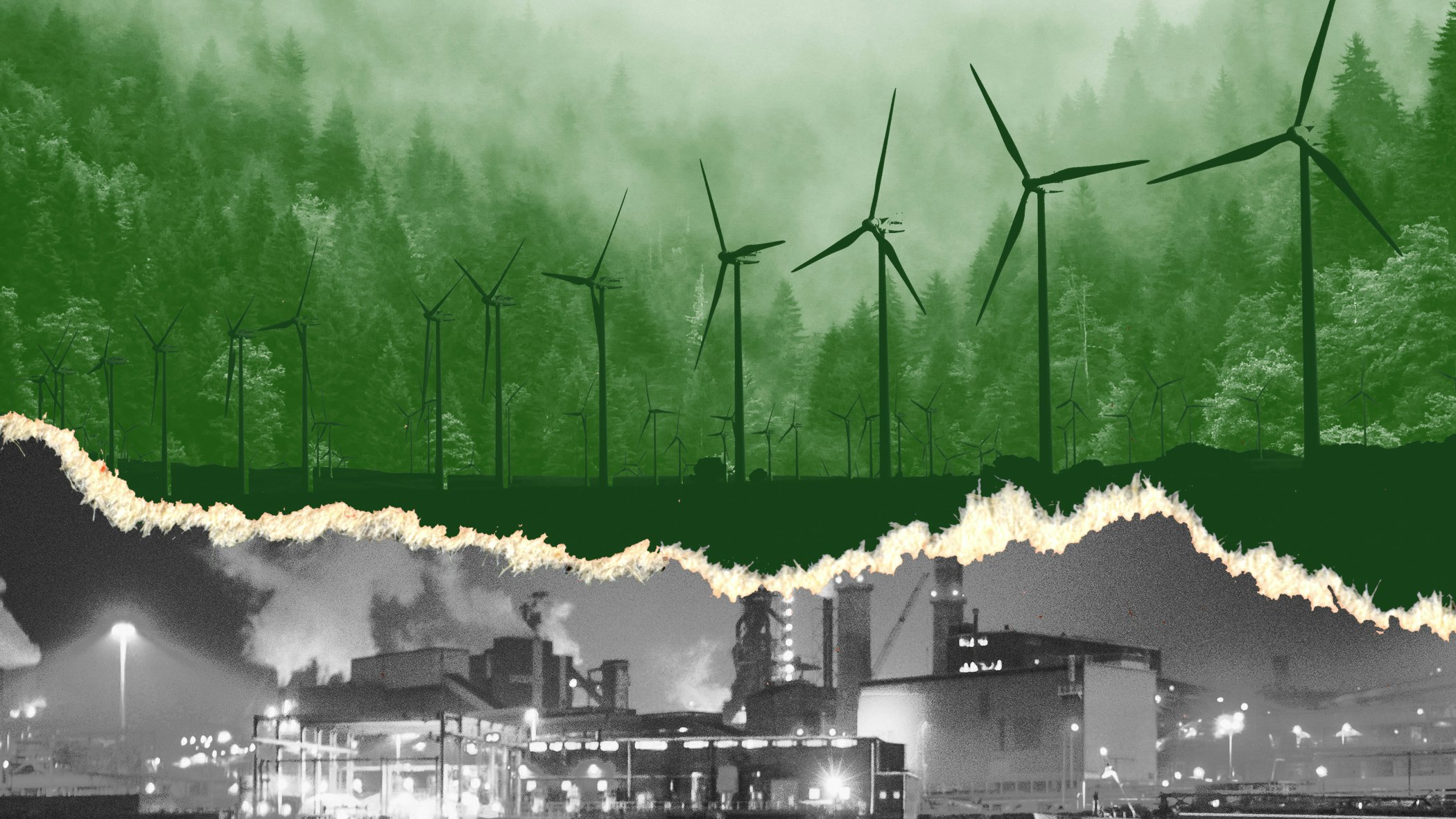
Make power affordable and sustainable – Victorian Socialists
Energy is essential infrastructure. We’re fighting for a public takeover to immediately cap electricity and gas bills, and transition to renewables sources.
Trump’s Venezuela oil deal gives US access to vast reserves as Iran war drives energy concerns | The National
Agreement deepens US involvement in Venezuela’s oil industry as midterms approach and energy prices remain elevated

Clear the Lines: Policy and Messaging for the Electric Grid the Northwest Needs
Two Sightline reports detail how Oregon and Washington can build a robust energy and climate future.
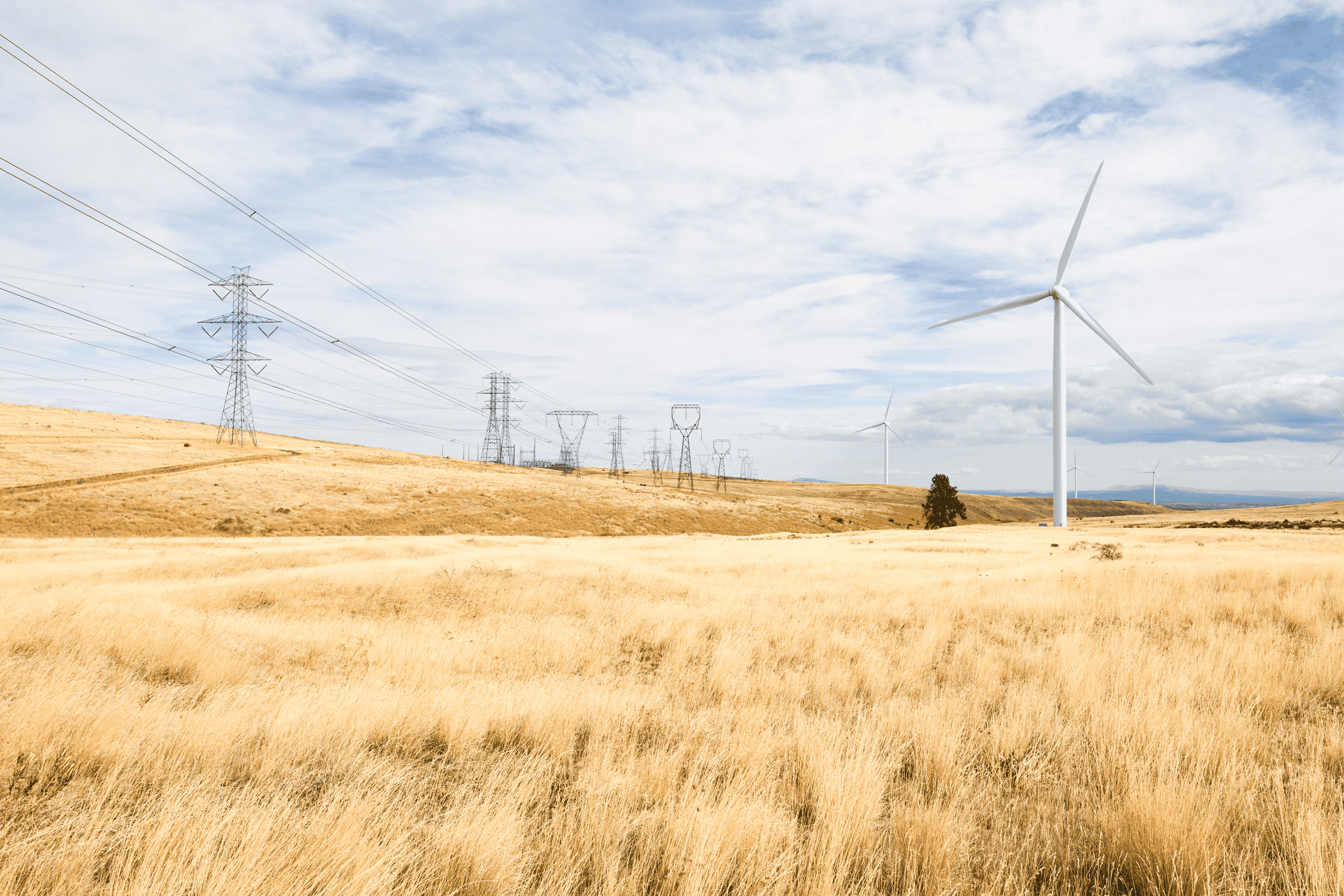
The ‘wicked trinity’ of late capitalism: Governing in an era of stagnation, surplus humanity, and environmental breakdown
Scholars within the fields of political ecology, environmental political theory, and international political economy tend to evaluate the prospects of state-led environmental transitions in general terms – enquiring as to the capitalist state’s inherent properties and their environmental implications. Less attention has been paid to how the state’s green capacities are conditioned by contemporary evolutions in the form and pace of capital accumulation. Capitalism’s directional pattern of historical development poses unique challenges for green state projects. Its drive to raise labour productivity metabolises nature on a growing scale, while generating conditions of overproduction and rendering a progressively larger portion of the population superfluous to the production process.Thus, the question is not simply whether the state can rise to the challenge of climate change, but rather how states are scrambling to govern the intersecting crises of climate catastrophe, economic stagnation, and surplus humanity. This ‘wicked trinity’ compounds the tensions at the heart of the capitalist state, resulting in an increasing inability to perform its role while sustaining its liberal form. This governance trilemma is illustrated by the case of the solar photovoltaic boom, where the spectacular increase in the productivity and scale of solar panel manufacturing have generated oversupply and falling profitability. States have reacted by indefinitely providing subsidies, financing automation technologies thatexacerbate labour superfluity, and relocating solar panel manufacturing to places with authoritarian labour regimes. The case of photovoltaics is a microcosm of the general predicament faced by states as they struggle to govern capitalism’s secular developmental tendencies.
The geopolitical fight to come over green energy
The struggle for sustainable energy will soon put China, the US and Europe on a geopolitical collision course. But moving away from fossil fuels is a Herculean task, and a greener politics will not transcend tragedy.
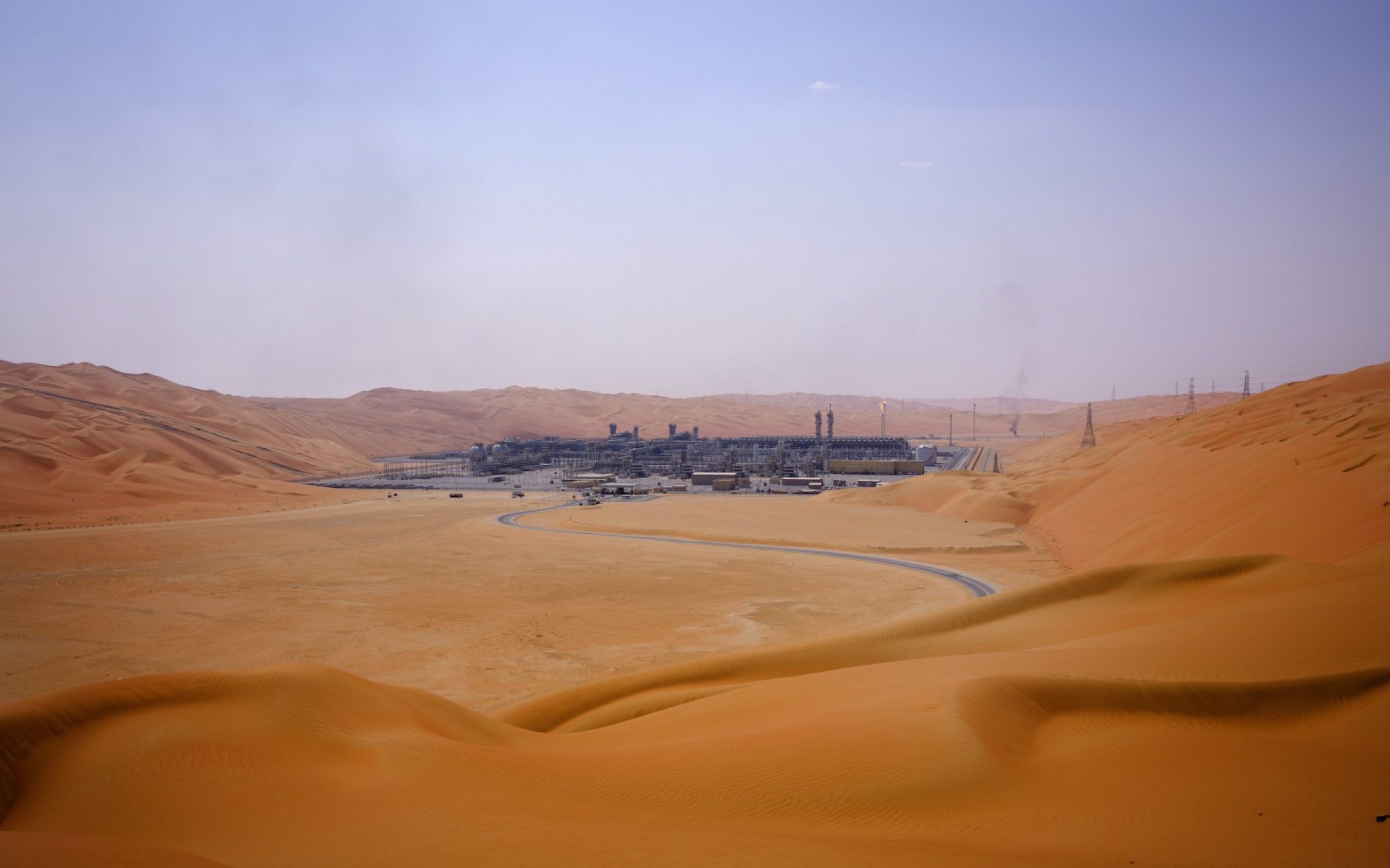
Power system costs and emissions from data center and cryptocurrency mining expansion in the United States
Abstract Rapid growth in electricity demand from data centers and cryptocurrency mining could significantly alter the trajectory of the United States’ power sector. We use an energy system optimization model to evaluate how projected demand through 2030 may influence electricity generation, power infrastructure investment, emissions, and costs under a range of scenarios. We model power sector capacity expansion and dispatch decisions across 26 interconnected power regions, incorporating policy constraints and spatial variation in renewable resources and transmission infrastructure. We find that data center and cryptocurrency demand could increase 2030 power sector CO 2 emissions by up to 28% relative to a future with no data center growth, driven by increased generation from natural gas and coal plants. Regional effects vary substantially: coal-fired generation rebounds to meet demand in Northern Virginia, while Texas accommodates growth primarily through natural gas generation. Electricity costs, as measured by demand-weighted locational marginal prices, rise by up to 57% in some regions, with a national average increase of 6%–29% across the modeled scenarios. Outcomes are highly sensitive to natural gas prices. Lower natural gas prices are associated with lower emissions before considering data center demand (with natural gas displacing coal), but result in large incremental emissions attributed to data centers as coal power utilization increases to meet the increased load. In contrast, higher natural gas prices shift a greater share of new demand toward cost-competitive renewable resources, thereby moderating emissions impacts. Reinstating federal incentives for renewable electricity would dampen both the cost and emissions attributable to data center demand. Distributing new data center and cryptocurrency demand more broadly across the grid reduces regional price spikes, but has little effect on national average electricity costs. Overall, these findings highlight the need for proactive planning and targeted policy to ensure that growing data center electricity demand does not strain efforts to achieve near-term climate and affordability goals.
Sustainable Economies Law Center
Sustainable Economies Law Center cultivates a new legal landscape that supports community resilience and grassroots economic empowerment. We provide essential legal tools so communities everywhere can develop their own sustainable sources of food, housing, energy, jobs, and other vital aspects of a thriving community. We provide essential legal tools - education, research, advice, and advocacy - to support the transition to more just and resilient local economies.

Culturalizing sustainability
Policy-makers and scientists dominate high-level sustainability debates but any decision that follows has consequences for ordinary people in their local communities and environments. We asked experts to reflect on the importance of embracing a culturally informed, bottom-up approach to the sustainability discourse and action.

Dispelling the Myths of a Renewable Energy Transition
Imperial State Capitalism
A new geopolitics is shaping the development of AI and the energy transition.

How To End Capitalism
Addressing climate change and protecting our environment – Victorian Socialists
The climate crisis is driven by the profit motive. We need a shift to 100 percent publicly owned renewable energy and an end to old-growth logging.
Nonprofit | Earth Care New Mexico | Santa Fe
Earth Care provides our youth and families with the tools we need to secure a healthy, just, and equitable future in Santa Fe, New Mexico. We recruit and train grassroots leaders from the ground up. We organize across generations and cultures for environmental, racial, and economic justice.
