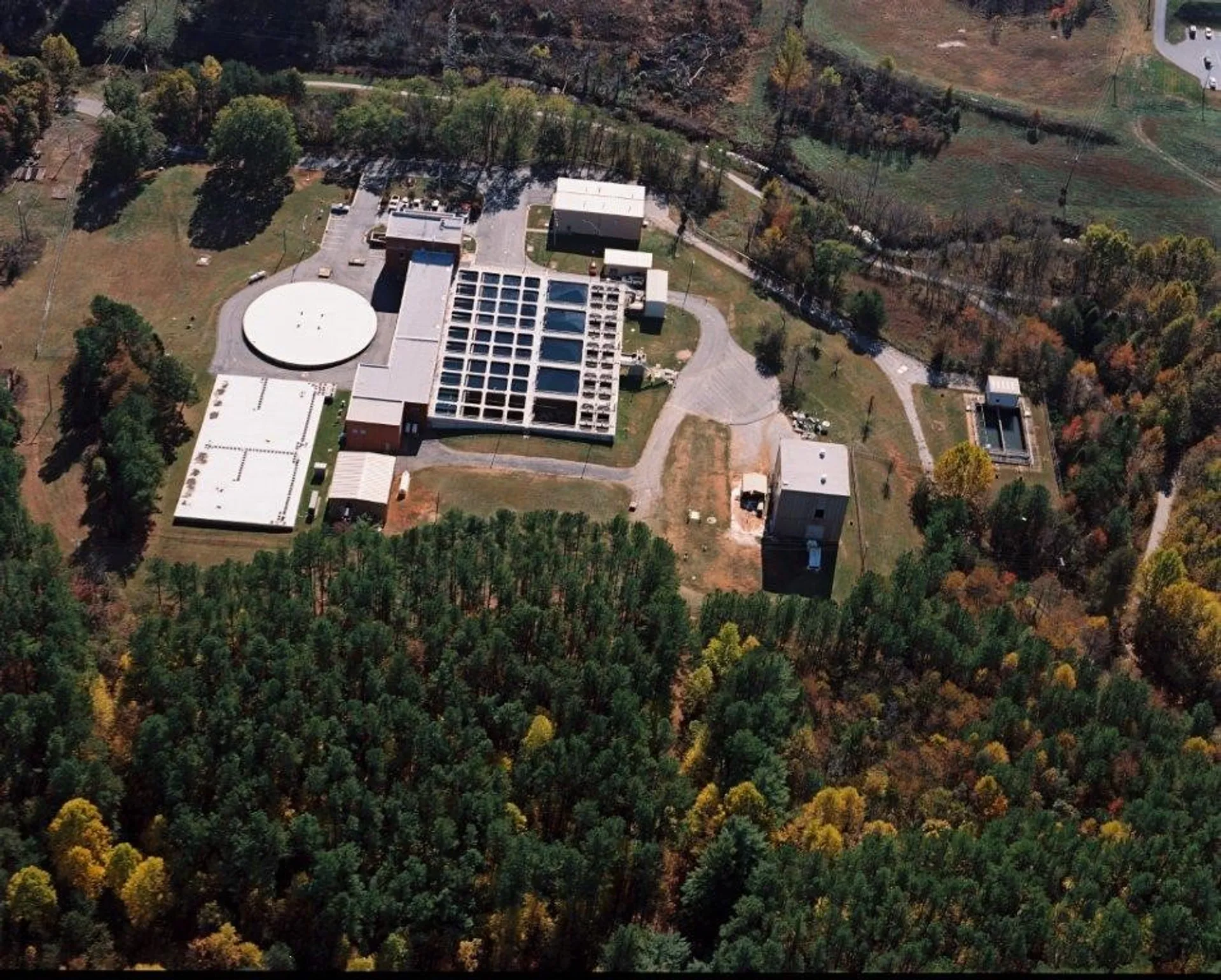
The EPA said many U.S. water systems have "cybersecurity vulnerabilities, such as default passwords that have not been updated."
US drinking water quality: exposure risk profiles for seven legacy and emerging contaminants
Advances in drinking water infrastructure and treatment throughout the 20th and early 21st century dramatically improved water reliability and quality in the United States (US) and other parts of the world. However, numerous chemical contaminants from a range of anthropogenic and natural sources continue to pose chronic health concerns, even in countries with established drinking water regulations, such as the US.
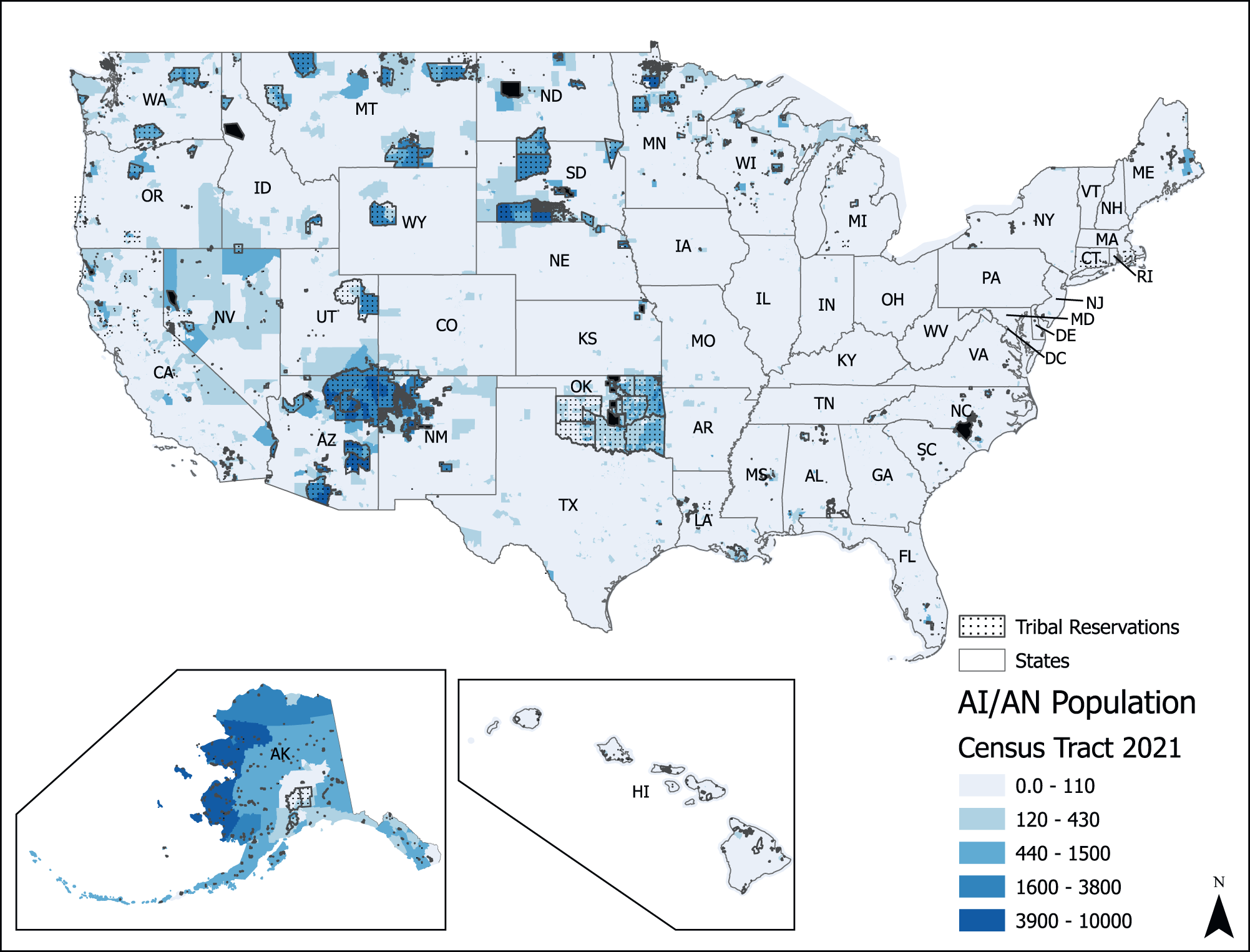
Socioeconomic Disparities in Exposures to PFAS and Other Unregulated Industrial Drinking Water Contaminants in US Public Water Systems
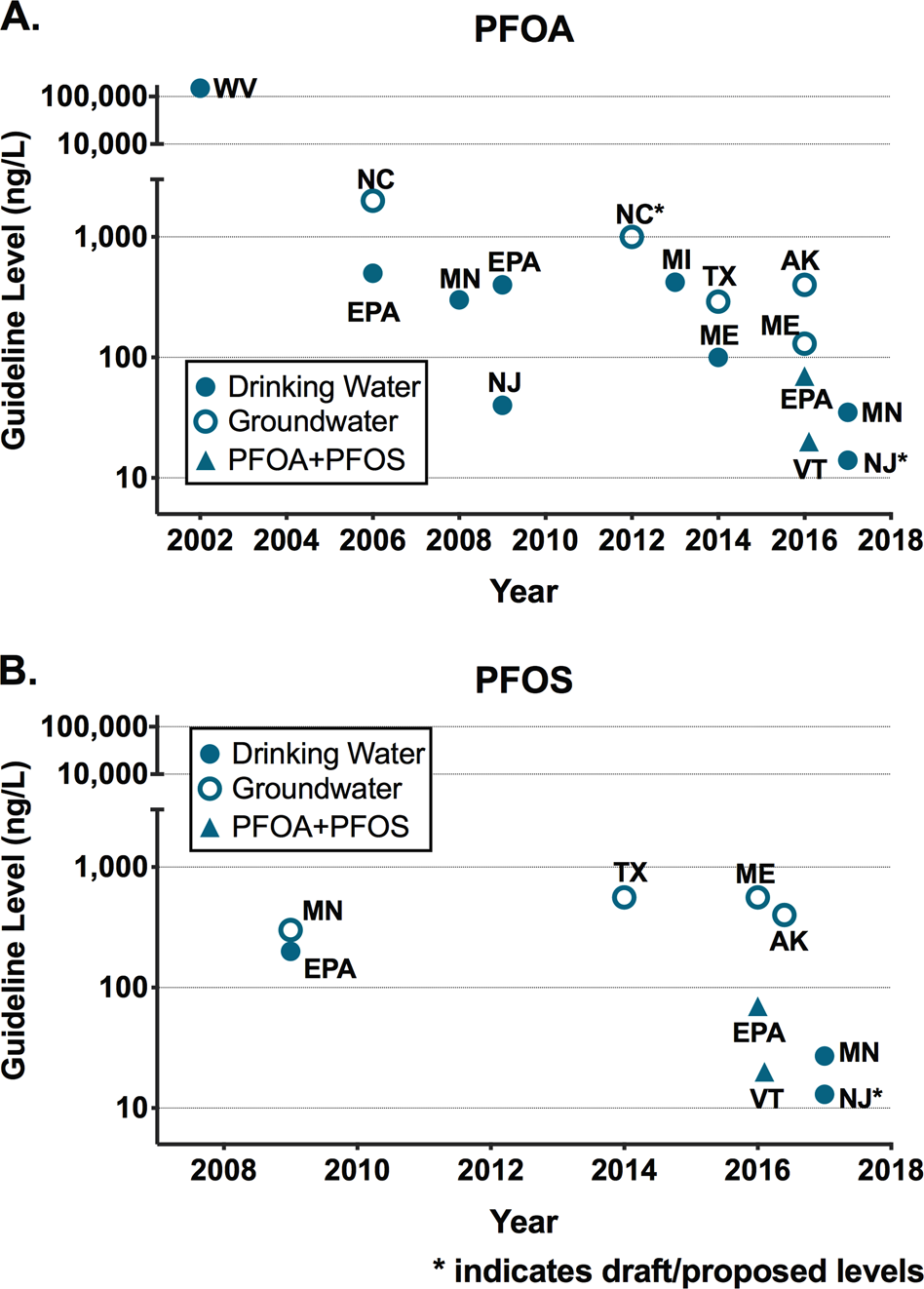
Guideline levels for PFOA and PFOS in drinking water: the role of scientific uncertainty, risk assessment decisions, and social factors
Communities across the U.S. are discovering drinking water contaminated by perfluoroalkyl and polyfluoroalkyl substances (PFAS) and determining appropriate actions. There are currently no federal PFAS drinking water standards despite widespread drinking water contamination, ubiquitous population-level exposure, and toxicological and epidemiological evidence of adverse health effects. Absent federal PFAS standards, multiple U.S. states have developed their own health-based water guideline levels to guide decisions about contaminated site cleanup and drinking water surveillance and treatment. We examined perfluorooctanoic acid (PFOA) and perfluorooctane sulfonate (PFOS) water guideline levels developed by the U.S. Environmental Protection Agency (EPA) and state agencies to protect people drinking the water, and summarized how and why these levels differ. We referenced documents and tables released in June 2018 by the Interstate Technology and Regulatory Council (ITRC) to identify states that have drinking water and groundwater guideline levels for PFOA and/or PFOS that differ from EPA’s health advisories (HAs). We also gathered assessment documents from state websites and contacted state environmental and health agencies to identify and confirm current guidelines. Seven states have developed their own water guideline levels for PFOA and/or PFOS ranging from 13 to 1000 ng/L, compared to EPA’s HA of 70 ng/L for both compounds individually or combined. We find that the development of PFAS guideline levels via exposure and hazard assessment decisions is influenced by multiple scientific, technical, and social factors, including managing scientific uncertainty, technical decisions and capacity, and social, political, and economic influences from involved stakeholders. Assessments by multiple states and academic scientists suggest that EPA’s HA is not sufficiently protective. The ability of states to develop their own guideline levels and standards provides diverse risk assessment approaches as models for other state and federal regulators, while a sufficiently protective, scientifically sound, and enforceable federal standard would provide more consistent protection.
SilentSpringInstitute/ej_ucmr3
Code associated with the UCMR3 paper entitled "Socioeconomic disparities in exposures to PFAS and other unregulated industrial drinking water contaminants in U.S. public water systems"
Sociodemographic Factors Are Associated with the Abundance of PFAS Sources and Detection in U.S. Community Water Systems
Abstract. Drinking water contaminated by per- and polyfluoroalkyl substances (PFAS) is a widespread public health concern, and exposure–response relationsh
Update: Ongoing Investigation and Continued Remediation
Open Source Security Advisory Update: Wednesday, April 1, 2026 Boston, MA 10:00 AM ET Over the past week, we have nearly finalized our investigation and are now in the final stages of documentation and review. There continues to be no indication that Aqua’s commercial products have been affected. As part of this process, we identified …

You’re Thinking About AI and Water All Wrong
Fears about AI data centers’ water use have exploded. Experts say the reality is far more complicated than people think.

Characteristics of ‘early adopters’ of water treatment capacity needed to remove PFAS and other emerging contaminants in the United States
Larger CWS were 7–8 times more likely than smaller systems to adopt advanced treatment processes over 2004–2022. , Past work shows exposures to drinking water contaminants can differ among regions with varying sociodemographic composition, in part due to disparities in siting of pollution sources. Drinking water treatment by reverse osmosis, ion exchange, or activated carbon has been recommended by United States (US) regulatory agencies for community water systems (CWS) with elevated concentrations of emerging chemical toxicants such as per- and polyfluoroalkyl substances (PFAS). However, barriers faced by CWS in implementing such technologies are not well understood. Here we used a national scale ( n = 36 611 CWS) Kaplan–Meier “survival” analysis, as well as adjusted piecewise logistic regression models, to retrospectively examine characteristics of CWS that were “early adopters” of these treatment technologies between 2004–2022. Results showed the largest CWS serving >100 000 customers adopted the treatment technologies considered here 7–8 times faster than small and very small CWS serving <3300 customers from 2004–2022. Nationally and for a case study of CWS with elevated PFAS concentrations, the odds of CWS adopting the treatment technologies considered in this study between 2004–2022 were significantly lower (10–25%) for each 10% higher proportion of non-Hispanic Black residents. Results were generally consistent when focusing on CWS with prior MCL violations and in CWS across different US regions , system sizes, and source water types. The proportion of American Indian and Alaskan Native residents was also inversely associated with adoption of the treatment technologies for certain groups of CWS. These results suggest managerial and financial barriers to removal of high levels of emerging contaminants in drinking water may be most pronounced for some small CWS and those serving selected historically marginalized communities.
County-level associations between drinking water PFAS contamination and COVID-19 mortality in the United States
Epidemiologic and animal studies both support relationships between exposures to per- and polyfluoroalkyl substances (PFAS) and harmful effects on the immune system. Accordingly, PFAS have been identified as potential environmental risk factors for adverse COVID-19 outcomes.
Treatment Processes Reported by US Public Water Systems (2004-2020)
This repository holds records on treatment processes and objectives reported by United States (US) public water systems from 2004-2020. These data were obtained via a Freedom of Information Act request made to the US Environmental Protection Agency in June 2020. Data were reported quarterly. Please refer to the associated publication (Liddie et al., 2026) for additional details on these data. Please cite both this repository and the publication if you use or refer to these data.
Iran-Linked Hackers Are Sabotaging US Energy and Water Infrastructure
As Trump threatens Iranian infrastructure, the US government warns that Iran has carried out its own digital attacks against US critical infrastructure.

EPA Launches Initiative to Strengthen Support for Water Systems, Maximize Impact to Ensure Clean, Safe Water for All | US EPA
EPA launched the Real Water Technical Assistance (RealWaterTA) initiative, a back-to-basics approach to support drinking water and wastewater systems using proven, best-practice approaches that will most effectively address local needs.
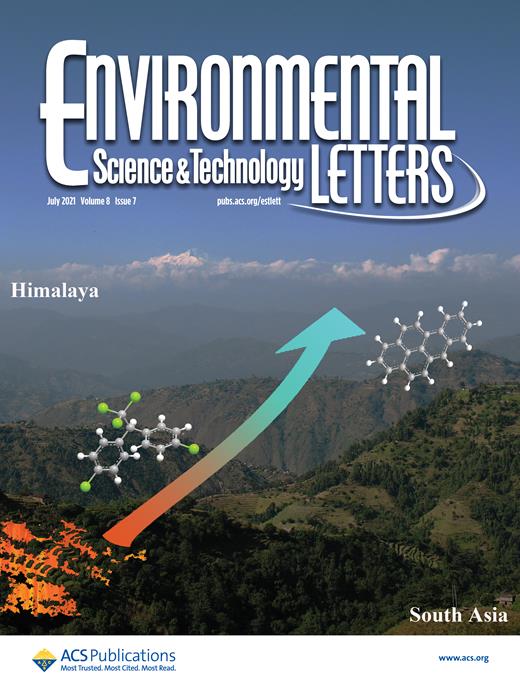
A Statistical Approach for Identifying Private Wells Susceptible to Perfluoroalkyl Substances (PFAS) Contamination
Abstract. Drinking water concentrations of per- and polyfluoroalkyl substances (PFAS) exceed provisional guidelines for millions of Americans. Data on priv
Water Use Isn’t a Data Center Problem, It’s an AI Problem
Critics of the AI build-out are picking the wrong fight when they attack data centers for their water use. But they are right when they say the digital economy is getting thirstier and the tech industry should answer for it.The whole AI supply chain is water intensive, and reducing use in one ...

Humans, not rogue AI, are still the biggest cybersecurity risk to energy systems
Critical infrastructure was already vulnerable.

2025 Water Quality Report: Statesville Water Quality Report Released – All State & Federal Standards Met
The City of Statesville has released its 2025 Water Quality Report, confirming that the City’s drinking water meets or exceeds all health standards set by the U.S. Environmental Protection Agency (EPA) and the North Carolina Department of Environmental and Natural Resources (DENR).