


People are pining for old technologies—CD players, VCRs, Walkmans. What’s behind our longing for inconvenience?
We used to get excited about technology. What happened?
Innovation that truly serves us all is in scarce supply. That’s a problem.
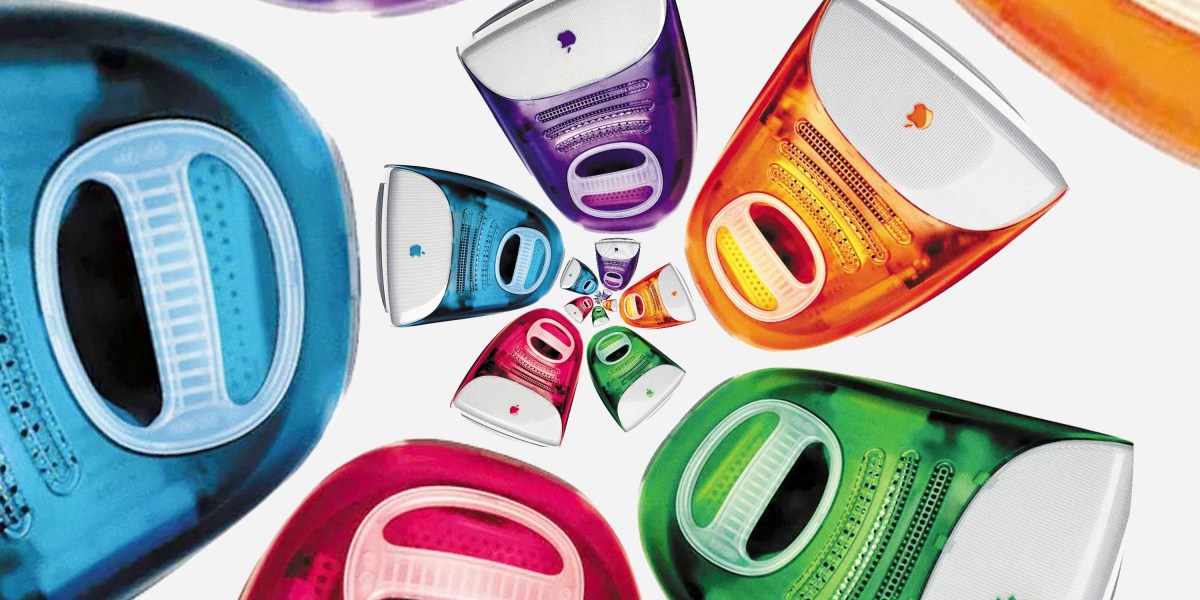
The Golden Age Is Behind Us: How the Status Quo Impacts the Evaluation of Technology
New technology invariably provokes concerns over potential societal impacts. Even as risks often fail to materialize, the fear continues. The current research explored the psychological underpinnings of this pattern. Across four studies ( N = 2,454 adults recruited via Amazon Mechanical Turk), we found evidence for the role of status quo thinking in evaluating technology. In Study 1, we experimentally manipulated the reported age of unfamiliar technology and found that people evaluate it more favorably when it is described as originating before (vs. after) their birth. In Studies 2 through 4, participants’ age at the time of invention strongly predicts attitudes toward a wide range of real-world technologies. Finally, we found that individual differences in status-quo-based decision-making moderated evaluations of technology. These studies provide insight into how people respond to the rapidly changing technological landscape.

100 years of whatever this will be
What if all these weird tech trends actually add up to something? Last time, we explored why various bits of trendy technology are, in my o...
The Beginning of the End of Big Tech
From politicians to VC firms, everyone is falling out of love with the massive, money-oriented, global technology titans. In their place, we have the chance to build something open and trustworthy.

Technology is Not Values Neutral: Ending the Reign of Nihilistic Design
We fail to take tech seriously when we do not grasp its full impact on humans

The Digital Life Collective
The Digital Life Collective is an enabler. If you think we should be doing something we're not currently doing, we're here to help you and your project make the change you want to see in the world.
Appropriate Measures — Real Life
Changing the tech we use is not enough to mitigate the environmental and social harm of mass technology

music hardware is a fashion accessory
why is everyone obsessed with audio hardware now?
Digital Degrowth: Radically Rethinking our Digital Futures
We are fast approaching the point of “peak digital”, with the continued mass production and excessive consumption of digital technologies set to become a key driver of climate crisis, ecological breakdown and ongoing societal instability.<br /> <br /><i>Digital Degrowth</i> is a call to completely rethink our digital futures in these fast-changing times. It explores how degrowth thinking and alternate forms of “radically sustainable computing” might support ambitions of sustainable, scaled-down and equitable ways of living with digital technologies. Neil Selwyn proposes a rebalancing of digital technology use: digital degrowth is not a call for simply making reduced use of the digital technologies that we already have – rather it is an argument to reimagine digital practices that maximise societal benefits with minimal environmental and social impact. Drawing on illustrative examples from across computer science, hacker and environmental activist communities, this book examines how core degrowth principles of conviviality, autonomy and care are already being used to reimagine alternate forms of digital technology.<br /> <br />Original and stimulating, this is essential reading for students and scholars of media and communication, sustainability studies, political ecology, computer/data sciences, and across the social sciences.

How Big Tech Co-opted DIY – and how to Fight Back | The Quietus
As technology has developed in the last twenty years, it has brought with it a sense of enablement. Over time, access to nearly everything has become simpler, and as such, the message from Silicon Valley and its offshoots was that you can do it all. I have worked in the music industry since the late […]


THE PEOPLE DO NOT YEARN FOR AUTOMATION
Software brain is changing the world, but most people still aren’t buying.

THE PEOPLE DO NOT YEARN FOR AUTOMATION
Software brain is changing the world, but most people still aren’t buying.
Opinion | Let’s Get Excited About Maintenance! (Published 2017)
Innovation is overrated. When it comes to technology, we need to celebrate upkeep.

The Impending Golden Age of Interactive Entertainment
The best is yet to come for the interactive entertainment industry. This is the message I’ve been shouting from the rooftops over the past…
What if technology didn’t feel so… hollow? Some friends and I just released a manifesto about a world where tech leaves us feeling nourished (along with an evolving list of theses about how we can build it) resonantcomputing.org

The Resonant Computing Manifesto
resonantcomputing.org