


Oliver Sacks asks, Should a doctor replace an accustomed identity with a meaningless “reality”?
The Limits of Knowing Other Minds
New care workers in Britain typically struggle to understand, on their initial encounters, people who communicate atypically due to their intellectual disabilities. But they are required to provide care that is attuned to these individuals’ desires and intentions. Why, then, does a care organization called L'Arche UK make it harder for carers to learn what is going on inside these people's minds? I argue that doing so does not prevent the acquisition of essential knowledge, but rather trains new carers to relate to those with intellectual disabilities as opaque. This creates a more involved relationship that opens up the possibility of forms of status and intimacy otherwise closed to such people—thereby raising questions about the supposedly fundamental role that transparency and knowledge play in knowing others.
Oliver Sacks on Humans and Myth-making | Big Think
Can Alzheimer’s really be reversed, as a new documentary claims?
A CNN documentary follows two people with Alzheimer’s who took part in a study to determine if lifestyle changes can reverse symptoms.
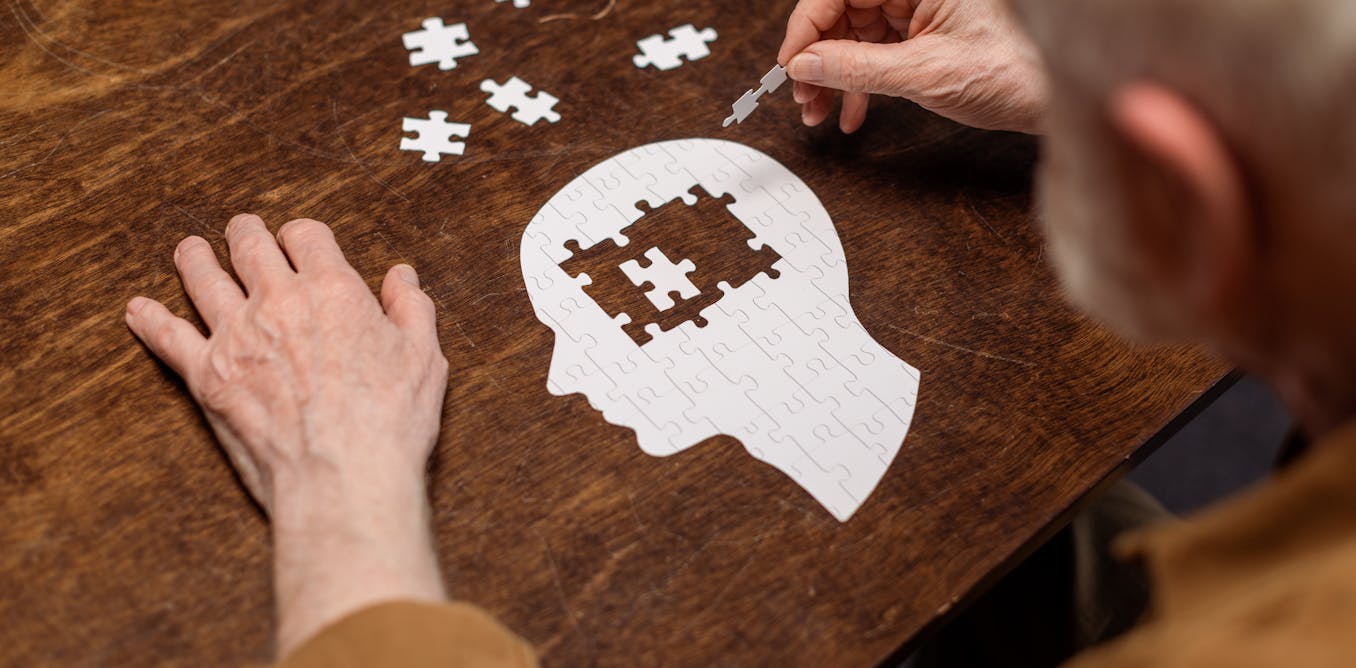
As Cases Soar, ‘Dementia Villages’ Look Like the Future of Home Care (Published 2023)
A new generation of treatment facilities is aiming to integrate dementia patients with the communities around them, blurring lines between home and hospital.

Doctors’ AI scribes get names of drugs and diagnoses wrong, NHS watchdog warns
Exclusive: Patients identify errors in consultation transcripts that are missed by GPs, Healthwatch England finds
How science found a way to help coma patients communicate
The long read: After suffering serious brain injuries, Scott Routley spent 12 years in a vegetative state. But his family were convinced that he was still aware – could a pioneering ‘mind-reading’ technique prove them right?
The Terrorist in the Brain
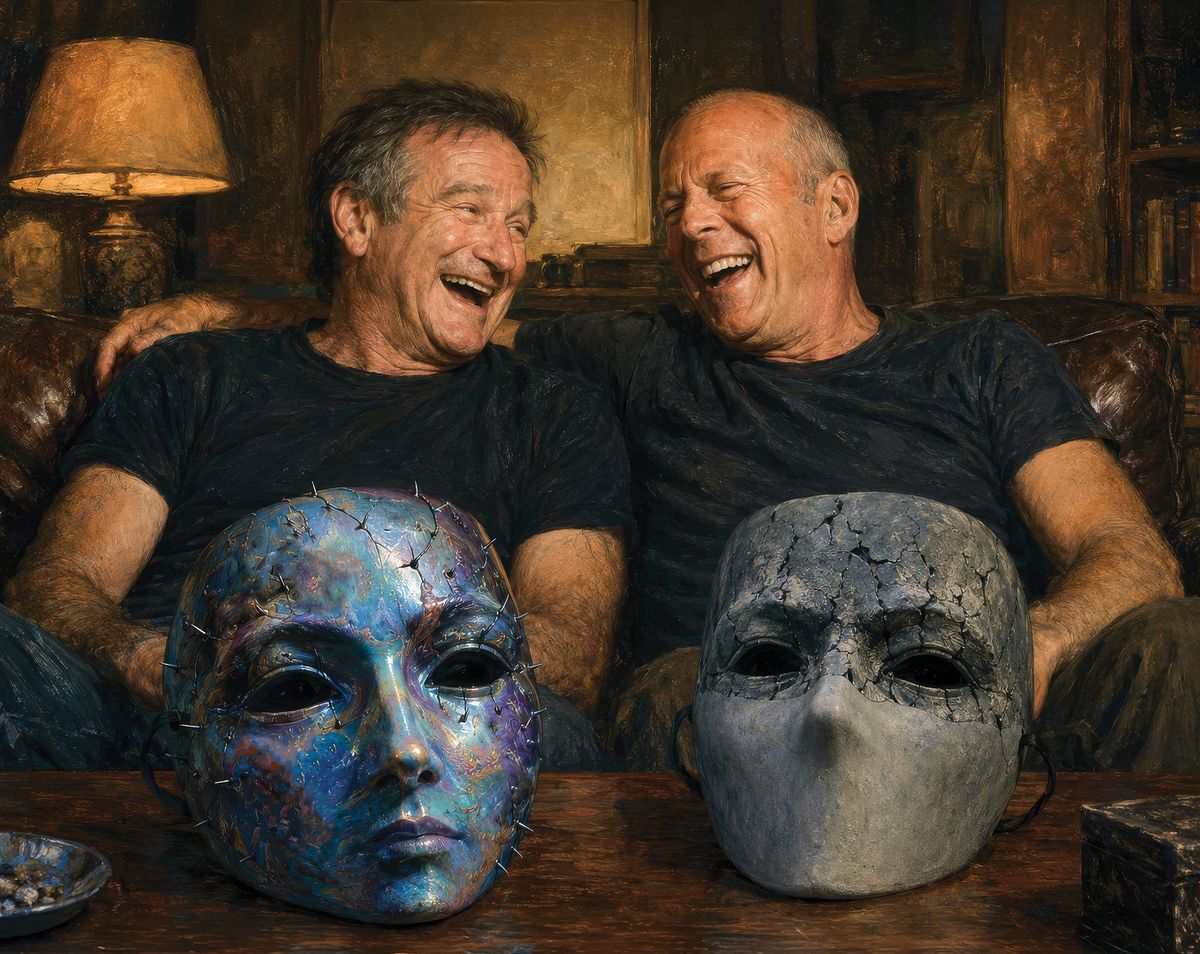
What can Robin Williams and Bruce Willis teach us about dementia? This article explores the complex biological realities of brain diseases, controversies in Alzheimer's research, the risks of new drugs, and the multi-billion-dollar industry exploiting our fear of cognitive decline.
What if Age Is Nothing but a Mind-Set? (Published 2014)
Ellen Langer’s experiments have shown that mental attitudes might reverse some ravages of old age. Now she wants to test that same radical principle on cancer.

The Death Of Expertise
To reject the notion of expertise, and to replace it with a sanctimonious insistence that every person has a right to his or her own opinion, is silly.
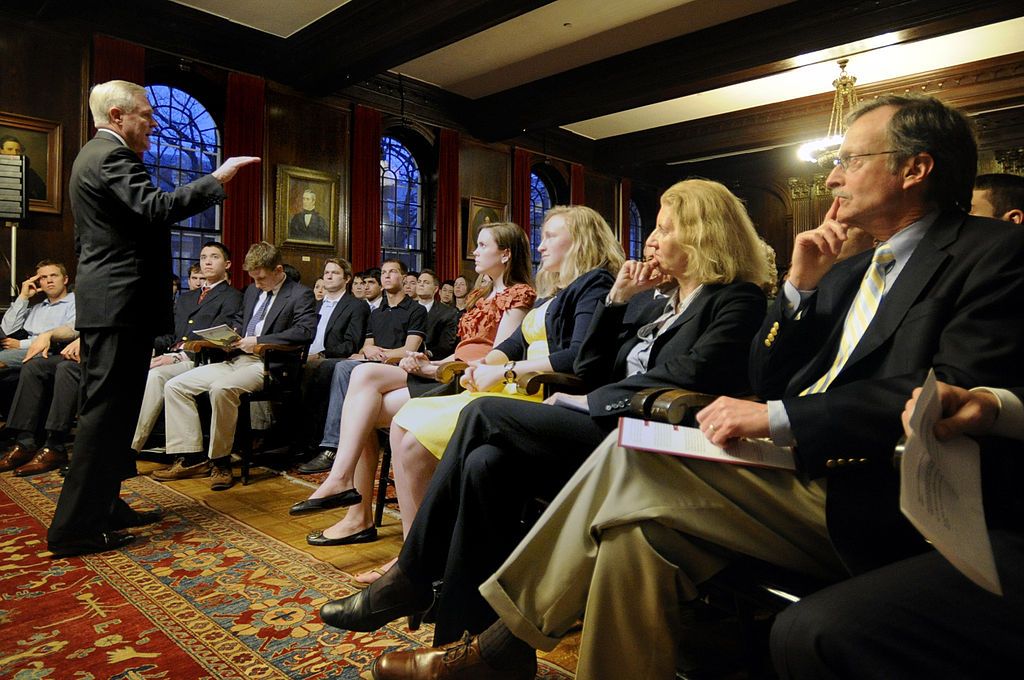
Unconventional But Effective Therapy for Alzheimer's Treatment: Dr. Mary T. Newport at TEDxUSF
Doctor Strange's science consultant talks about consciousness and the multiverse | TechCrunch
https://www.youtube.com/watch?v=nJd0SQjJJ_M Why does Doctor Strange need a science consultant? The Marvel Cinematic Universe isn't exactly known for its

On Doctor Who, The Doctor Is Willing To Play Seriously Crazy Mind Games For Peace
This was another odd episode of Doctor Who, a show which seems to be trying to reinvent itself not through radical change but through stylistic drift.

People Experience 'New Dimensions of Reality' When Dying, Groundbreaking Study Reports - Slashdot
An anonymous reader quotes a report from Motherboard: Scientists have witnessed brain patterns in dying patients that may correlate to commonly reported "near-death" experiences (NDEs) such as lucid visions, out-of-body sensations, a review of one's own life, and other "dimensions of reality," repor...

People are not friction
The Gell-Mann Amnesia Effect of AI is a pretty well documented phenomenon: The Gell-Mann amnesia effect is a cognitive bias describing the tendency of individuals to critically assess media reports in a domain they are knowledgeable about, yet continue to trust reporting in other areas despite recognizing similar potential inaccuracies.
'At 47, I discovered I am autistic – suddenly so many things made sense'
Other people’s lives always seemed more effortless, but it took my daughter’s autism diagnosis to realise why
Question for ethicists: Is an Expression of Concern enough when authors claim to have trained ML to diagnose autism from facial appearance, using a collection of facial images that were scraped from the Intertubes without niceties like "formal diagnosis" or "consent"? pubpeer.com/publications/F138C3793F91B979…
PubPeer - ASD2-TL∗ GTO: Autism spectrum disorders detection via transf...
pubpeer.com