


Virality and network effects are conflated by even experienced Founders, and it keeps them from developing the right strategies and playbooks.
Will agents have network effects?
Agentic viral loops, engagement loops, and walled gardens

Every layer of review makes you 10x slower
We’ve all heard of those network effect laws: the value of a network goes up with the square of the number of members. Or the cost of commun...
The Dark Forest Theory of the Internet
Why the dark forests of the internet — podcasts, newsletters, and other private channels — are growing, and why might that pose a problem
One Response to the Cambridge Analytica Scandal: Block Facebook's
With Facebook in a dominant position in hosting a huge portion of the world’s social conversation, we’ve been worried about the incredible power the company has accumulated and the risks that poses
The Side Effects of an Unfinished Internet
A rambling opinion piece on the internet’s negative side-effects. Why hasn’t it lived up to what we’d expected?
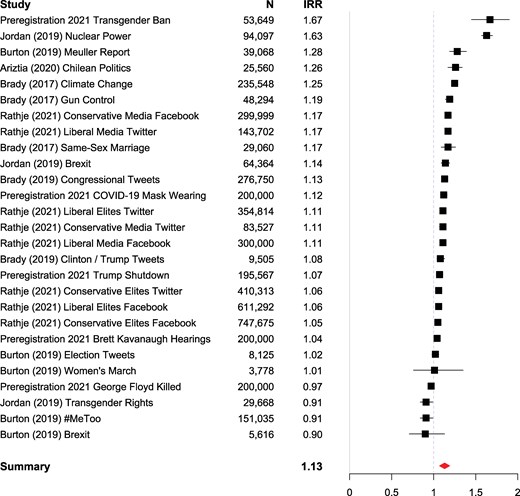
Estimating the effect size of moral contagion in online networks: A pre-registered replication and meta-analysis
Abstract. Over 5 billion people now use social media platforms. As our social lives become increasingly entangled with online social networks, it is import
Your Life is Driven by Network Effects
Revealing the Unseen Forces That Guide Your Life What city you live in. Who you date or marry. Which job you choose. What clothes you wear. We all think we make these choices ourselves. It certainly feels like we’re in full control. But it turns out that our choices — both in our startups and in … Continue reading "Your Life is Driven by Network Effects"

Marc Andreessen as Avatar for Societal Decay
How one venture capitalist represents everything wrong with social media

Media and Social Capital
We survey the empirical literature in economics on the impact of media technologies on social capital. Guided by a simple model of information and collective action, we cover a range of different outcomes related to social capital—from social and political participation to interpersonal trust—in its benign and destructive manifestations. The impact of media technologies hinges on their content (information versus entertainment), their effectiveness in fostering coordination, and the networks they create as well as on individual characteristics and media consumption choices.

Media and Social Capital
We survey the empirical literature in economics on the impact of media technologies on social capital. Guided by a simple model of information and collective action, we cover a range of different outcomes related to social capital—from social and political participation to interpersonal trust—in its benign and destructive manifestations. The impact of media technologies hinges on their content (information versus entertainment), their effectiveness in fostering coordination, and the networks they create as well as on individual characteristics and media consumption choices.
White Paper — the FIRST PERSON NETWORK
Part Seven: The four trust network effects in a two-sided market for trust.
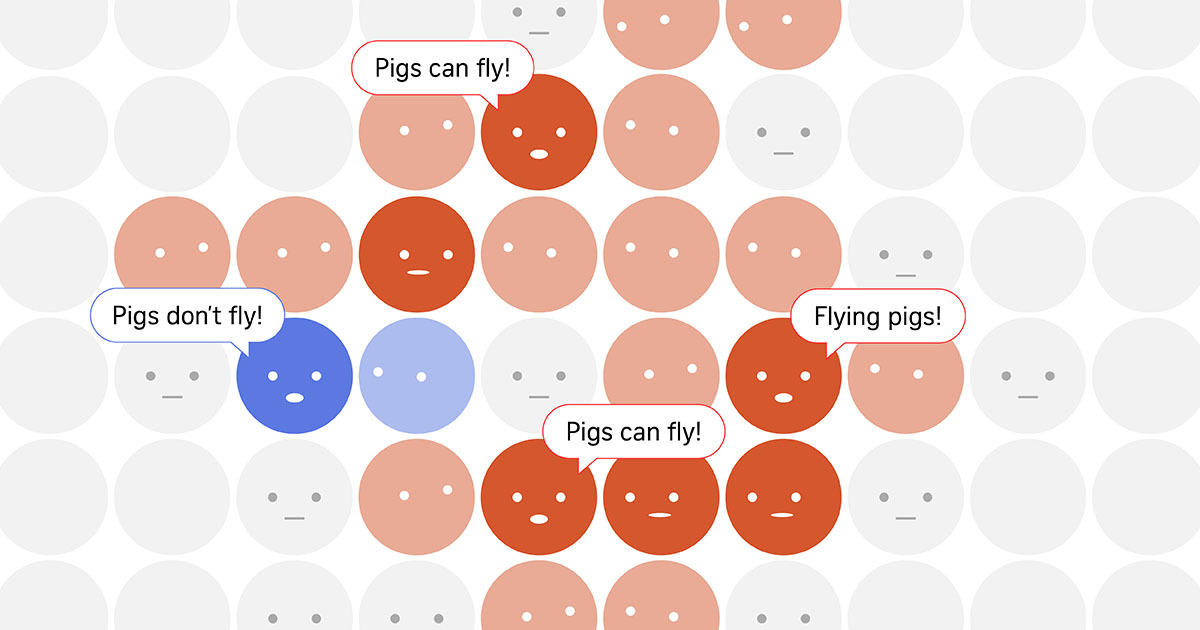
Fake news spreads like an epidemic. Here’s how to stop it.
Researchers study fake news the same way they study the spread of disease. When misinformation “goes viral”, it is not just a metaphor. It is what’s actually happening. via @straits_times str.sg/viz-misinformation
Institute of Network Cultures | Ben Grosser: Planning the Exodus from Platform Realism
Thinking about the current state of platforms, I’m reminded of Mark Fisher’s articulation of capitalist realism, the idea that we don’t imagine or build alternatives to capitalism because we can no longer envision a world without it. Big tech, in a few short years, has managed to instill within the public a similar state of platform realism. So many are unable to imagine how global communication, media, search, etc. could ever function without the platforms. Despite a growing malaise, it’s become difficult for many to consider a world without big tech platforms as a viable conception of the future.

One of the issues that has come up again and again in my reporting on misinformation and social media is the massive influence social media companies have on research in the field. Last night a preprint dropped that tries to get at this with some numbers. My piece in @science.org (and 🧪🧵 coming):

Nearly a third of social media research has undisclosed ties to industry, preprint claims
www.science.org