


"2026 will mark the rise of algorithmic witnessing — a movement that uses AI not to replace journalists, but to extend the reach of the communities they serve."
AI Safety Is a Narrative Problem · Special Issue 5: Grappling With the Generative AI Revolution
This op-ed explores power and narrative dynamics around AI. Drawing on pop-culture references, the professional experiences of the author and examples from 2023’s “Great AI Safety Hype Roadshow,” this piece draws on the literary criticism technique of practical criticism to consider how speeches and announcements from both Silicon Valley executives and research scientists to interrogate the media-friendly nature of p(doom) discourse—which focuses on the existential risks of AI (PauseAI, 2023)—and its likely consequences. The complexities of AI and its numerous social impacts can be difficult for even the most expert analyst to unpack. In spite of this, the potential of “existential threats” has successfully cut through to become a mainstay of mainstream media coverage over the last year. This piece will make the case that this is an effective narrative conceit that has achieved a number of ends that traditional science communication tends to find difficult, if not impossible, to achieve. Firstly, it is easy to understand. Simplification of this nature—that removes jargon and complexity and focuses on a single outcome—is much easier to fit on a TV rolling news ticker or on the cover of a tabloid newspaper than more well-balanced, representative opinions. Secondly, it inherits prior assumptions from well-known dramatic forms. P(doom) plays to stories familiar from Greek tragedy through to Marvel movies, in which lone male heroes battle ineluctable forces. Thirdly, it is imbued with urgency and so becomes difficult to ignore.
The Scaling Era: An Oral History of AI, 2019–2025
An inside view of the AI revolution, from the people and companies making it happen.
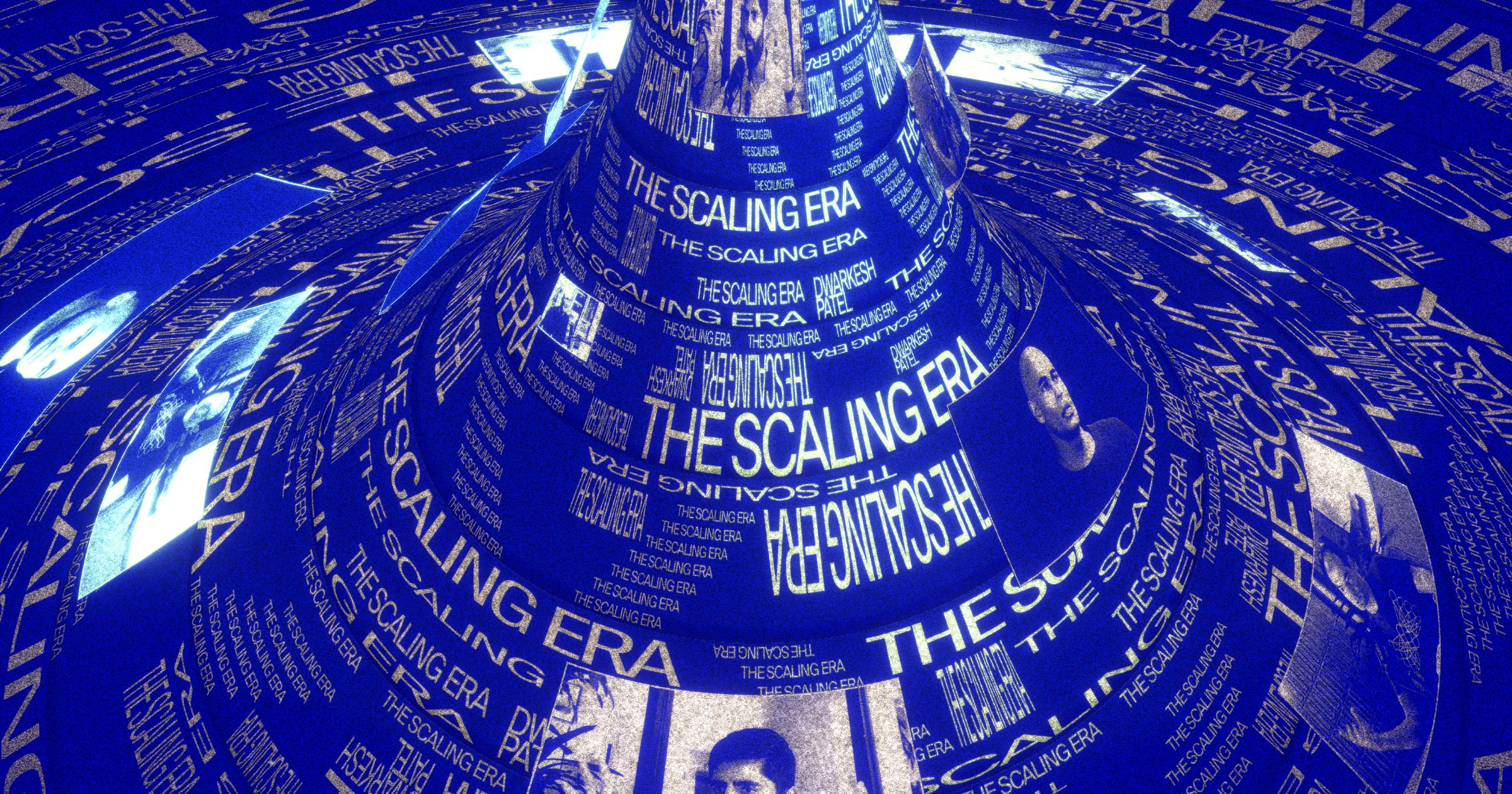
The Scaling Era: An Oral History of AI, 2019–2025
An inside view of the AI revolution, from the people an…

Copy of Digital Masquerade
The Digital Masquerade: Unmasking AI’s Phantom Journalists By Tony Eastin and Sandeep Abraham, CAMS

Refusing to accept an AI-poisoned future of journalism
Humans, however flawed, are
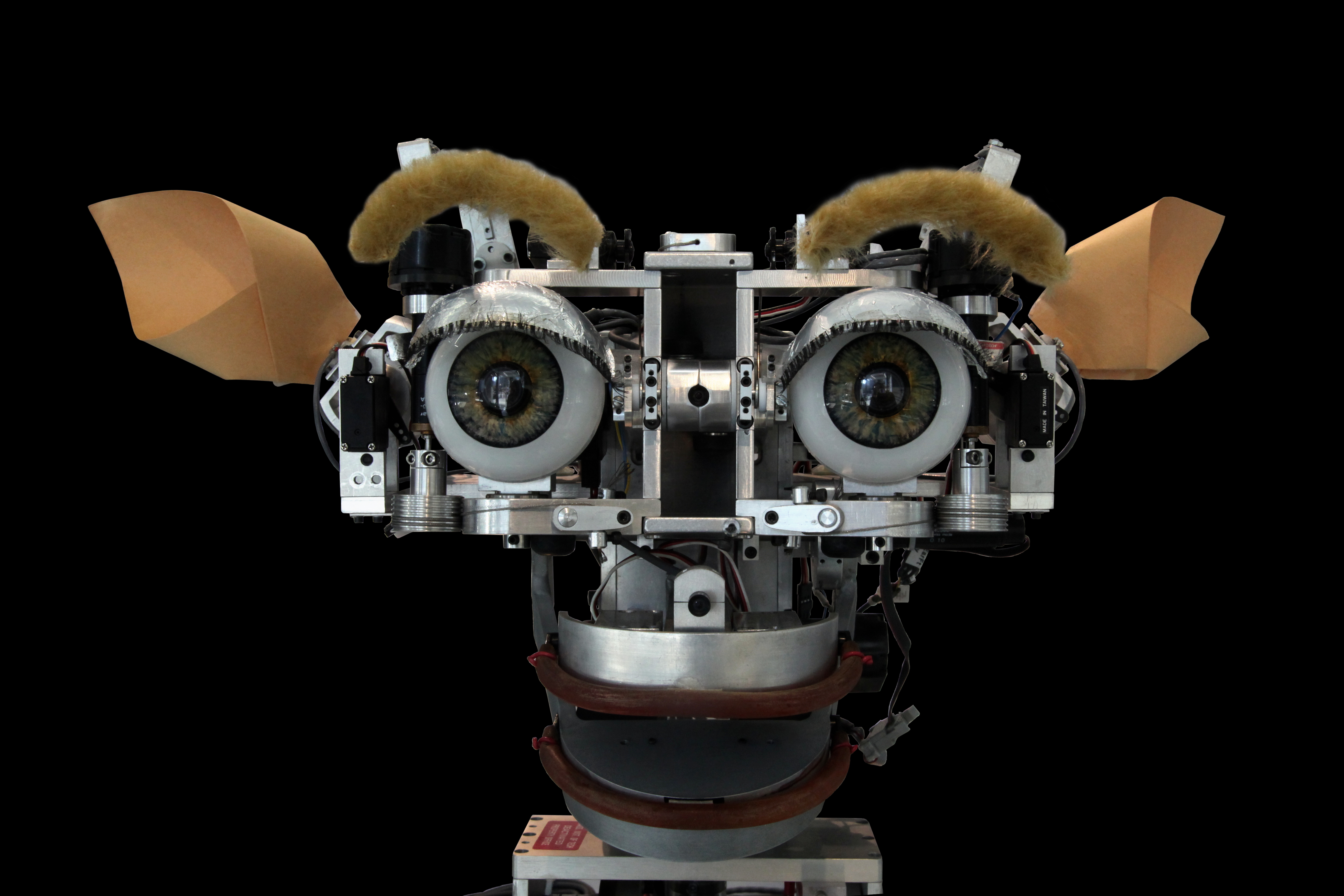
3: Consulting the Record: AI Consistently Fails the Public - AI Now Institute
Amid the excitement over AI’s (speculative, hypothetical) potential, we have lost sight of the sobering reality of its present and recent past. AI is already intermediating critical social infrastructures, materially reshaping our institutions in ways that ratchet up inequality and concentrate power in the hands of the already powerful. It is consistently deployed in ways […]

What the Anthropic fight says about AI regulation
Fables of the deconstruction of American power
The Published Voice: Whose Voice Are We Really Reading? - The Scholarly Kitchen
What happens then to “author voice,” which has always been an important consideration to authors and reviewers alike, if AI is helping researchers with their writing?

Deconstructing the algorithmic sublime
This special theme contextualizes, examines, and ultimately works to dispel the feelings of “sublime”—of awe and terror that overrides rational thought—that much of the contemporary public discourse on algorithms encourages. Employing critical, reflexive, and ethnographic techniques, these authors show that while algorithms can take on a multiplicity of different cultural meanings, they ultimately remain closely connected to the people who define and deploy them, and the institutions and power relations in which they are embedded. Building on a conversation we began at the Algorithms in Culture conference at U.C. Berkeley in December 2016, we collectively study algorithms as culture (Seaver, this special theme), fetish (Thomas et al.), imaginary (Christin), bureaucratic logic (Caplan and boyd), method of governance (Coletta and Kitchin; Lee; Geiger), mode of inquiry (Baumer), and mode of power (Kubler). [Box: see text]

NewsGuild president writes to ProPublica management: Get serious on AI — ProPublica Guild
Artificial intelligence is guaranteed to shake up journalism in varied and unexpected ways. This could be a moment in which experienced journalists leverage a powerful new tool to produce even bigger and better investigations. Or it could be one in which management pivots to yet another new technolo

An AI Upheaval Is Coming for Media. This Journalist Is Already All In.
AI-assisted stories accounted for nearly 20% of Fortune’s web traffic in the second half of 2025. Most are written by Nick Lichtenberg.

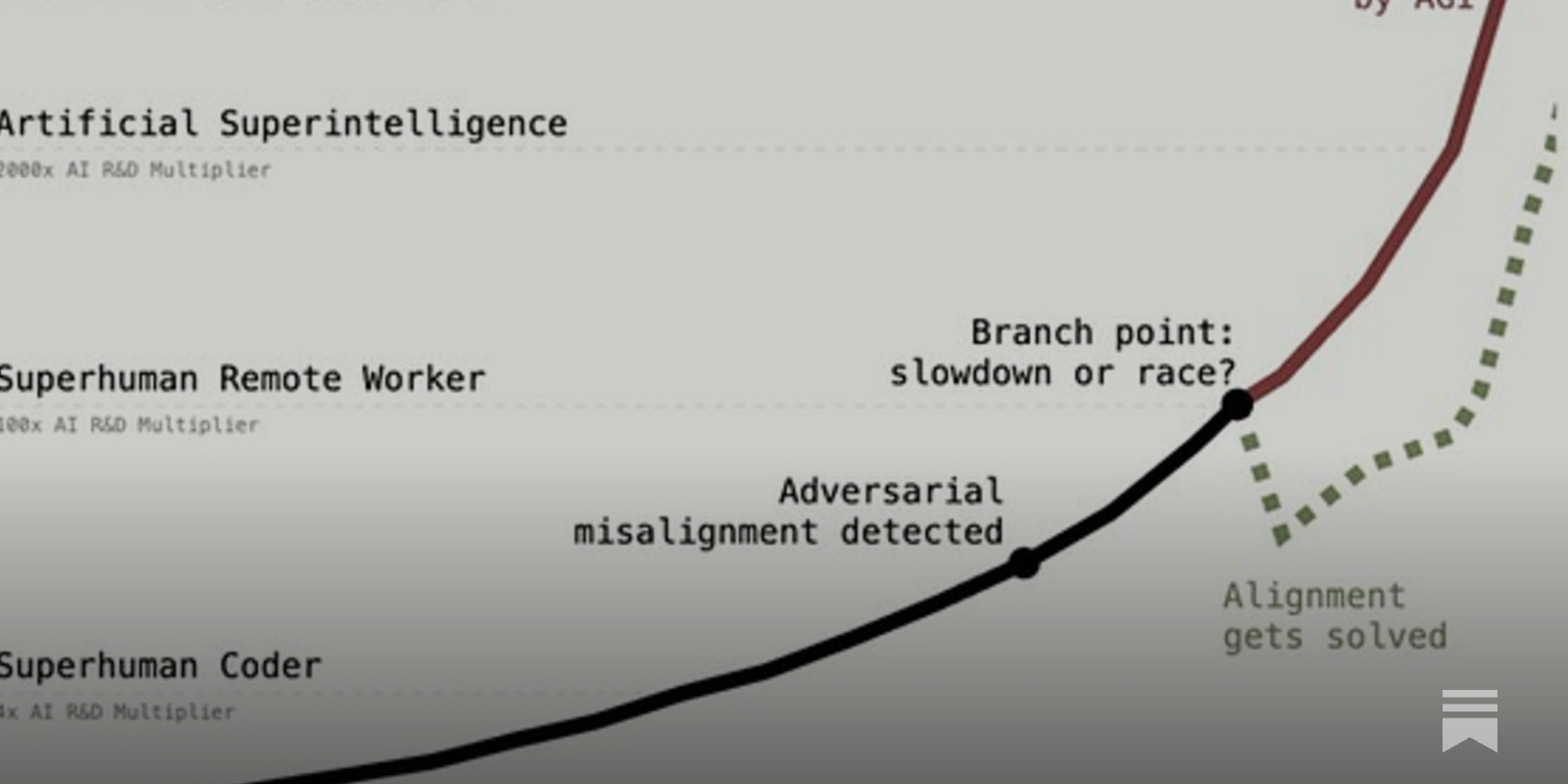
Gradual disempowerment | 80,000 Hours
The proliferation of advanced AI systems may lead to the gradual disempowerment of humanity, even if efforts to prevent them from becoming power-seeking or scheming are successful. Humanity may be incentivised to hand over increasing amounts of control to AIs, giving them power over the economy, politics, culture, and more. Over time, humanity's interests may be sidelined and our control over the future undermined, potentially constituting an existential catastrophe. There's disagreement over how serious a problem this is and how it relates to [other concerns about AI alignment](https://80000hours.o

On the Death of Amazon’s Writing Culture
How AI has turned what was once a superpower into a liability.

Field Theory: AI as Social Science Question, Object & Tool
Uses of advanced artificial intelligence are changing how societies organize labor, govern, produce knowledge, and make meaning. In light of these developments, this essay argues that AI models, tools, and systems pose three interrelated imperatives for social science: they demand renewed attention to social theories of how technology, human experience, and social order are entangled; they require study as objects of inquiry in their own right; and they offer capabilities that may transform—or upend—the practice of social investigation itself. From Weber’s analysis of rationalization to Du Bois’s study of technology and inequality to contemporary scholarship on algorithmic governance, the essay examines what social science distinctively offers: the capacity to historicize the apparently unprecedented, to trace connections across scales, and to center those most affected by technological change. It identifies how algorithmic systems are remaking the distribution of opportunity and risk as a central task of social inquiry and asks what futures social science might help bring into being.