"In 2026, more news organizations will understand that people don’t always want an article. Sometimes they just want clarity."
Changes to the Facebook Algorithm Decreased News Visibility Between 2021-2024
Platforms, especially Facebook, are primary news sources in the US. In its widely criticized "War on News," Meta algorithmically deprioritized news and political content. We use data from 40 news organizations (5,243,302 Facebook posts, 7,875,372,958 user reactions) and 21 non-news pages (396,468 posts; 1,909,088,308 reactions) between January 1, 2016 and February 13, 2025 to examine how these changes influenced news visibility on the platform. Reactions to news declined by 78% between 2021 and 2024 while reactions to non-news pages increased, indicating targeted suppression of news visibility. Low-quality sources were especially suppressed, yet the 2025 end to "War on News" increased user reactions to news, especially low-quality ones. These changes do not reflect decreased news supply, Facebook user base, or interest in news over this period.

You couldn't create a more anti-news internet if you tried
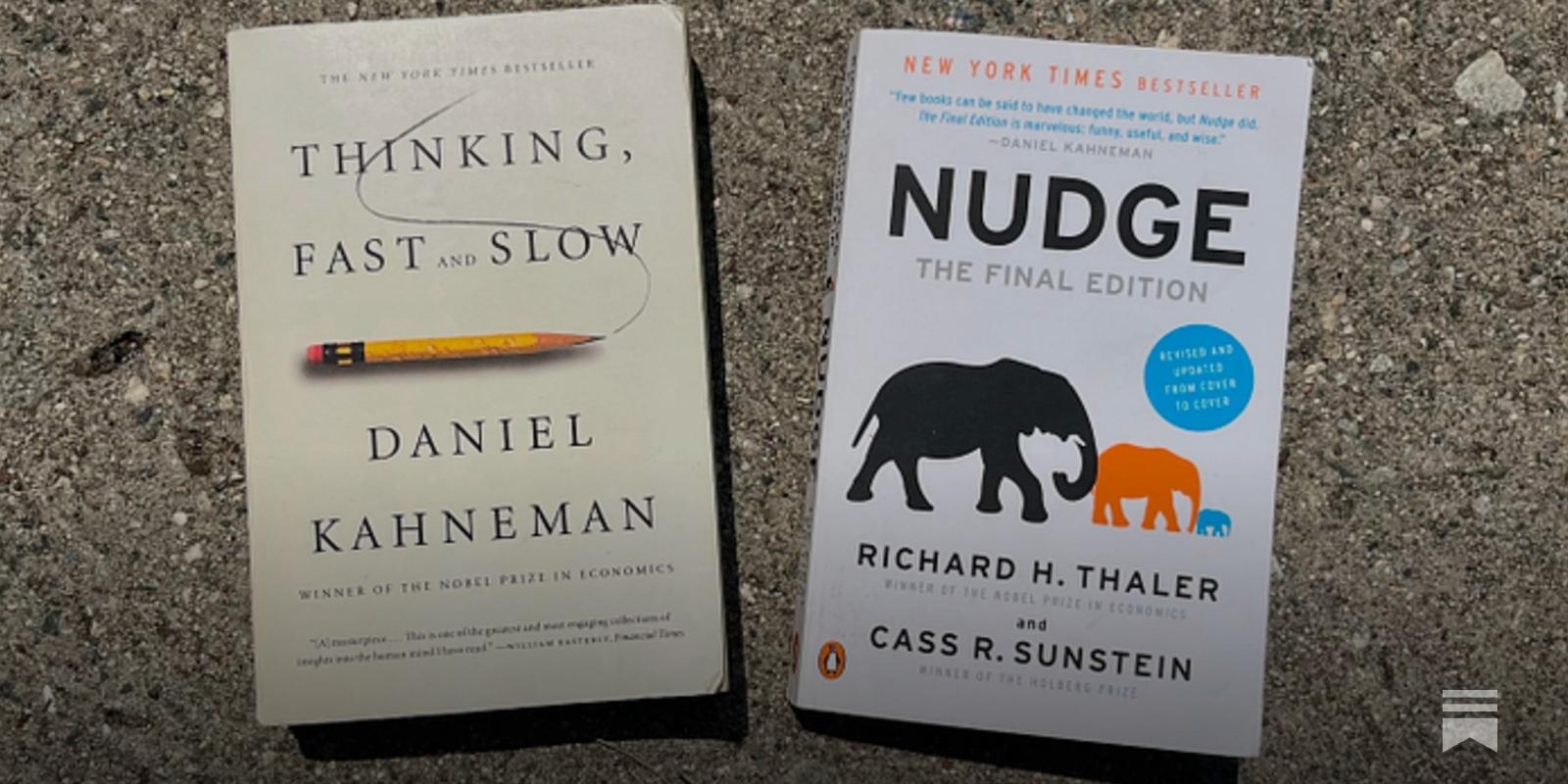
What behavioral economics can add to the story of news decline.
Artificial Intelligence in the News: How AI Retools, Rationalizes, and Reshapes Journalism and the Public Arena
<p>Download the pdf here. Executive Summary Despite growing interest, the effects of AI on the news industry and our information environment — the public arena — remain poorly understood. Insufficient attention has also been paid to the implications of the news industry’s dependence on technology companies for AI. Drawing on 134 interviews with news workers […]</p>

Digital News Report 2026
As the world changes at accelerating speed, news media report and update on these events around the clock, jostling for a share of the four to five hours each day that people devote to their smartphones. For some, this means new opportunities to stay close to news stories as they unfold; for others, it risks creating a sense of overload.

Google News Is Boosting Garbage AI-Generated Articles
404 Media reviewed multiple examples of AI rip-offs making their way into Google News. Google said it doesn't focus on how an article was produced—by an AI or human—opening the way for more AI-generated articles.

Research, Attention, and Manipulation
Questionable articles can quietly move into Wikipedia and news outlets without notice.

A serious problem the news industry does not talk about
Ask anyone working in a newsroom what they think of their audience, and you’ll hear a variety of answers. Over the past couple of years…

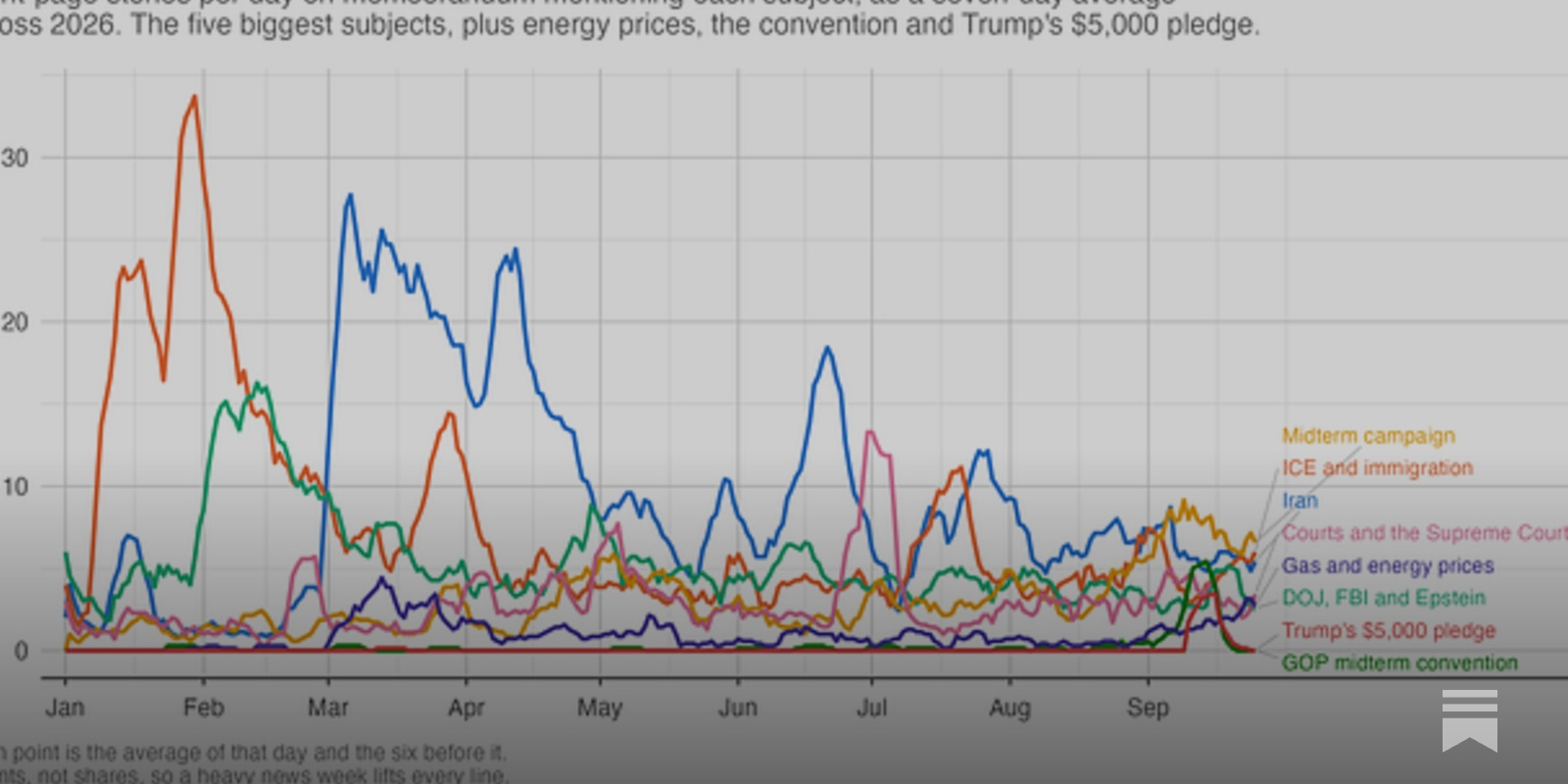
Iran, prices, ICE, and Epstein are the biggest stories of 2026
In a new database of news headlines stretching back to 2016, I show Trump's midterm convention failed to change news agendas
How we decide what news is important, and why that process maybe flawed
Have you ever thought about the type of news that populates on your Facebook feed? Where does it come from and how is it specifically…

The Curious About Everything Newsletter #63
The many interesting things I read in May 2026

The Curious About Everything Newsletter #60
The many interesting things I read in February 2026

Refusing to accept an AI-poisoned future of journalism
Humans, however flawed, are

The Curious About Everything Newsletter #65
The many interesting things I read in July 2026

Push journalism vs. pull journalism
Let's experiment with making news products so relevant that people pull them into their lives

People are getting their news from AI – and it’s altering their views
Even when information is factually accurate, how it’s presented can introduce subtle biases. As large language models increasingly bring people the news, this bias is a looming problem.