

How countries and global organizations are perceived around the world
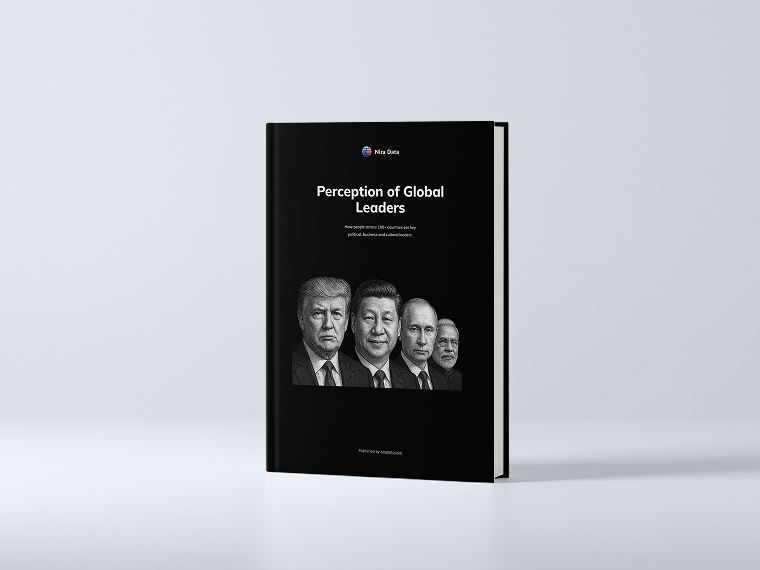
Perception of Global Leaders - Nira Data
Discover global leader rankings, approval ratings, and reputation insights in the 2025 Perception of World Leaders report.
Democracy Tracker | The Global State of Democracy
Each report describes an event that affects the state of democracy in a given country, with assessments made relative to that country's context, not as comparisons or rankings between countries.
World-systems theory
World-systems theory is a multidisciplinary approach to world history and social change which emphasizes the world-system as the primary unit of social analysis. World-systems theorists argue that their theory explains the rise and fall of states, income inequality, social unrest, and imperialism.

Interdependent Thoughts – by Ton Zijlstra
Still, many questions have global aspects. Our information networks, our trade routes, our dependencies are truly global. Because of it many of our issues, including climate emergencies, are global in both their roots and consequences. We all suffer from small earth syndrome these days, as I phrased it in 2010 at the SHiFT Conference, where everything anyone of us does reverberates around the world because we are continuously bumping into real global limits, Club of Rome style.
A fact-based worldview for all | Gapminder
We live in a globalized world, not only in terms of trade and migration. More people than ever care about global development. But most people have severe misconceptions about contemporary global development. We know, because we have tested people’s knowledge. One of the main reasons for this is that students don’t learn to understand the world based on statistics and facts. Instead, we have a dramatic worldview formed by outdated school books and sensationalist news-stories. People intuitively believe that most things are getting worse. The dramatic worldview leads to irrational decisions by individuals, nonprofits, governments and business. For the first time in human history reliable statistics exist. There’s data for almost every aspect of global development. The data shows a very different picture: a world where most things improve; a world that is not divided; and a world where the fast population growth will soon be over. The world has never been less bad. But that doesn’t mean it’s perfect.
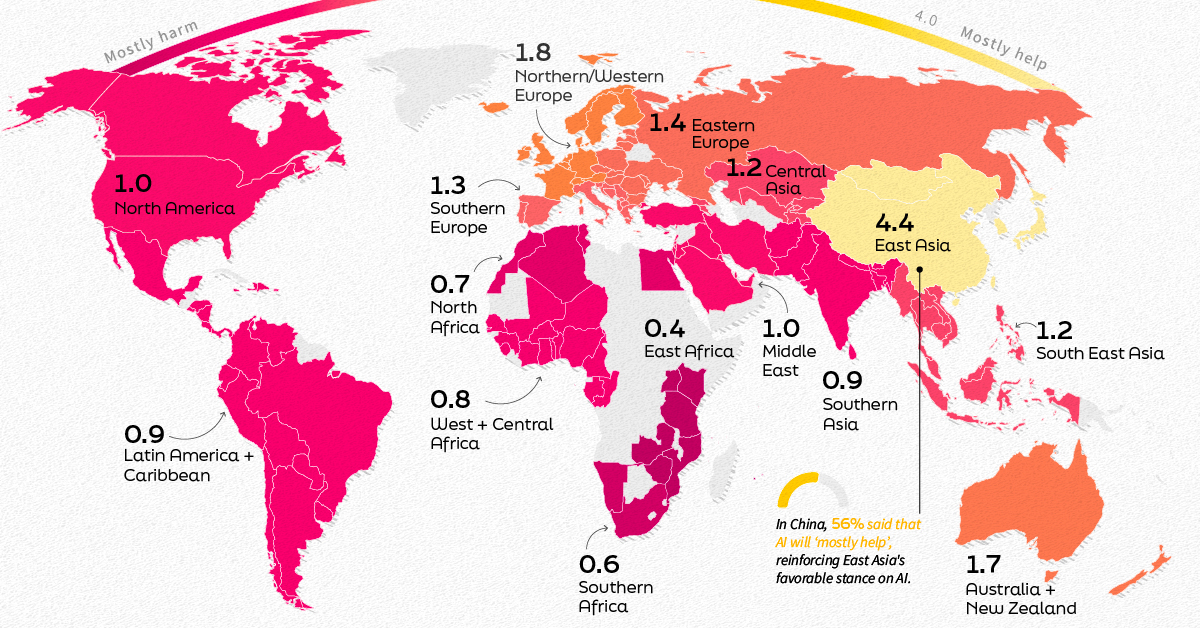
Mapped: Global Sentiment on AI
This infographic shows public perception of AI all over the globe and how this sentiment is affected by where you live.
Government Ratings - Nira Data
Track global public opinion, political sentiment, and trust in government with insights from the 2025 Global Political Opinion Report.
What happens when countries stand up to the superpowers? | Bandung 1955
Decolonising Global Digital Transformation
How WEIRD is CHI?
Computer technology is often designed in technology hubs in Western countries, invariably making it “WEIRD”, because it is based on the intuition, knowledge, and values of people who are Western, Educated, Industrialized, Rich, and Democratic. Developing technology that is universally useful and engaging requires knowledge about members of WEIRD and non-WEIRD societies alike. In other words, it requires us, the CHI community, to generate this knowledge by studying representative participant samples. To find out to what extent CHI participant samples are from Western societies, we analyzed papers published in the CHI proceedings between 2016-2020. Our findings show that 73% of CHI study findings are based on Western participant samples, representing less than 12% of the world’s population. Furthermore, we show that most participant samples at CHI tend to come from industrialized, rich, and democratic countries with generally highly educated populations. Encouragingly, recent years have seen a slight increase in non-Western samples and those that include several countries. We discuss suggestions for further broadening the international representation of CHI participant samples.

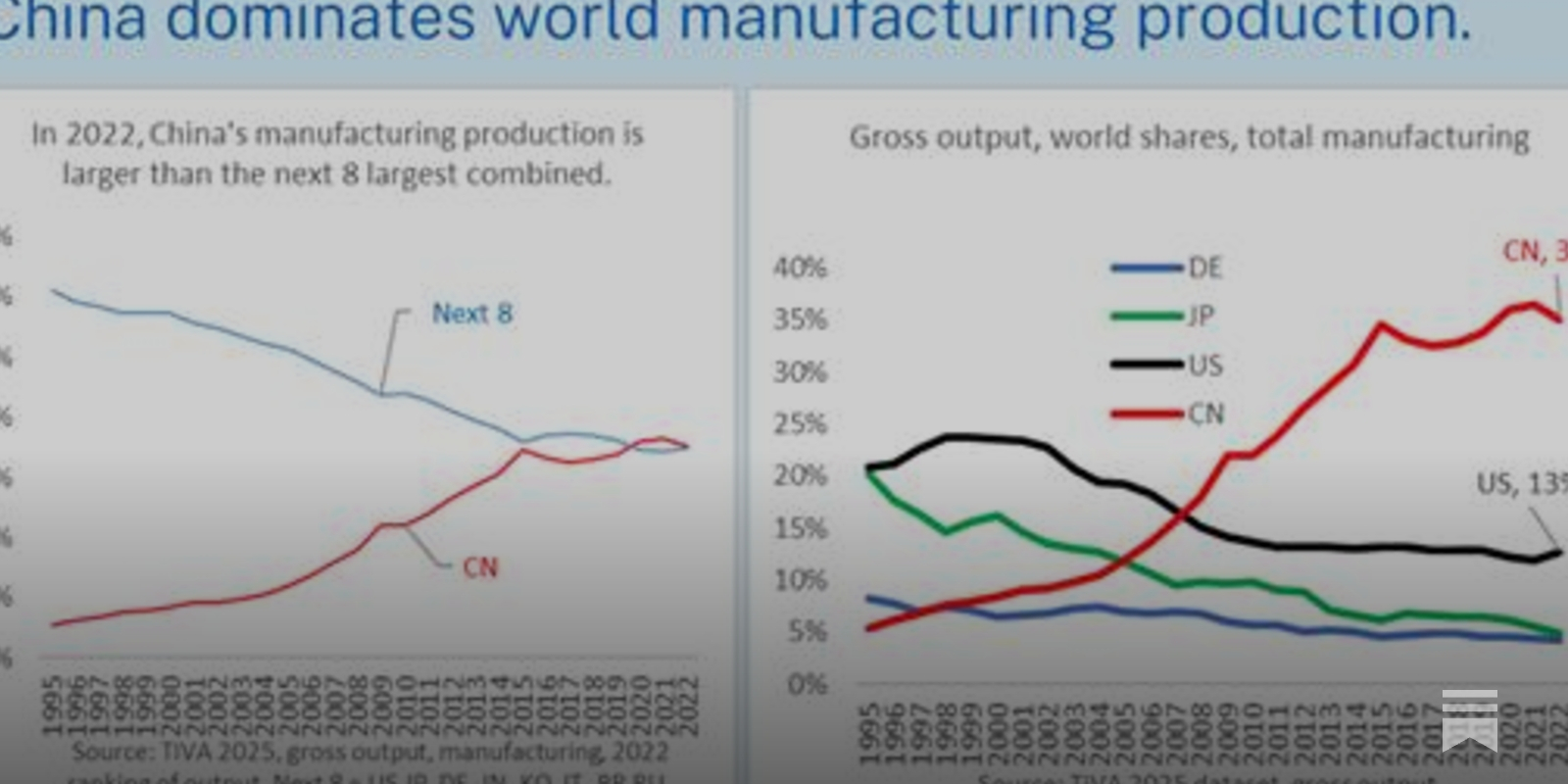
China’s globalisation paradox.
How can China dominate abroad while becoming less export-dependent?
Global Safety Research Center
Gallup's Global Safety Research Center measures countries' progress toward achieving the United Nations' goal for peaceful, secure societies.

International relations has a problem with the future
Then, so does everything else
been a long time coming me formulating my thoughts on the "global profile" discussion in a single place so hereee

Identities, accounts and profiles
nelind.leaflet.pub
