


Mobile-first web designs cause significant usability issues when viewed on desktop. Content becomes overly dispersed across long scrolling pages with expansive white space and enlarged images and fonts, making it difficult for users to consume and understand the information.
Responsive Web Design
Designers have coveted print for its precision layouts, lamenting the varying user contexts on the web that compromise their designs. Ethan Marcotte advocates we shift our design thinking to approp…

Why did the web take over desktop and not mobile?
TLDR: “make the web do apps” is not a disruptive strategy. It's like surviving The Great Oxidation Event, then saying “make anaerobes do photosynthesis”. Ok, but the blue-green algae got there first, so photosynthesis is no longer asymmetric. It is symmetric competition.

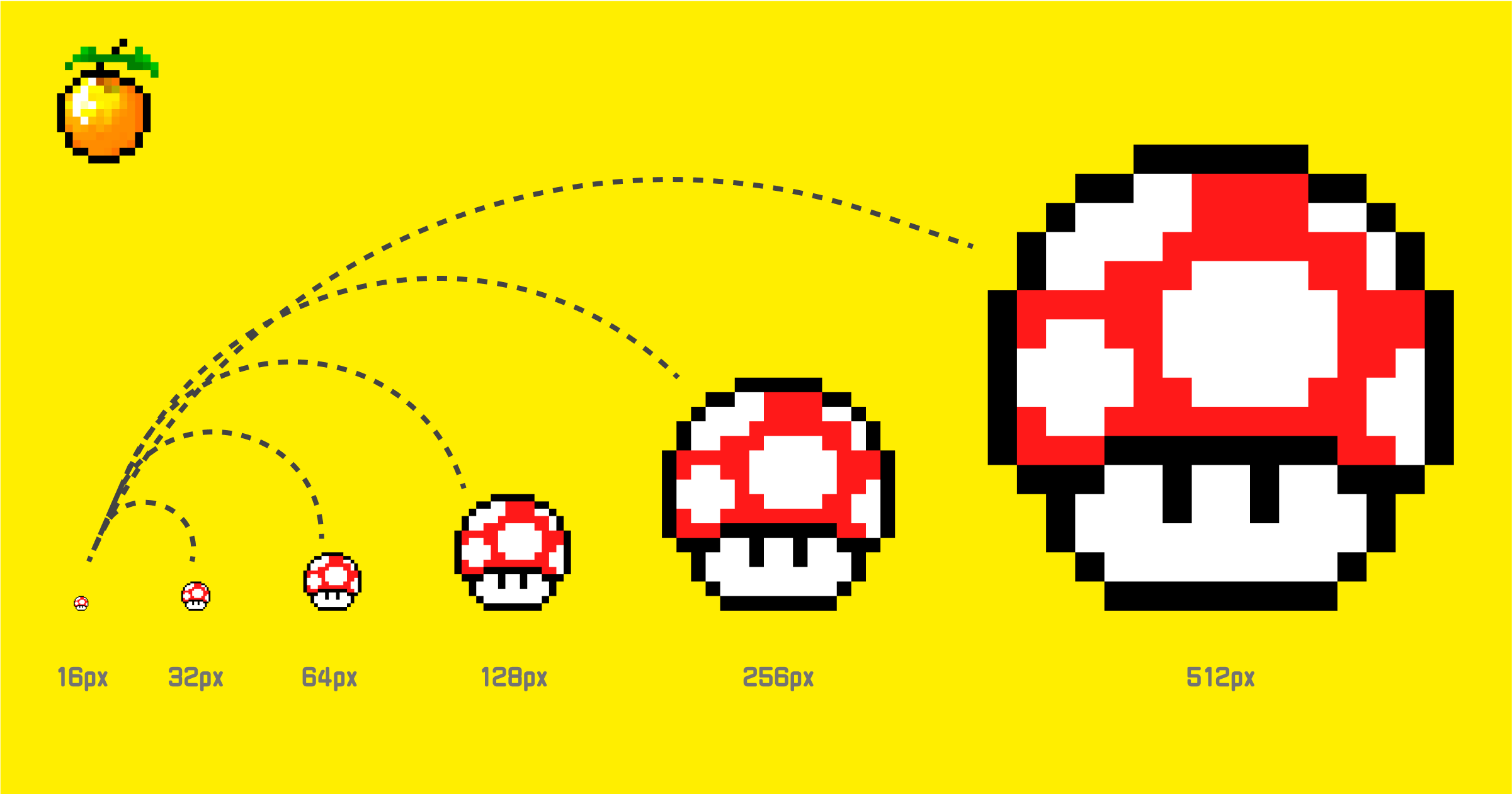
Preserving the Pixel Art Look in Web Content
Learn essential CSS techniques, scaling strategies, and design principles that preserve the crisp, totally-cool aesthetic of pixel graphics across high-resolution displays and responsive web environments.
Our best practices are killing mobile web performance
Web performance rules invented for desktop web access need to be revised for the mobile era.

Making the Jump: How Desktop-Era Frameworks Can Thrive on Mobile
How do tools that grew up on the desktop, like Ember, Angular and React, make the jump to the mobile future?

Browse Fonts - Google Fonts
Making the web more beautiful, fast, and open through great typography

Browsers, not apps, are the future of mobile - The Intercom Blog
Proclamations of an all-native mobile app world ignore the fact that browsers and the web are fast becoming the mobile operating system of the future.
What does it look like for the web to lose?
There is always some degree of tension between “native apps” and “the web” as platforms. If you’re going to write a native app for Android devices, well, I’ll qu…

In Defense of Readers
As web designers, we concern ourselves with how users move from page to page, but forget the needs of those whose purpose is to be still. Learn the design techniques that create a mental space for …

A new app, HyperTexting, turns the open web into a scrollable social media-like feed | TechCrunch
HyperTexting's new app aims to make the open web feel more like social media by turning websites, blogs, newsletters, and podcasts into a scrollable feed, while also making it easier to post to your own website.

A new app, HyperTexting, turns the open web into a scrollable social media-like feed | TechCrunch
HyperTexting's new app aims to make the open web feel more like social media by turning websites, blogs, newsletters, and podcasts into a scrollable feed, while also making it easier to post to your own website.

Desktop Neo – rethinking the desktop interface for productivity.
The desktop computer hasn’t changed much in the last 30 years. It’s still built on windows, folders and mouse input. But we have changed. We now use smartphones and tablets most of the time, since they are much easier to use.The traditional desktop computer is struggling to adapt the simple interfaces of mobile devices while also keeping its focus on productivity. With people switching to mobile devices for mundane tasks, we have the opportunity to rethink the desktop computer with a focus on getting professional work done.
WebHaptics – Haptic feedback for the mobile web.
Haptic feedback for the mobile web.
Evolving the infinite canvas
In the digital world, especially on the web, we’re used to things being stacked vertically. Scrolling, scrolling, through boxes of content,
I see talk on here about the public being "platform brained", and a lot of that in my experience comes down to impatience. It's what you see when mainstream apps change layout. People have expectations about how apps are supposed to work, and learning something else is an imposed waste of effort.

jordan silver 🔵
My take on the "explaining atproto" discourse is that all the UX/filesystem/etc metaphors are still very verbose and that you can explain the same idea in a lot less words: It separates data from apps, so any app can use data from any other app. That fits in a tweet, with other sentences around it.
