Even the Davos elites are reading the tea leaves.
The Origin and Future of Economic Inequality
Is Inequality Inevitable?
Wealth naturally trickles up in free-market economies, model suggests
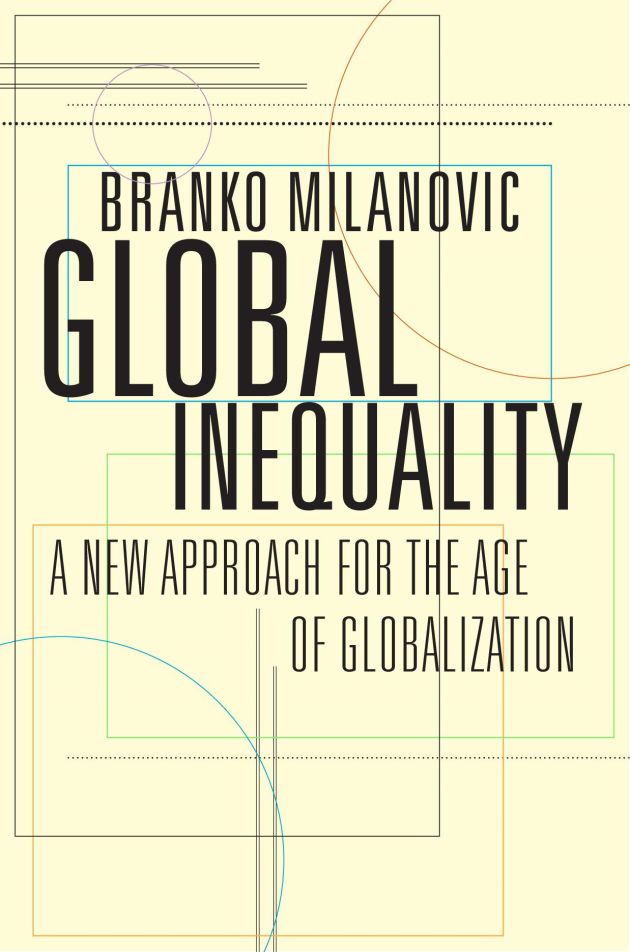
Global Inequality — Harvard University Press
Winner of the Bruno Kreisky Prize, Karl Renner InstitutA Financial Times Best Economics Book of the Year An Economist Best Book of the Year A Livemint Best Book of the YearOne of the world’s leading economists of inequality, Branko Milanovic presents a bold new account of the dynamics that drive inequality on a global scale. Drawing on vast data sets and cutting-edge research, he explains the benign and malign forces that make inequality rise and fall within and among nations. He also reveals who has been helped the most by globalization, who has been held back, and what policies might tilt the balance toward economic justice.“The data [Milanovic] provides offer a clearer picture of great economic puzzles, and his bold theorizing chips away at tired economic orthodoxies.”—The Economist“Milanovic has written an outstanding book…Informative, wide-ranging, scholarly, imaginative and commendably brief. As you would expect from one of the world’s leading experts on this topic, Milanovic has added significantly to important recent works by Thomas Piketty, Anthony Atkinson and François Bourguignon…Ever-rising inequality looks a highly unlikely combination with any genuine democracy. It is to the credit of Milanovic’s book that it brings out these dangers so clearly, along with the important global successes of the past few decades.—Martin Wolf, Financial Times
Thomas Piketty Knew This Was Coming
The scholar of inequality warned us that our economic systems couldn’t withstand a global catastrophe.

Correlates of the Mamdani Vote
No class gradient is a big win for democratic socialism
The Divide — Jason Hickel
The Divide: A Brief Guide to Global Inequality and its Solutions Penguin Random House UK, 2017

Power Laws, Weblogs, and Inequality - Clay Shirky
Diversity plus freedom of choice creates inequality.
Meritocracy: the great delusion that ingrains inequality | Jo Littler
From Theresa May to Donald Trump, our leaders sell it as a utopian system of fairness – but ‘merit’ has been manipulated to privilege the wealthy

New Capitalism II: Compositional vs income inequality
Are all class-based societies unequal?
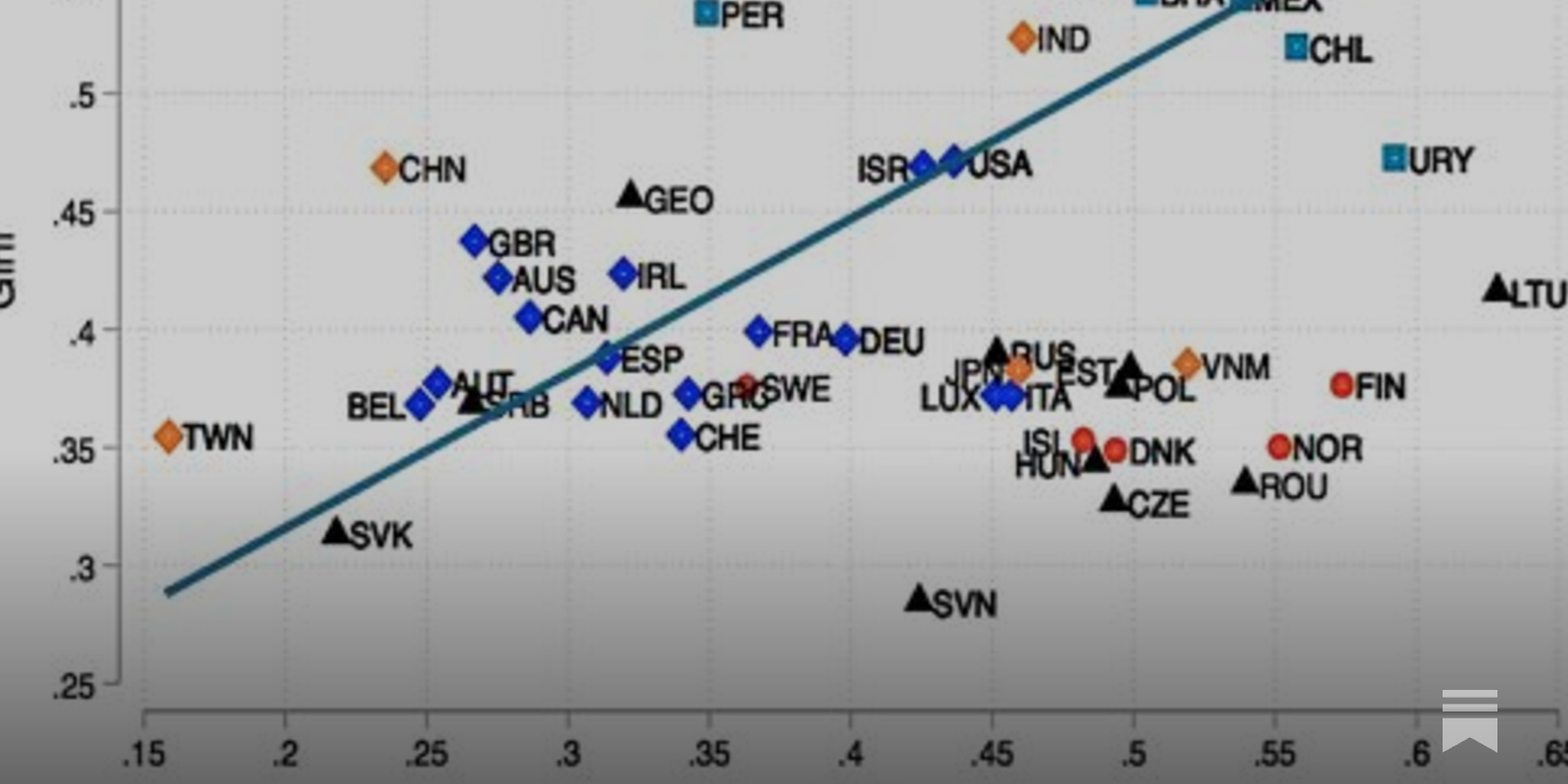
Economic Inequality
How is inequality measured, who produces key databases, and what does the data tell us?
Economic Inequality
How is inequality measured, who produces key databases, and what does the data tell us?
Les inégalités aux Etats-Unis (2/5) : l'importance du pouvoir des travailleurs
traduction française du billet de blog "The importance of worker power. Understanding inequality: Part II" de Paul Krugman

Why The Rich Think The Poor Are Lazy
The MAGA power struggle that could decide the fate of Anthropic
It may not be easy for Anthropic to escape the Trump export ban.
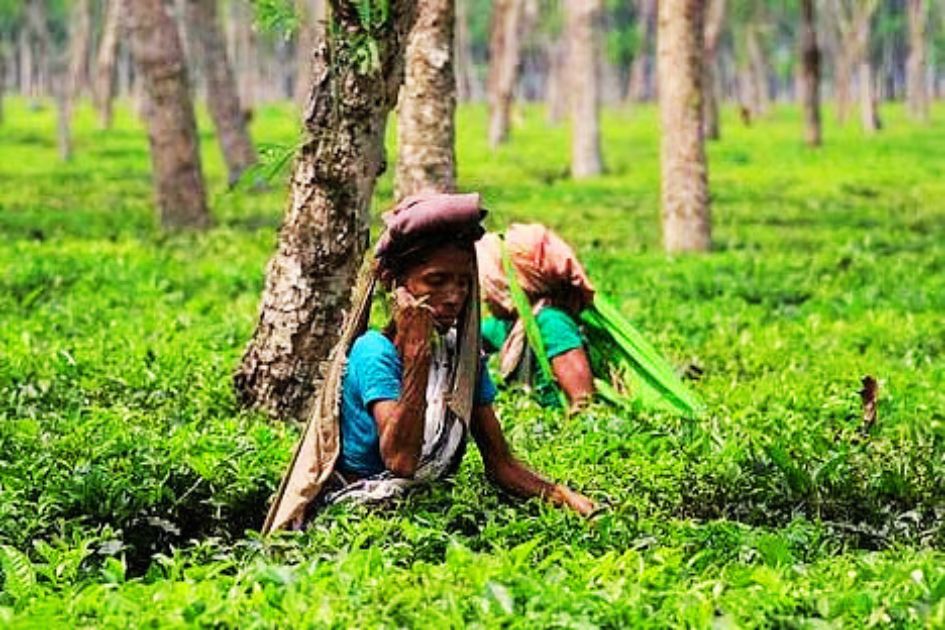
Colonial scars still shape Bangladesh tea workers’ struggle for rights
Bangladesh tea workers renew wage, union and land demands amid colonial-era labour legacies.
Capitalism Without Humans
As new technologies (not immigrants) replace human labor, "machine breaking" as a tactic of rebellion is taking on a renewed vitality.