

“The price of individualism has proved to be the loss of privacy.”
What Does Privacy Really Mean Under Surveillance Capitalism?
They are watching us. They know I’m writing these words. They know you are reading them. Governments and hundreds of corporations are spying on you and me, and everyone we know. Every minute of eve…

How to Destroy ‘Surveillance Capitalism’
Surveillance capitalism is just capitalism — with surveillance. Here’s how to beat it.
Why Privacy Matters Even if You Have ‘Nothing to Hide’
What’s the problem with ubiquitous surveillance? Don’t think Orwell; think Kafka.
Why Privacy Matters Even if You Have ‘Nothing to Hide’
What’s the problem with ubiquitous surveillance? Don’t think Orwell; think Kafka.
Shoshana Zuboff: Secrets of Surveillance Capitalism
Governmental control is nothing compared to what Google is up to. The company is creating a wholly new genus of capitalism, a systemic coherent new logic of accumulation we should call surveillance capitalism. Is there nothing we can do?surveillance capitalism
Shoshana Zuboff: Secrets of Surveillance Capitalism
Governmental control is nothing compared to what Google is up to. The company is creating a wholly new genus of capitalism, a systemic coherent new logic of accumulation we should call surveillance capitalism. Is there nothing we can do?surveillance capitalism
Escaping surveillance capitalism, at scale
Self-hosting and paid subscriptions promise an escape from surveillance capitalism. What guarantees do they really offer, and at what cost?

Vigilantism comes for Flock
More Americans than ever are destroying Flock license plate cameras amid rising backlash against the company. Is the tide turning on intrusive U.S. mass surveillance, and where does the privacy fight go next?

The Internet is a surveillance state | CNN
Bruce Schneier says our surveillance state is efficient beyond the wildest dreams of George Orwell, and consumers are given little chance to opt out

Tidying Up When We Have No Control over Our Digital Lives
Never-ending notifications. Pull-to-refresh rewards. There's no escape from surveillance capitalism.

You Really Do Have Some Expectation of Privacy in Public
When we spend time fighting the growing ubiquity of both public and private surveillance cameras we often hear a familiar refrain: “you don’t have an expectation of privacy in public.” This is not

We Need A Massive Surveillance Program (Idle Words)
I am a privacy activist who has been riding a variety of high horses about the dangers of permanent, ubiquitous data collection since 2012.
Thieves of Experience: How Google and Facebook Corrupted Capitalism | Los Angeles Review of Books
Whatever its imperfections, Shoshana Zuboff's "The Age of Surveillance Capitalism" is an original and brilliant work, and it arrives at a crucial moment.

Opinion | Surveillance: A Threat to Democracy (Published 2013)
Security can be achieved by less-intrusive or sweeping means, without trampling on democratic freedoms and basic rights.

State Capacity of Secret Surveillance
The state capacity-civil society tradeoff model tends to treat the “state” and “civil society” as separate entities who move to constrain one another. However, this modeling technique leaves out the nuances of individual action within a collective setting by treating each as a relative black box. This article explores this balance in the context of the surveillance state that has arisen in the 20th and 21st century. As state capacity in surveillance increases it better allows the state to respond to threats to citizens from citizens. However, the increased capacity also lessens the ability of societal pressure to check authoritarian advances even in a nation with a thriving civil society presence.
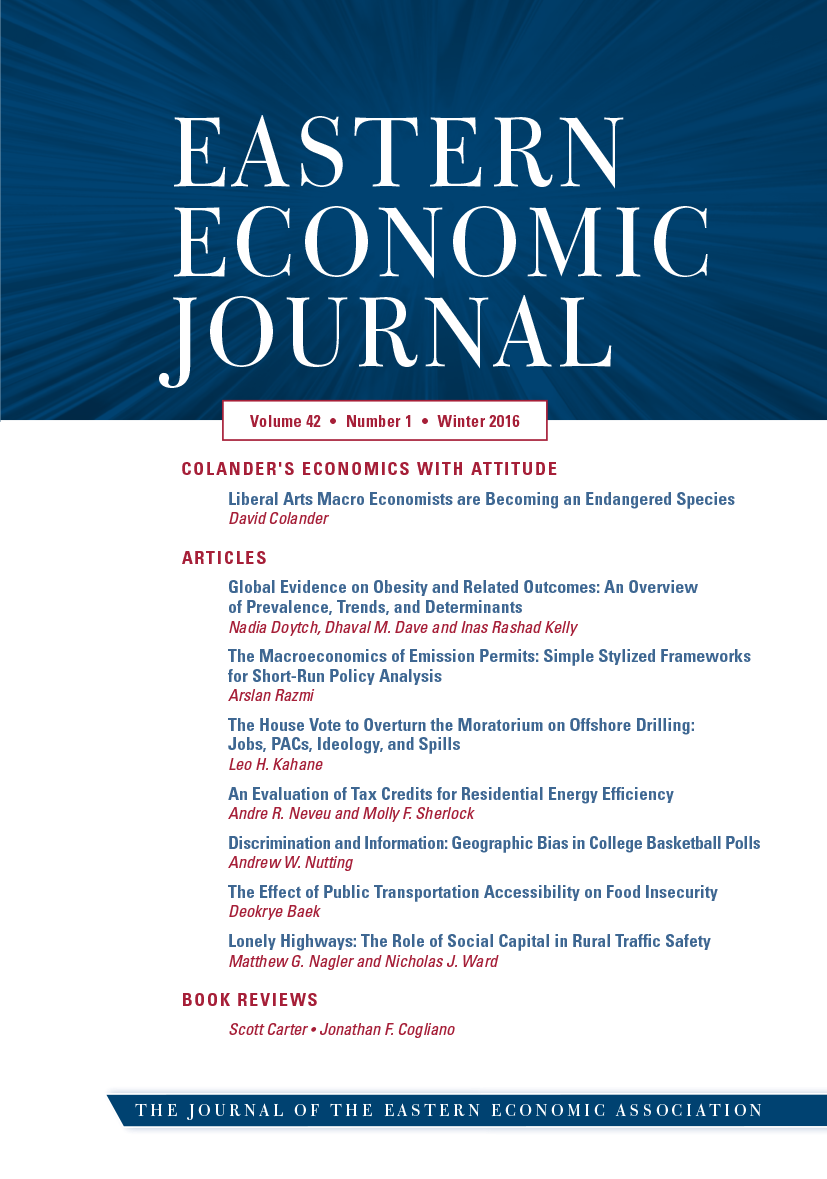
State Capacity of Secret Surveillance
The state capacity-civil society tradeoff model tends to treat the “state” and “civil society” as separate entities who move to constrain one another. However, this modeling technique leaves out the nuances of individual action within a collective setting by treating each as a relative black box. This article explores this balance in the context of the surveillance state that has arisen in the 20th and 21st century. As state capacity in surveillance increases it better allows the state to respond to threats to citizens from citizens. However, the increased capacity also lessens the ability of societal pressure to check authoritarian advances even in a nation with a thriving civil society presence.