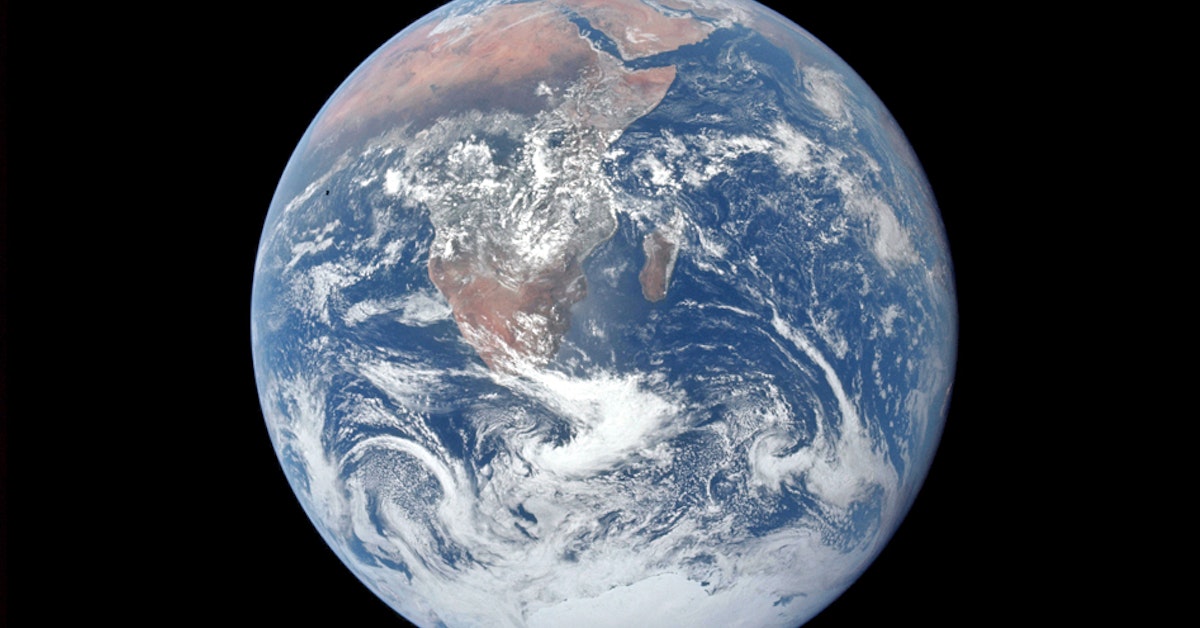
There is no escaping an interconnected world.
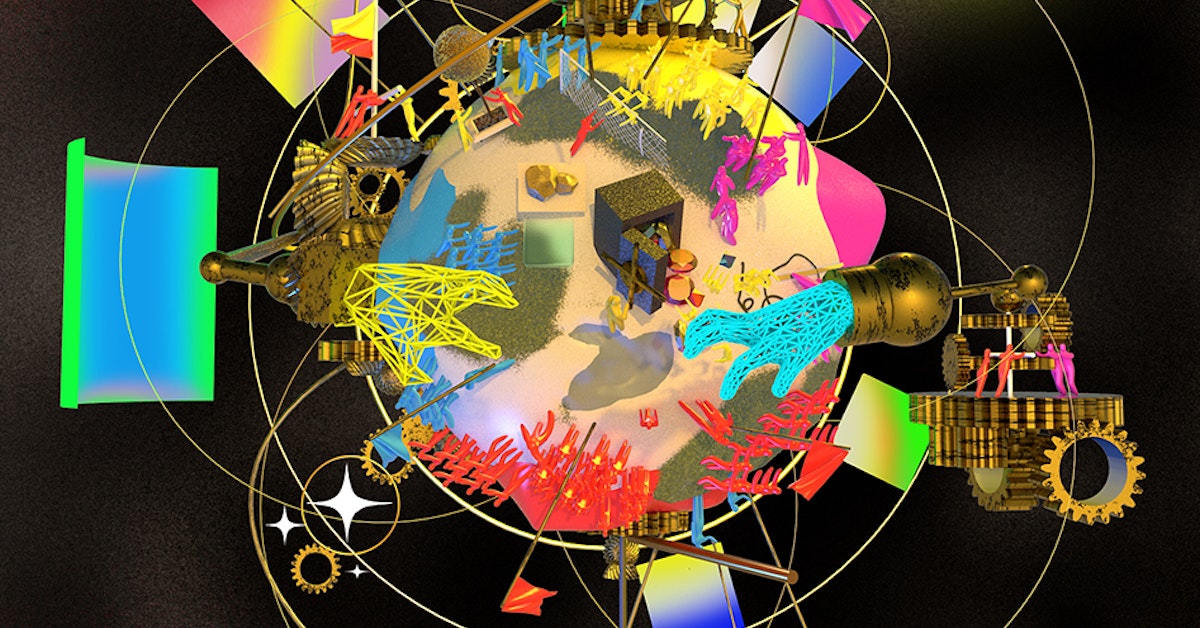
The New Planetary Nationalism
The realization of human embeddedness in Earth’s natural systems does not inevitably create a cosmopolitan politics oriented toward universal well-being.
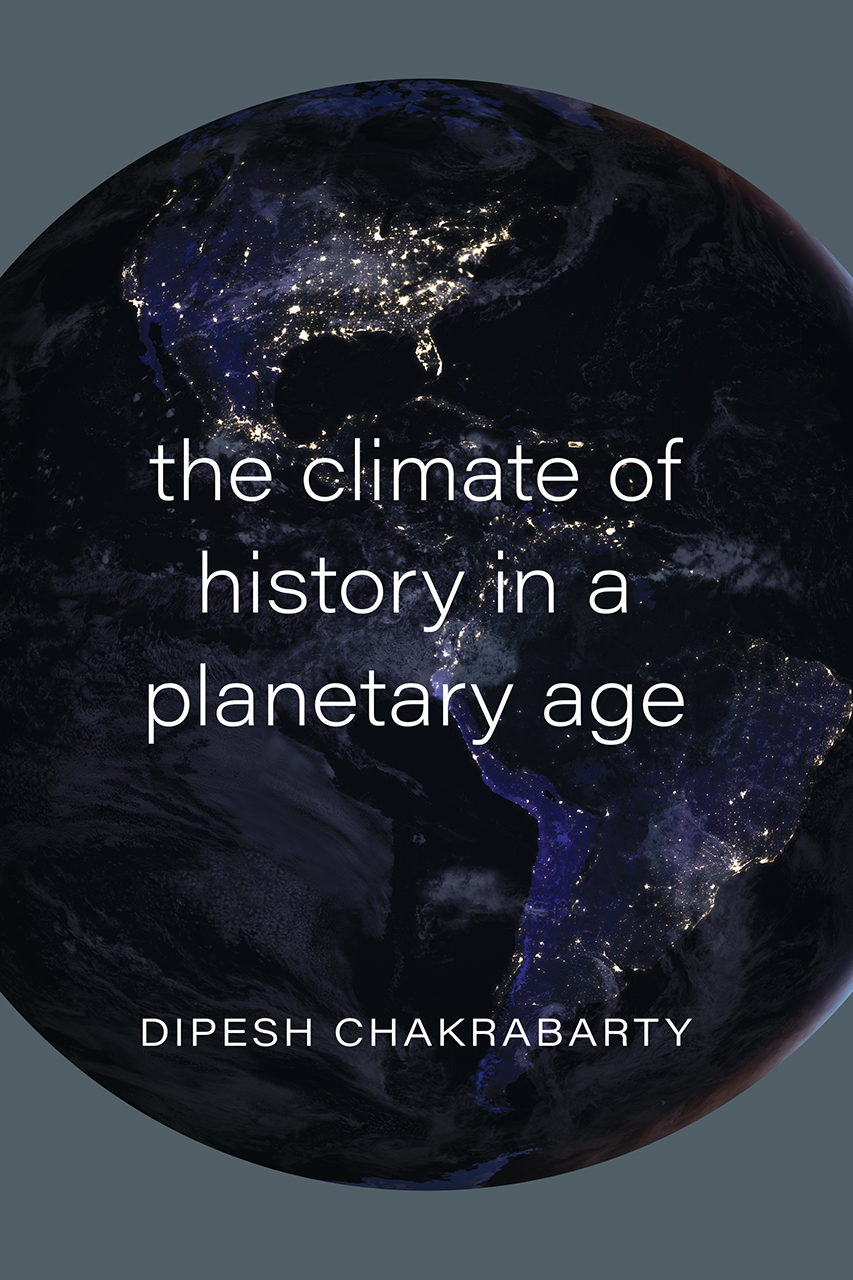
The Climate of History in a Planetary Age
For the past decade, historian Dipesh Chakrabarty has been one of the most influential scholars addressing the meaning of climate change. Climate change, he argues, upends long-standing ideas of history, modernity, and globalization. The burden of The Climate of History in a Planetary Age is to grapple with what this means and to confront humanities scholars with ideas they have been reluctant to reconsider—from the changed nature of human agency to a new acceptance of universals. Chakrabarty argues that we must see ourselves from two perspectives at once: the planetary and the global. This distinction is central to Chakrabarty’s work—the globe is a human-centric construction, while a planetary perspective intentionally decenters the human. Featuring wide-ranging excursions into historical and philosophical literatures, The Climate of History in a Planetary Age boldly considers how to frame the human condition in troubled times. As we open ourselves to the implications of the Anthropocene, few writers are as likely as Chakrabarty to shape our understanding of the best way forward.
Intelligence as a planetary scale process
Conventionally, intelligence is seen as a property of individuals. However, it is also known to be a property of collectives. Here, we broaden the idea of intelligence as a collective property and extend it to the planetary scale. We consider the ways in which the appearance of technological intelligence may represent a kind of planetary scale transition, and thus might be seen not as something which happens on a planet but to a planet, much as some models propose the origin of life itself was a planetary phenomenon. Our approach follows the recognition among researchers that the correct scale to understand key aspects of life and its evolution is planetary, as opposed to the more traditional focus on individual species. We explore ways in which the concept may prove useful for three distinct domains: Earth Systems and Exoplanet studies; Anthropocene and Sustainability studies; and the study of Technosignatures and the Search for Extraterrestrial Intelligence (SETI). We argue that explorations of planetary intelligence, defined as the acquisition and application of collective knowledge operating at a planetary scale and integrated into the function of coupled planetary systems, can prove a useful framework for understanding possible paths of the long-term evolution of inhabited planets including future trajectories for life on Earth and predicting features of intelligentially steered planetary evolution on other worlds.
AGENTWORLD | *
An exploration of planetary intelligence, tracing how computation and cosmology—from ancient mechanisms to AI—reshape Earth and its possible futures.

The Standpoint of Heimatlosigskeit and the Planet
Since the launch of Sputnik in 1957, it has become impossible to comprehend the world solely through the lens of Hegel’s Berlin or Kojève’s Paris—even as nation-states continue to wrestle with their growing obsolescence. The planetary condition of human existence has also intensified a form of nihilism rooted in modernity: geographically through globalization, and cosmically through thermodynamics. If, in the twentieth century, reactionary politics sought to “overcome modernity” by returning to a notion of homeland (Heimat), the twenty-first century calls for a renewed framework—one that begins, perhaps, from the standpoint of Heimatlosigkeit.

The Standpoint of Heimatlosigskeit and the Planet
Since the launch of Sputnik in 1957, it has become impossible to comprehend the world solely through the lens of Hegel’s Berlin or Kojève’s Paris—even as nation-states continue to wrestle with their growing obsolescence. The planetary condition of human existence has also intensified a form of nihilism rooted in modernity: geographically through globalization, and cosmically through thermodynamics. If, in the twentieth century, reactionary politics sought to “overcome modernity” by returning to a notion of homeland (Heimat), the twenty-first century calls for a renewed framework—one that begins, perhaps, from the standpoint of Heimatlosigkeit.
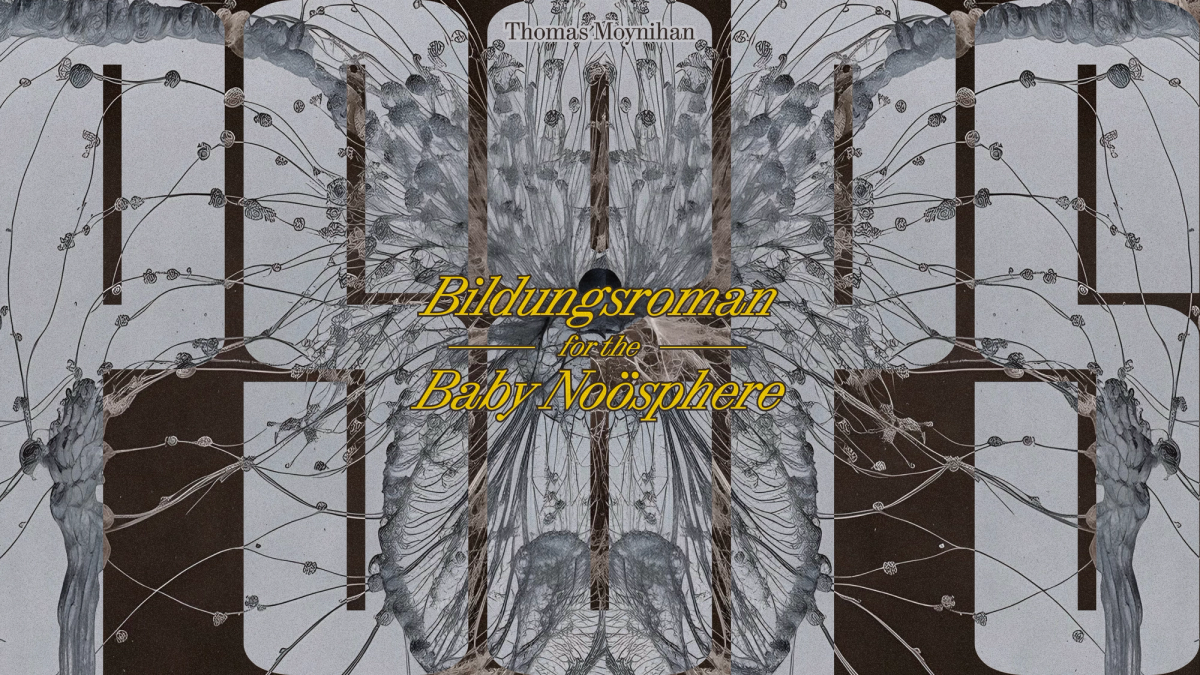
Planetary Sapience & Planetary Stupidity: a Bildungsroman for the Baby Noosphere | Antikythera
That is, the faculty of recollection and foresight? Until recently, I would argue, our planet was amnesiac. That is, no part of it was reflectively aware of the place of the present relative to the established past nor the expected future. But then peculiar animals emerged, capable—no matter how imperfectly—of cooperation, abstraction and invention. In the last blink of geologic time, through the collaboration of these animals with their increasingly cunning artifacts, this state of planetary amnesia has faltering begun being cured. That is, through our artifacts, our planet is becoming aware of its own unfolding biography. In our fallible attempts to model our world—alongside our growing legion of sensors—The Earth system has developed a way of recollecting its deepest past and tracking the changing complexities of its present so as to forecast its furthest future.
Interdependent Thoughts – by Ton Zijlstra
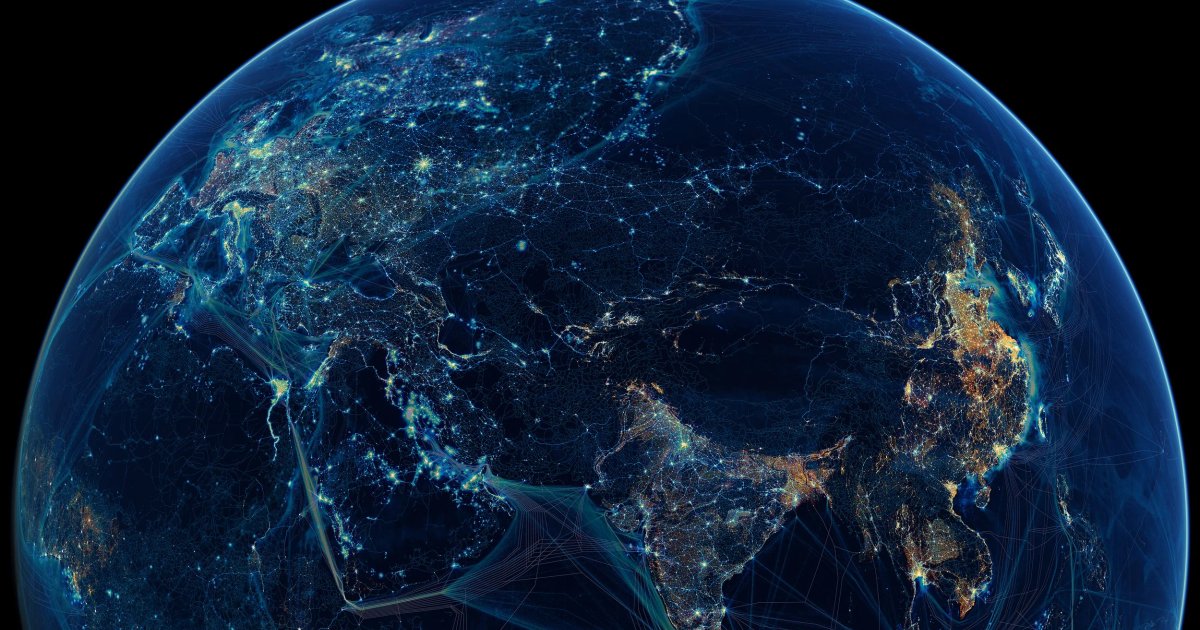
Still, many questions have global aspects. Our information networks, our trade routes, our dependencies are truly global. Because of it many of our issues, including climate emergencies, are global in both their roots and consequences. We all suffer from small earth syndrome these days, as I phrased it in 2010 at the SHiFT Conference, where everything anyone of us does reverberates around the world because we are continuously bumping into real global limits, Club of Rome style.
Planetary Lexicon: Key Terms in Earth System Science
Define 90+ terms in planetary science — from Anthropocene and tipping points to planetary boundaries and the ecosphere.
Re-Engineering Wimsatt for Limited Beings
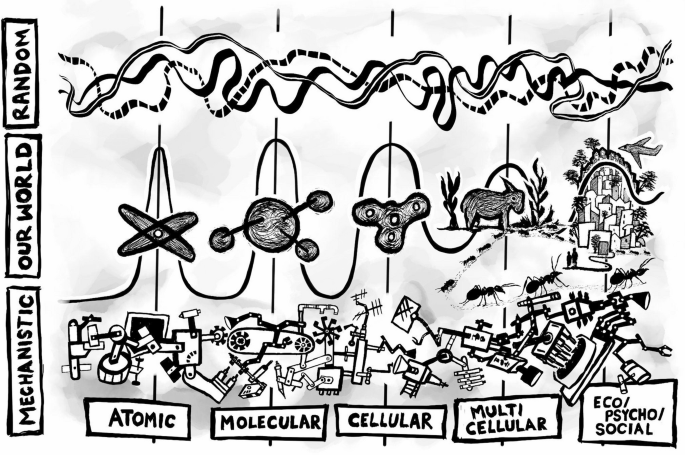
Science is the best way to produce facts about reality. The best, at least, that limited human beings have devised so far. Yet, not even scientists quite seem to understand how scientific knowledge is generated. This is not only a philosophical but also a practical problem, as our misunderstandings affect the quality of our research and limit the directions it can take. In light of this, it may be good if we reflected a bit more on how we do science — to become better researchers through philosophy. Here, I provide an accessible introduction to a philosophical approach that achieves precisely this: William Wimsatt’s multi-perspectival realism. It disabuses us of widespread but misleading myths and idealizations about science, such as the idea that everything in the world can be reduced to a fundamental level, or that we can approach a “view from nowhere” — complete and objectively detached knowledge of the world. Wismatt proposes an alternative view based on his thorough studies of actual research practice. It cuts deeply into the layered yet messy structure of reality, and the improvised but potent tools we have available, as limited and evolved beings, to explore it. Wimsatt reframes science as an irregular yet adaptive process rather than a cumulative repository of unalterable facts. His philosophy provides a workable and grounded middle way between radical skepticism and naïve belief in the objective truth of science. It explains how knowledge is conceptually constructed by humans, but still connects us to reality in a trustworthy way. We need such a new view of science, not only to improve our research practices and outcomes but, more generally, to gain a more realistic understanding of ourselves, the world, and our place and role within it.
Incomputable Earth: Technology and the Anthropocene Hypothesis
This open access collection argues that climate breakdown represents an irreducibly incomputable problem that cannot be resolved through algorithmic optimization or cybernetic planetary management.

The Daily Planet #126: A Plausible Dystopia - The Daily Planet
HOME
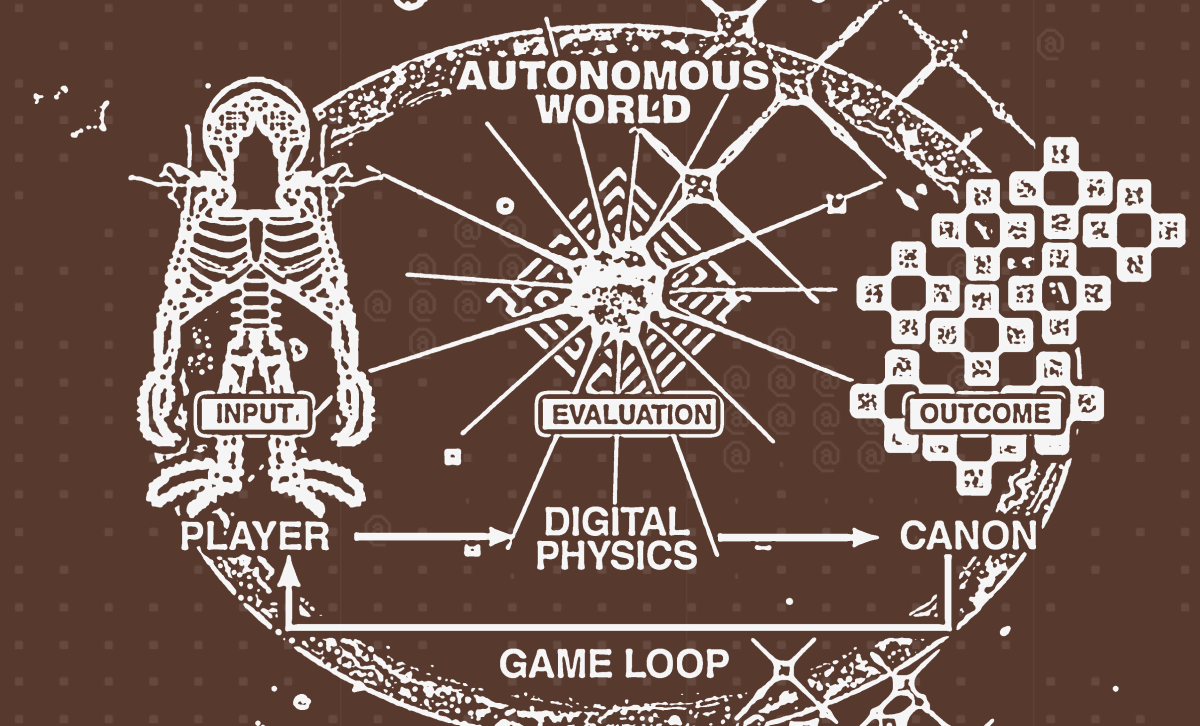
Autonomous Worlds are not just worlds that happen to exist onchain, but worlds that could not exist otherwise.
An interesting observation by Agnes Callard
The 'uni-context' and a left hemisphere dominated world

Annick de Witt on Worldview Theory in a Time Between Worlds
Join us for the Life Itself Research Community Call#33. Annick de Witt discusses how her research on worldviews helps us respond to our current period of global societal transition.
A Philosopher’s One-Word Theory to Explain Why the World Feels So Weird
Once you learn what the "uni-context" is, you won't stop seeing it everywhere