


Defending democracy in the digital age will require moving beyond the focus of fighting online misinformation.
We're getting the social media crisis wrong
The bigger problem isn't disinformation. It's degraded democratic publics
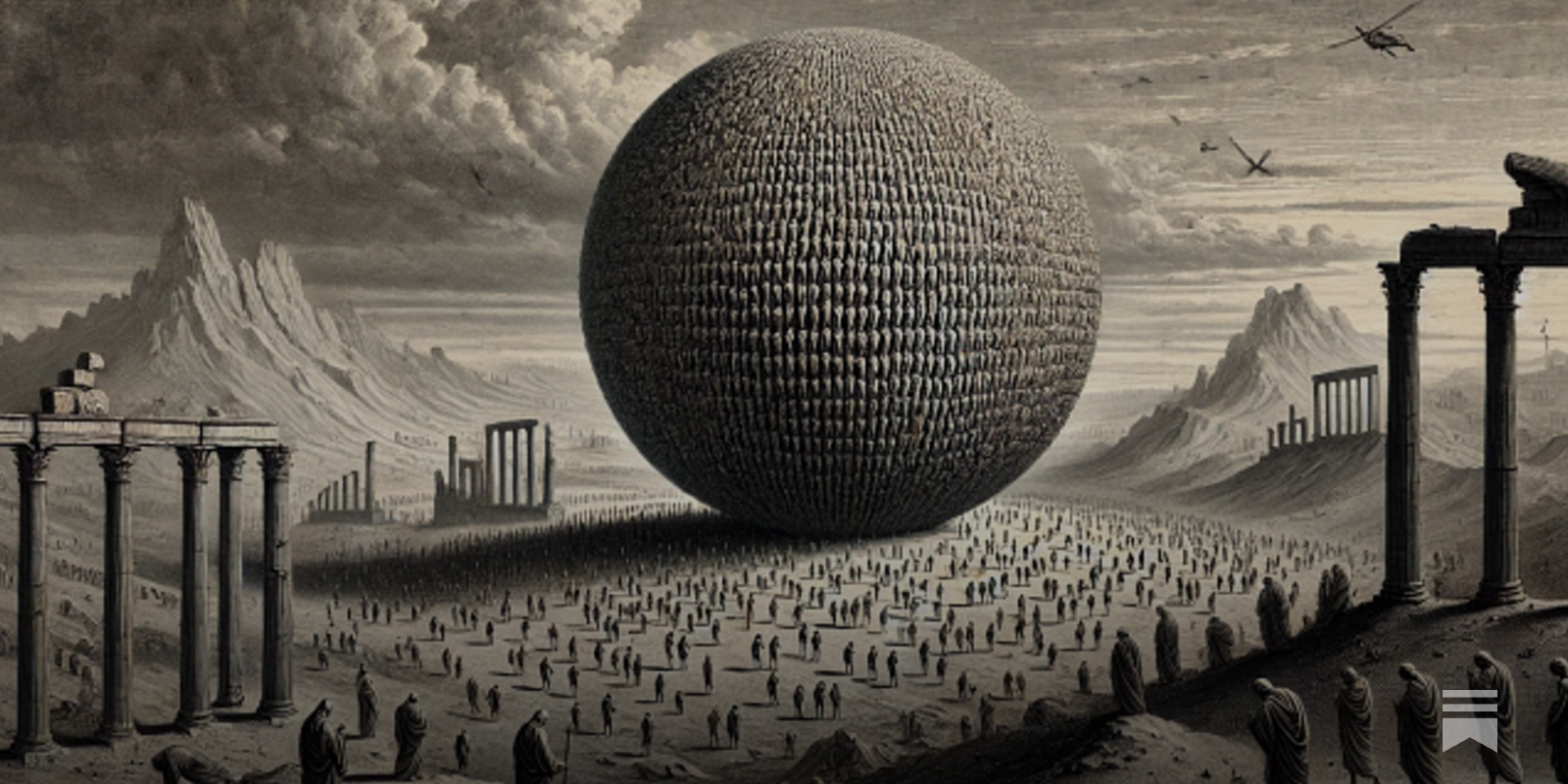
We're getting the social media crisis wrong
The bigger problem isn't disinformation. It's degraded democratic publics
We're getting the social media crisis wrong
The bigger problem isn't disinformation. It's degraded democratic publics
How Technology Is Shaping Modern Politics
Discover how technology is reshaping politics, from digital campaigns to AI, and the challenges of misinformation and election security.
Believing misinformation is a “win” for some people, even when proven false
Winning" means prioritizing independence from outside influence over being right.

How People Weave Online Information Into Pseudoknowledge
Misinformation has found a new natural habitat in the digital age. Thousands of forums, blogs, and alternative news sources amplify fake news and inaccurate information to such a degree that it impacts our collective intelligence. Researchers and policy makers are troubled by misinformation because it is presumed to energize or even carry false narratives that can motivate poor decision-making and dangerous behaviors. Yet, while a growing body of research has focused on how viral misinformation spreads, little work has examined how false narratives are in fact constructed. In this study, we move beyond contagion inspired approaches to examine how people construct a false narrative. We apply prior work in cognitive science on narrative understanding to illustrate how the narrative changes over time and in response to social dynamics, and examine how forum participants draw upon a diverse set of online sources to substantiate the narrative. We find that the narrative is based primarily on reinterpretations of conventional and scholarly sources, and then used to provide an alternate account of unfolding events. We conclude that the link between misinformation, conventional knowledge, and false narratives is more complex than is often presumed, and advocate for a more direct study of this relationship.

Capturing our Attention
What are the harms of misinformation? It’s widely believed that it causes false belief, including false beliefs in quite bizarre claims. I argue that this threat is greatly exaggerated: while plaus...

Misinformation reloaded? Fears about the impact of generative AI on misinformation are overblown
Many observers of the current explosion of generative AI worry about its impact on our information environment, with concerns being raised about the increased quantity, quality, and personalization of misinformation. We assess these arguments with evidence from communication studies, cognitive science, and political science. We argue that current concerns about the effects of generative AI

The five biggest challenges facing misinformation researchers
Let's normalize debunking each other
The spread of misinformation has become an epidemic, but information hygiene can help.
To misinformation researchers, AI is a scourge—and a powerful new tool
How We Can Make the Internet Helpful Again
Amid an infodemic of misinformation and manipulation, it feels like the Internet uses us more than we use it. Taking back control is possible.

Long Live the Web: A Call for Continued Open Standards and Neutrality
The Web is critical not merely to the digital revolution but to our continued prosperity—and even our liberty. Like democracy itself, it needs defending

Election Disinformation in Different Languages is a Big Problem in the U.S.
And it’s driving a wedge between voters in non-English communities Mis- and disinformation about elections predate the endless scroll of modern social media services. [1] Yet easy access to online information channels and amplification tools enable false narratives to spread at a massive scale. When false narratives are combined with data voids and unique cultural […]
A quote by Garry Kasparov
The point of modern propaganda isn't only to misinform or push an agenda. It is to exhaust your critical thinking, to annihilate truth.

If you care about fighting misinformation, strengthening information integrity and safeguarding democracy, you should read this account I've written about the journalist-creator lab my colleagues and I have just delivered in Kenya. Spoiler: it was an absolute success.

What happens when content creators and journalists come together?
www.trust.org