

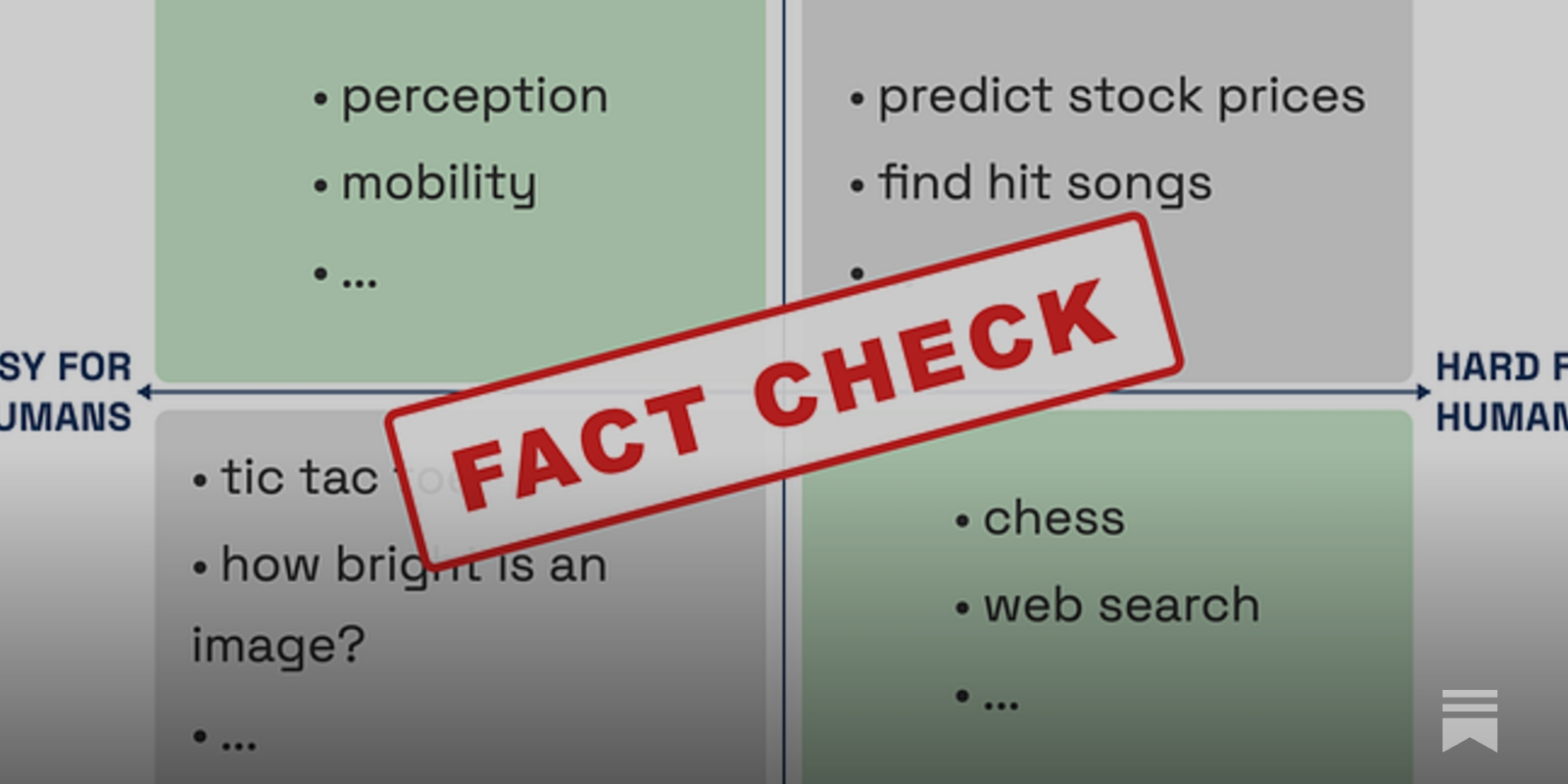
This famous aphorism is neither true nor useful
What Theory is Not, Theorizing Is
Theories of Truth: A Critical Introduction
Theories of Truth provides a clear, critical introduction to one of the most difficult areas of philosophy. It surveys all of the major philosophical theories of truth, presenting the crux of the issues involved at a level accessible to nonexperts yet in a manner sufficiently detailed and original to be of value to professional scholars. Kirkham's systematic treatment and meticulous explanations of terminology ensure that readers will come away from this book with a comprehensive general understanding of one of philosophy's thorniest set of topics.Included are discussions of the correspondence, coherence, pragmatic, semantic, performative, redundancy, appraisal, and truth-as-justification theories. There are also chapters or sections of chapters on the liar paradox, three-valued logic, Field's critique of Tarski, Davidson's program, Dummett's theory of linguistic competence, satisfaction, recursion, the extension/intension distinction, and an explanation of how theories of justification, properly understood, differ from theories of truth.A persistent theme is that philosophers have too often failed to recognize that not all theories of truth are intended to answer the same question. When the various questions are made distinct, it is apparent that many of the "debates" in this field are really cases of philosophers talking past one another. There is much less disagreement within the field than has commonly been thought.

The truth sandwich format does not enhance the correction of misinformation.
The Gapminder Effect has been measured! | Gapminder
Right now, the media attention around “fact resistance” makes it seem like it increases. But do we really know? To know such things we must measure it, and to our knowledge nobody has done that.
Reconciling truthfulness and relevance as epistemic and decision-theoretic utility.
Don't Just Fact-Check Misinformation. First, Understand The Value It Holds. A Conversation w Researchers Michael Simeone & Kristy Roschke
Podcast Episode · Why Should I Trust You? · June 25 · 1h 7m

We're not taking the fact-checking powers of AI seriously enough. It's past time to start.
Some notes on the Nobel Prize hallucination that wasn't
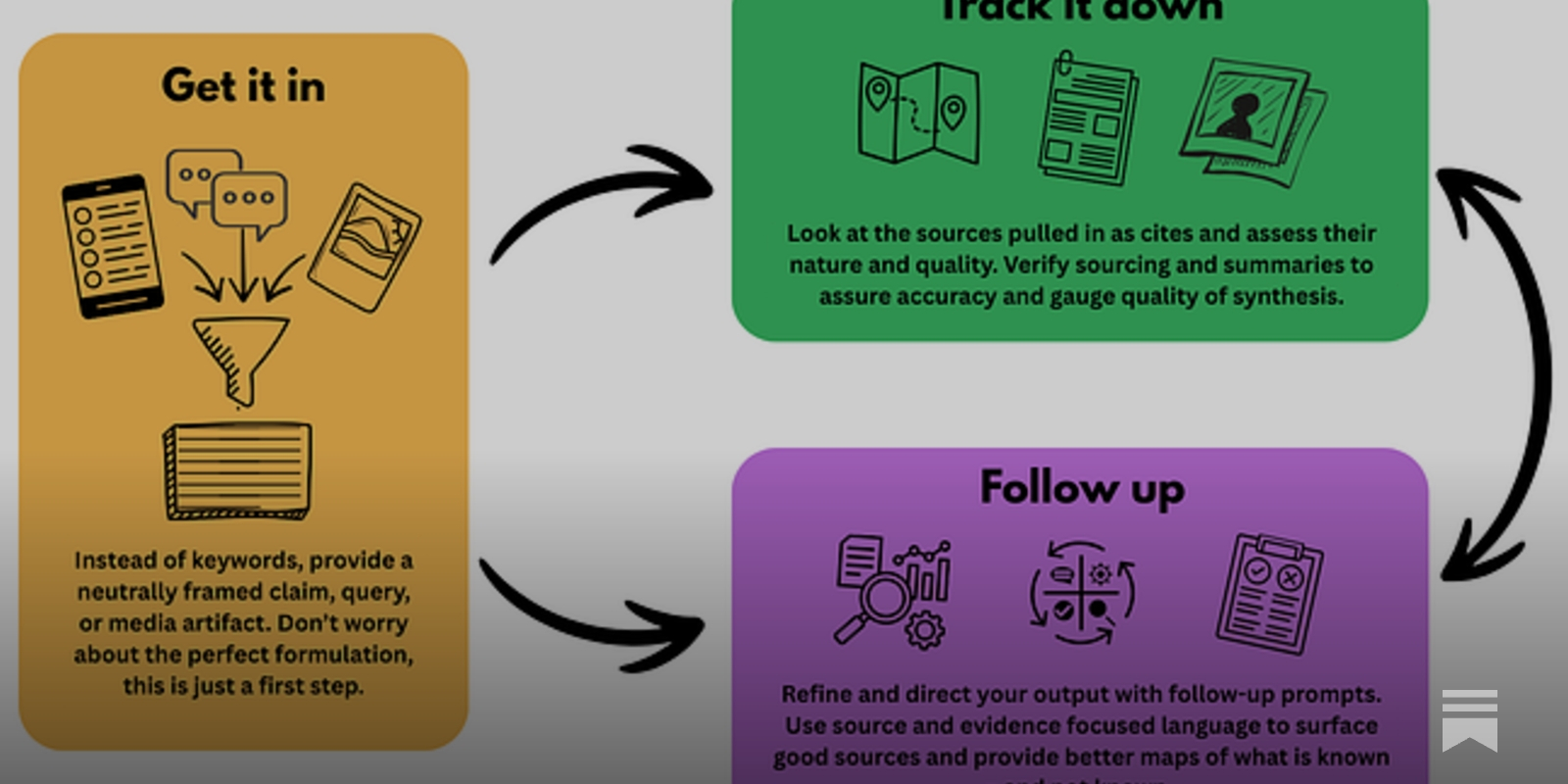
Epistemic Infrastructure: Building Shared Truth in an Era of Disaggregation
The Construct of Collective Perception

A quote by Garry Kasparov
The point of modern propaganda isn't only to misinform or push an agenda. It is to exhaust your critical thinking, to annihilate truth.

Facts and Myths about Misperceptions
Misperceptions threaten to warp mass opinion and public policy on controversial issues in politics, science, and health. What explains the prevalence and persistence of these false and unsupported beliefs, which seem to be genuinely held by many people? Though limits on cognitive resources and attention play an important role, many of the most destructive misperceptions arise in domains where individuals have weak incentives to hold accurate beliefs and strong directional motivations to endorse beliefs that are consistent with a group identity such as partisanship. These tendencies are often exploited by elites who frequently create and amplify misperceptions to influence elections and public policy. Though evidence is lacking for claims of a “post-truth” era, changes in the speed with which false information travels and the extent to which it can find receptive audiences require new approaches to counter misinformation. Reducing the propagation and influence of false claims will require further efforts to inoculate people in advance of exposure (for example, media literacy), debunk false claims that are already salient or widespread (for example, fact-checking), reduce the prevalence of low-quality information (for example, changing social media algorithms), and discourage elites from promoting false information (for example, strengthening reputational sanctions).
The Source of Truth Problem is Getting Worse with Agents — Tonk
Intelligence depends on knowledge, but in practice that knowledge is fragmented across tools, people, and formats, creating conflicting versions of reality. What if we accepted that knowledge lives at the edge and focused instead on effectively sharing it?

The social media context interferes with truth discernment
Simply considering whether to share news on social media reduces the extent to which people discriminate truth from falsehood.

A fact-based worldview for all | Gapminder
We live in a globalized world, not only in terms of trade and migration. More people than ever care about global development. But most people have severe misconceptions about contemporary global development. We know, because we have tested people’s knowledge. One of the main reasons for this is that students don’t learn to understand the world based on statistics and facts. Instead, we have a dramatic worldview formed by outdated school books and sensationalist news-stories. People intuitively believe that most things are getting worse. The dramatic worldview leads to irrational decisions by individuals, nonprofits, governments and business. For the first time in human history reliable statistics exist. There’s data for almost every aspect of global development. The data shows a very different picture: a world where most things improve; a world that is not divided; and a world where the fast population growth will soon be over. The world has never been less bad. But that doesn’t mean it’s perfect.
I've seen a lot of "saying AI is useless is hyperbolic" but the flipside hyperbole is denying that AI still has serious deficiencies. Bullshitting is inherent to the ways LLMs work. Whatever the form—erroneous facts, mangled data, fake cites, or the plagiarism here—it's impossible to fully mitigate.

Timnit Gebru
Speaking of plagiarism: scientificamerican.com/article/openais-latest-math-b…
I’m especially frustrated by the piece uncritically repeating Pangram’s “no false positives” claim when I know writer friends who have run their own work through & had it flag their 100% human-written sentences as machine-generated. We must doubt any company’s claim about its product having 0 fails.
And why, while flawed, the study isn't meaningless or worthless - everyone's take is just lacking nuance:

Ariel M. (she/her)
Yes mostly. The paper (still a preprint, so not peer-reviewed) does start off kinda strong in its claims compared to what the results show. But they acknowledge all the limitations too: - this captured brief AI exposure, so did not look at how these effects change with usage over time

