

The Deceptively Cute Game Growing Faster Than Any Company in History
Exclusive | Mind-Blowing Growth Is About to Propel Anthropic Into Its First Profitable Quarter
The startup expects a 130% revenue surge to $10.9 billion in the June quarter and its first operating profit, defying skeptics of the AI boom.

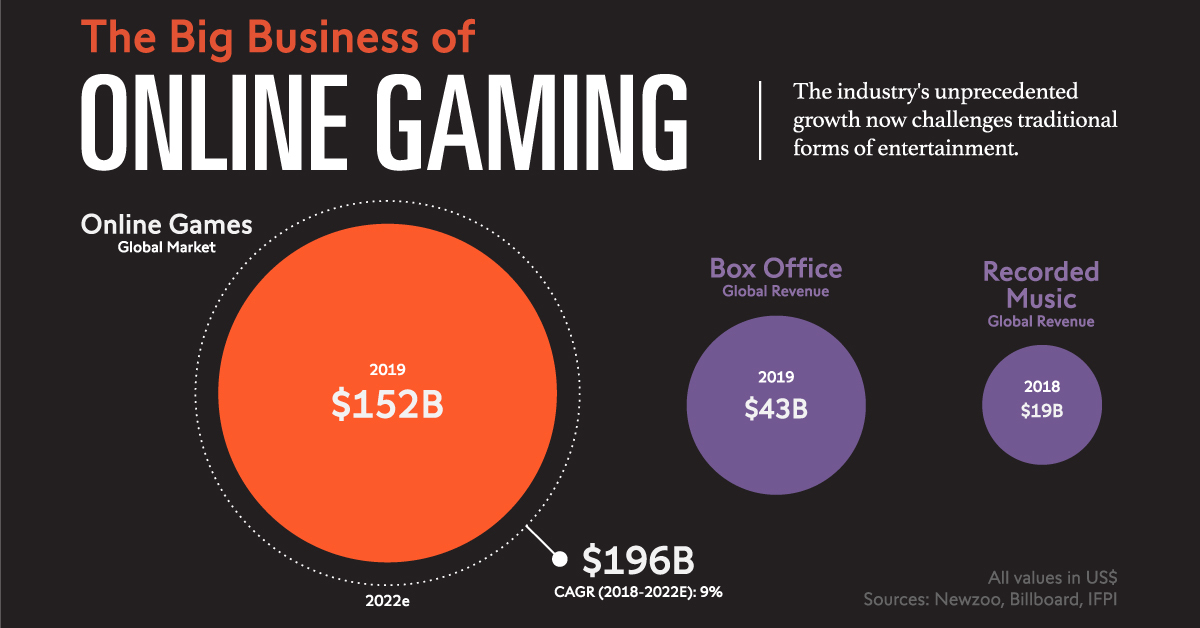
Online Gaming: The Rise of a Multi-Billion Dollar Industry
By 2022, the online gaming market is expected to rake in $196 billion in revenue, more than box office and recorded music revenues combined.
Facebook and the Cost of Monopoly
Facebook gave one of the worst keynotes in a long time: there was no vision, just the adoption of Snap’s. It’s the inevitable outcome of a monopoly.

Nordic Game Ventures
We combine 50 years of games industry experience and organisation with raising over 40 MEUR for the whole industry and for 150+ selected individual companies, as well as VC and angel investing in over 20 Nordic game companies to date. We are well known.
Google's TPU Paradox
Why the massive Anthropic deal ($50-80 billion over six years) is a map to a thousand-customer problem.
7 Reasons Why Video Gaming Will Take Over — MatthewBall.co
It’s replicating the most lucrative entertainment businesses on earth… and then adding a lot more.

Why Do the Biggest Companies Keep Getting Bigger? It’s How They Spend on Tech
The secret of success for Amazon, Google and Microsoft is how much they invest in their own technology.

500+ Billion Tokens Later: Letting AI Agents Decompile A First-Person Shooter
During the last 3 months, I spent some of my time and tokens decompiling a popular first-person shooter. The goal was not to reach a simple proof-of-concept state. Instead, we really wanted an accurate, stable and feature-complete recreation of the game. The avid reader of my blog might have noticed that I had previously written two posts that have since been removed. Everyone else might now be wondering which game I am talking about. To both of you I can only say that corporate America was here to ruin our fun.
Exploitative Game Design: Beyond the F2P Debate
The past few months have seen a torrent of articles about Free-to-Play business models, often discussed alongside issues of ethics in games (for example: 1, 2, 3, 4, 5). These pieces have addressed the effect on addiction-prone players or children, the possibility of corrupting artistic intent, the sheer amount of money being spent, and other advantages and dangers of F2P. While all of this is relevant, I fear that we’re focusing too much on F2P and glossing over the wider ethical issues in game design.
Is Big Tech's AI Gamble Starting to Look Riskier? - Slashdot
The Washington Post looks at giant tech companies "feeding every available dollar into the cash-incinerating maw of AI machines." They warn "Tech superstars that once had oodles of cash left over at the end of each year are now flipping into the red..." [While optimists expect] huge corporate p...

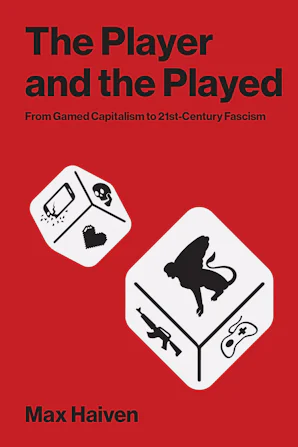
The Player and the Played
In an age when capitalism feels like an unwinnable game, extreme reactionary ideas and politics are on the rise. The Hunger Games, Game of Thrones, Squid Gam...
The strength of a monopoly can be guessed at by calling customer support
If you were an alien hovering above planet earth on a quick visit and trying to find out quickly which were its most dominant companies, you could probably do worse than try to reach their customer…

The rise of the "successful" unsustainable company
We're funding too many unsustainable companies.
The Game of Oligarchy | Brewster Kahle's Blog
I just invented and played a game today with my family, and it worked great– it was fun and we learned an important lesson. Similar to the game “Monopoly” which shows that one person ends up monopolizing even though you think the rules are “fair,” the game of Oligarchy shows that the “free market” leads inexorably to one person getting all the money and everyone else going broke. And fast.
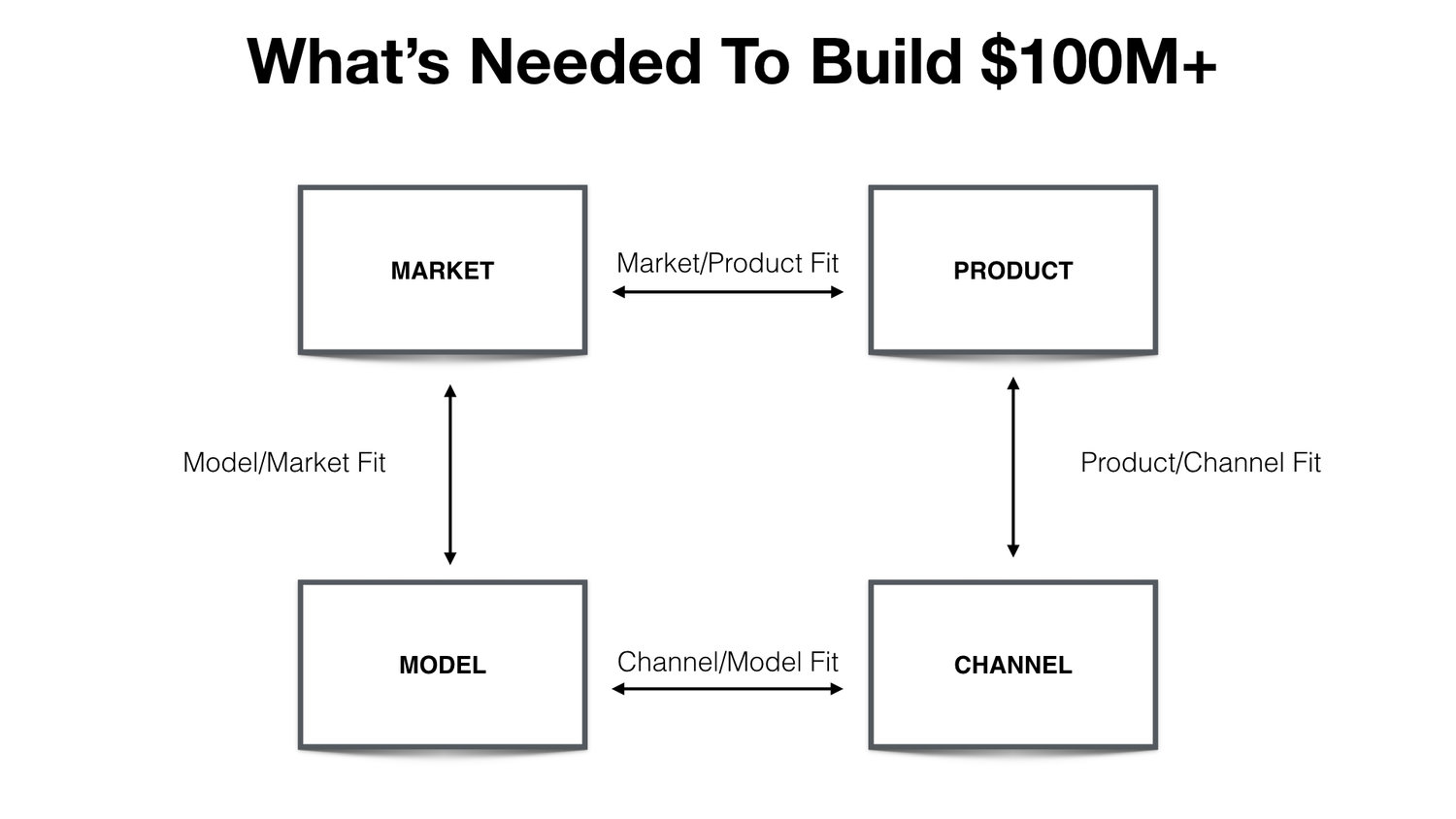
Why Product Market Fit Isn't Enough — Brian Balfour
I’ve been lucky to have been part of building, advising, or investing in 40+ tech companies in the past 10 years. Some $100M+ wins. Some, complete losses. Most end up in the middle. One of my main observations is that there are certain companies where growth seems to come easily, like gui
Why infinite scroll's inventor wants to kill his creation : The Indicator from Planet Money
We practically live on our phones these days. Scrolling and scrolling, endlessly. Entrepreneur Aza Raskin is responsible for creating this infinite scroll. He also testified against Meta, who have been under fire — and in court — charged with making their apps addictive to children. On today’s show: Raskin tells us about the changes he thinks platforms should make to help people take their attention back. Come see Planet Money live on stage! 12 cities. Details and tix here: planetmoneybook.com Related episodes: The Social Media Crisis How algorithms are changing the way we speak For sponsor-free episodes of The Indicator from Planet Money, subscribe to Planet Money+ via Apple Podcasts or at plus.npr.org. Fact-checking by Cooper Katz McKim. Music by Drop Electric. Find us: TikTok, Instagram, Facebook, Newsletter.
