


Exposure to heat can alter the way your DNA works, according to a new study. The effects could lead to long-term health outcomes.
Harvard scientists pinpoint critical step in DNA repair, cellular aging
The body’s ability to repair DNA damage declines with age, which causes gradual cell demise, overall bodily degeneration, and greater susceptibility to cancer. Experiments in mice suggest a way to thwart DNA damage.
Smoking’s Toll on Health Is Even Worse Than Previously Thought, a Study Finds (Published 2015)
A new analysis suggests that an additional 60,000 deaths a year in the United States are linked to smoking.

Could your thoughts make you age faster?
Researchers are finding that your mental patterns could be harming your telomeres — essential parts of the cell’s DNA — and affecting your life and health. Nobel Prize-winning scientist…
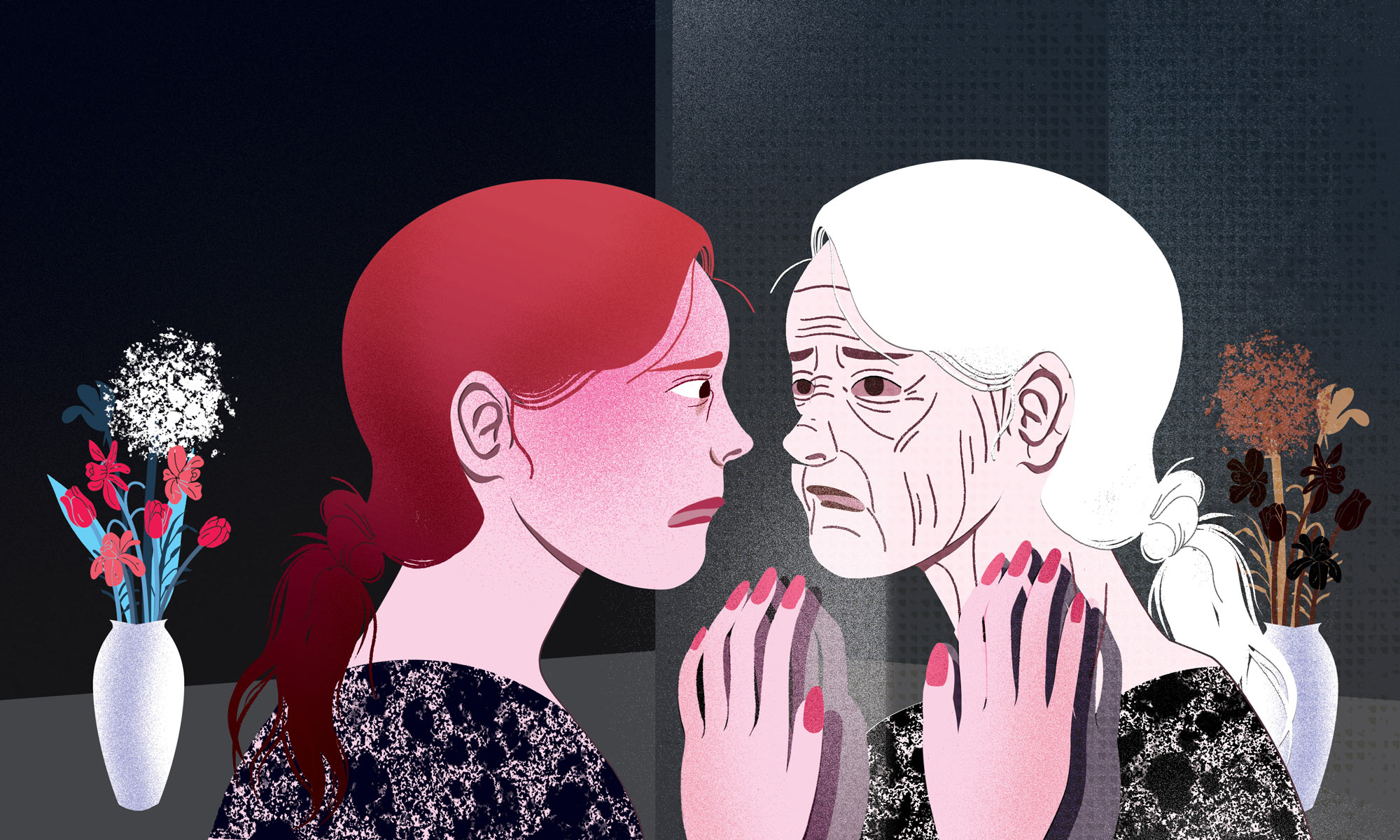
The Quest for Longevity Is Already Over
Studying people who live well beyond the age of 100 could reveal the secret to living longer, healthier lives. But the statistics tell another story.

Scientists find humans age dramatically in two bursts – at 44, then 60
US findings suggesting ageing is not a slow and steady process could explain spikes in health issues at certain ages

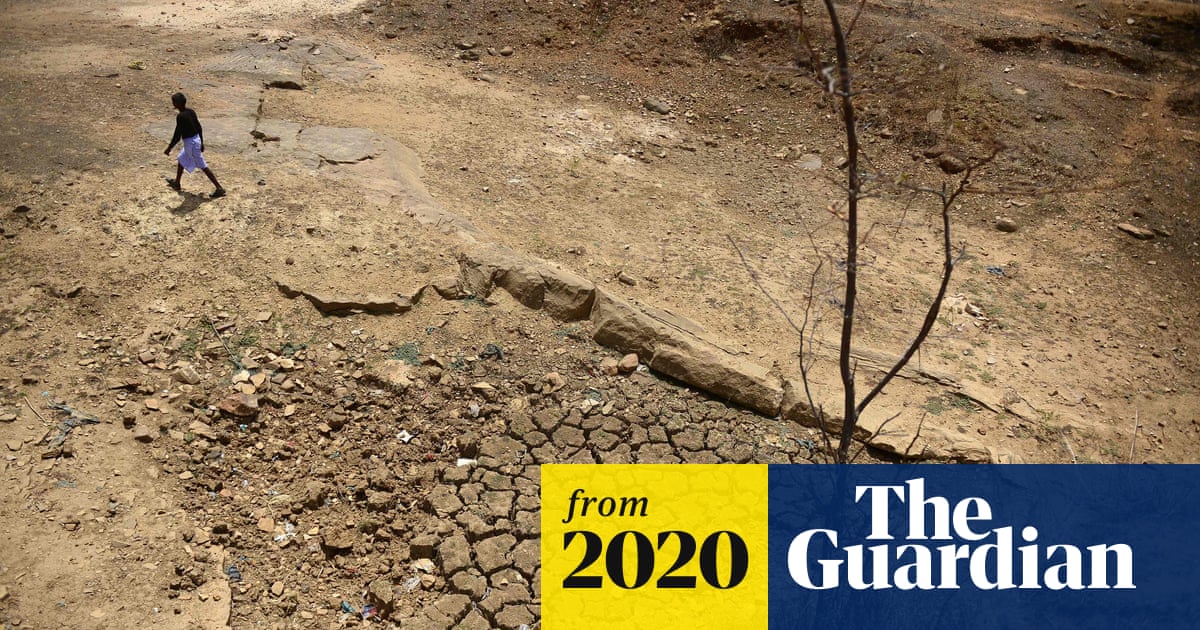
One billion people will live in insufferable heat within 50 years – study
Human cost of climate crisis will hit harder and sooner than previously believed, research reveals
Research Finds That Renting Ages You Faster Than Smoking, Obesity - Slashdot
schwit1 shares a report from the New York Post: A landmark study out of the University of Adelaide and University of Essex has found that living in a private rental property accelerates the biological aging process by more than two weeks every year. The research found renting had worse effects on b...

Research finds that renting ages you faster than smoking, obesity
Millions of Aussies are losing years to accelerated ageing because of one absolute living essential, an alarming new study has revealed.

Let it shine: the unexpected benefits of sun exposure on skin
For years we’ve been told to avoid sun to prevent skin cancer. But research suggests a dose of rays can boost your immune system and increase lifespan. We look on the bright side

Heat-related urban mortality attributable to human-induced climate change in Europe in summer 2026
The summer of 2026 was characterised by a series of extreme heatwaves across Western Europe, with both monthly and annual temperature records broken repeatedly across many countries from May onwards. Several government agencies took the unprecedented step of issuing near-real-time estimates of the mortality associated with the most intense heat events, reflecting the severity of the threat to public health. In this study we combine probabilistic climate attribution with city- and age-specific temperature–mortality relationships to estimate heat-related mortality in 854 European cities during the summer months (June-August) and compare with counterfactual climate conditions representing a world without human-caused warming. We estimate 50,391 heat-related excess deaths across the 854 cities during the summer, with around two thirds of these attributable to anthropogenic climate change. These results highlight the threat from human-caused warming and the need for rapid emissions reductions alongside preparation and adaptation measures.

Heat-related urban mortality attributable to human-induced climate change in Europe in summer 2026
The summer of 2026 was characterised by a series of extreme heatwaves across Western Europe, with both monthly and annual temperature records broken repeatedly across many countries from May onwards. Several government agencies took the unprecedented step of issuing near-real-time estimates of the mortality associated with the most intense heat events, reflecting the severity of the threat to public health. In this study we combine probabilistic climate attribution with city- and age-specific temperature–mortality relationships to estimate heat-related mortality in 854 European cities during the summer months (June-August) and compare with counterfactual climate conditions representing a world without human-caused warming. We estimate 50,391 heat-related excess deaths across the 854 cities during the summer, with around two thirds of these attributable to anthropogenic climate change. These results highlight the threat from human-caused warming and the need for rapid emissions reductions alongside preparation and adaptation measures.
Toronto seniors are feeling the heat | The Narwhal
This won’t be Ontario’s last hot summer, but many older adults and seniors still lack proper cooling spaces
Heat killed ‘staggering’ 50,000 people in Europe’s cities this summer, scientists warn
People succumbed to heat at highest rates in Malta, Italy and Hungary, with health issues, loneliness and poverty exacerbating toll

Greatly enhanced risk to humans as a consequence of empirically determined lower moist heat stress tolerance
As heatwaves become more frequent, intense, and longer-lasting due to climate change, the question of breaching thermal limits becomes pressing. A wet-bulb temperature (T w ) of 35 °C has been proposed as a theoretical upper limit on human abilities to biologically thermoregulate. But, recent—empirical—research using human subjects found a significantly lower maximum T w at which thermoregulation is possible even with minimal metabolic activity. Projecting future exposure to this empirical critical environmental limit has not been done. Here, using this more accurate threshold and the latest coupled climate model results, we quantify exposure to dangerous, potentially lethal heat for future climates at various global warming levels. We find that humanity is more vulnerable to moist heat stress than previously proposed because of these lower thermal limits. Still, limiting warming to under 2 °C nearly eliminates exposure and risk of widespread uncompensable moist heatwaves as a sharp rise in exposure occurs at 3 °C of warming. Parts of the Middle East and the Indus River Valley experience brief exceedances with only 1.5 °C warming. More widespread, but brief, dangerous heat stress occurs in a +2 °C climate, including in eastern China and sub-Saharan Africa, while the US Midwest emerges as a moist heat stress hotspot in a +3 °C climate. In the future, moist heat extremes will lie outside the bounds of past human experience and beyond current heat mitigation strategies for billions of people. While some physiological adaptation from the thresholds described here is possible, additional behavioral, cultural, and technical adaptation will be required to maintain healthy lifestyles.

🌡️🔥Climate change isn't a distant threat—it's a public health crisis now. Our study shows heat-related deaths in many cities could surpass annual COVID-19 deaths in just 5–10 years at 3°C warming. Urgent action is needed! 👉 rdcu.be/d5rnL @natureportfolio.bsky.social #scientificreports

Rapid climate action is needed: comparing heat vs. COVID-19-related mortality
rdcu.be