

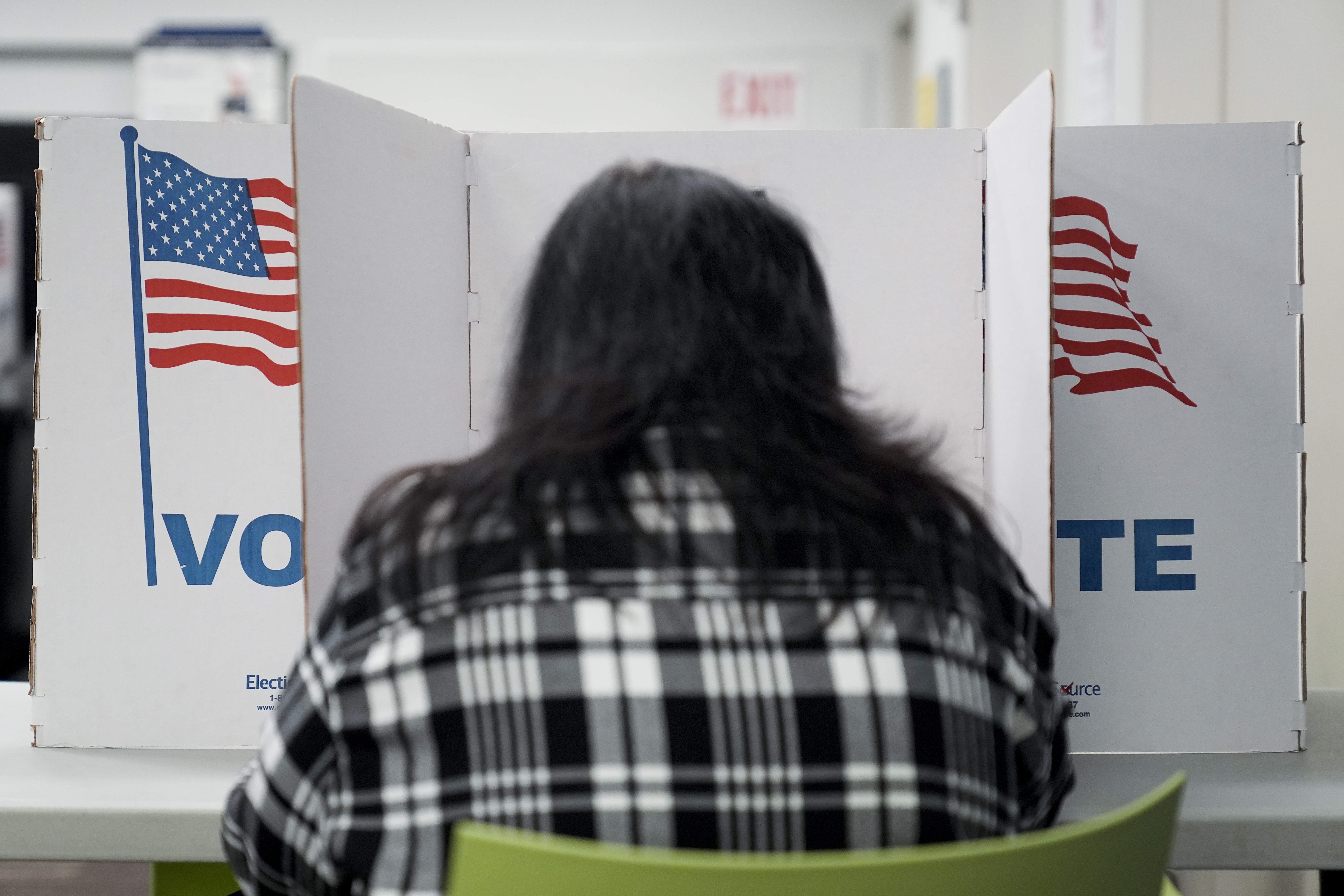
With Virginia on board, the National Popular Vote Compact is now enacted in states worth 222 electoral votes. Here's what that means.
The V-Dem Dataset – V-Dem
Includes the world's most comprehensive and detailed democracy ratings. The latest version of the dataset and associated reference documents can be downloaded free of charge below.
Five dimensions of scaling democratic deliberation: With and beyond AI
DemocracyNext's new paper on Five dimensions of scaling democratic deliberation: With and beyond AI
The Median Voter Theorem is a Clarity Trap
What the Democratic party needs - what it demands - is bold, persistent experimentation
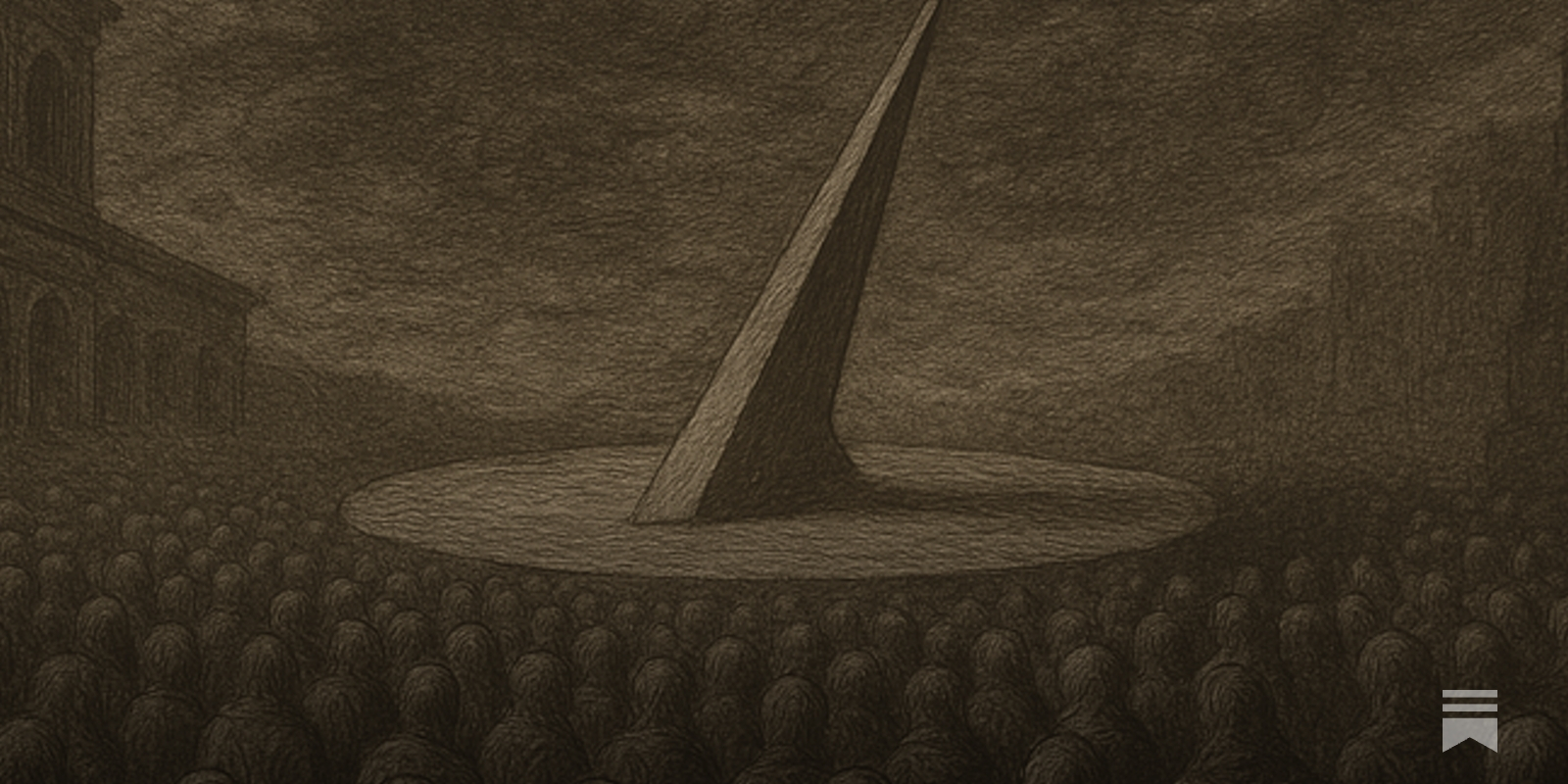
The Dispersion of Power: A Critical Realist Theory of Democracy
Abstract The Dispersion of Power is an urgent call to rethink centuries of conventional wisdom about what democracy is, why it matters, and how to make it better. Drawing from history, social science, psychology, and critical theory, it explains why elections do not and cannot realize the classic ideal of popular rule, and why prevailing strategies of democratic reform often make things worse. Instead, Bagg argues, we should see democracy as a way of protecting public power from capture—an alternative vision that is at once more realistic and more inspiring. Despite their many shortcomings, real-world elections do prevent the most extreme forms of tyranny, and are therefore indispensable. In dealing with the vast inequalities that remain, however, we cannot rely on standard solutions such as electoral reform, direct democracy, deliberation, and participatory governance. Instead, Bagg shows, protecting and enriching democracy requires addressing underlying inequalities of power directly. In part, this entails substantive policies attacking the advantages of wealthy elites. Even more crucially, deepening democracy requires the organization of oppositional, countervailing power among ordinary people. Neither task is easy, but historical precedents exist in both cases—and if democracy is to survive contemporary crises, leaders and citizens alike must find ways to revive and reinvent these essential democratic practices for the twenty-first century.

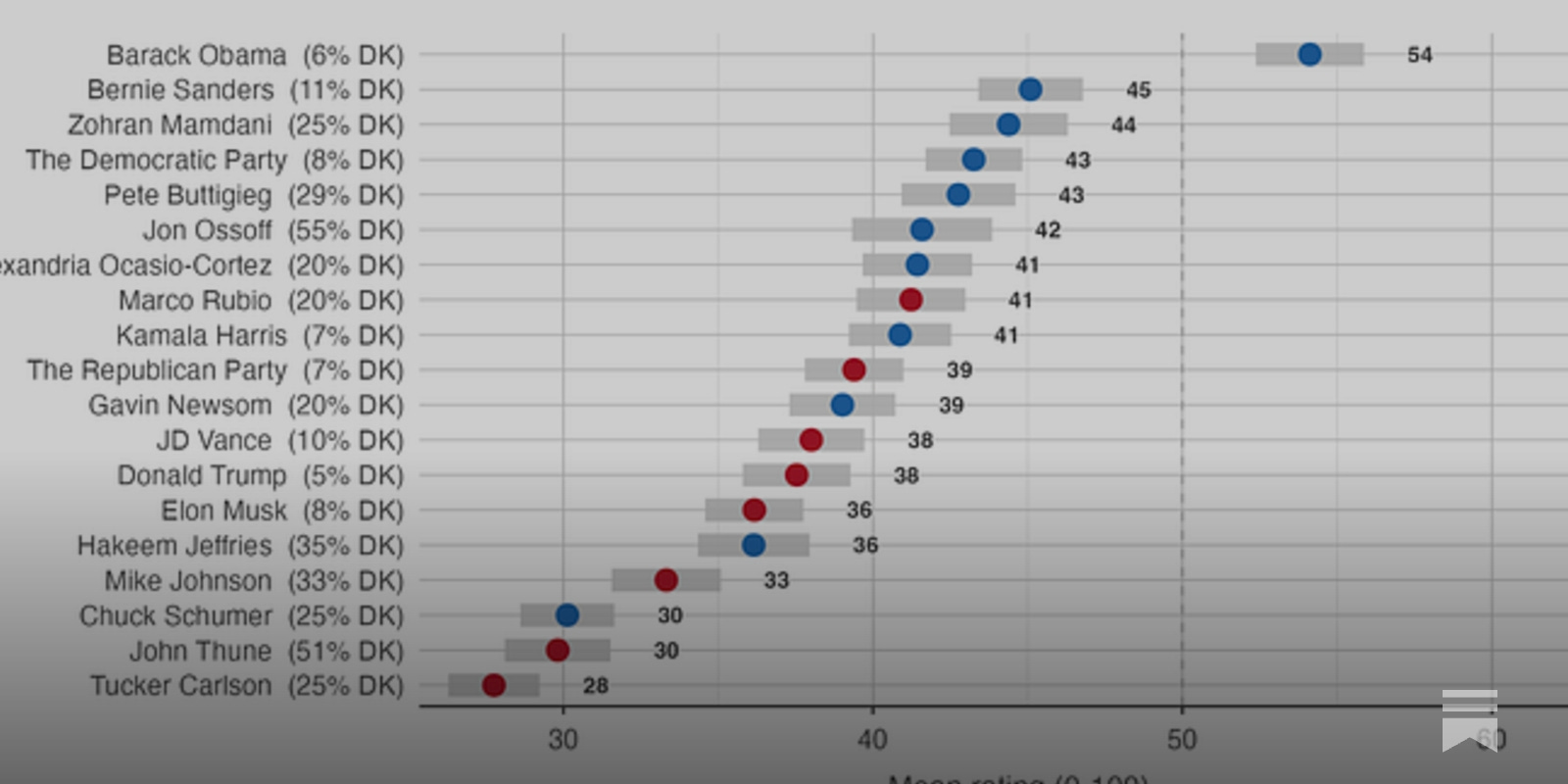
America's most (and least) popular politicians in 2026
Barack Obama, Bernie Sanders, and Zohran Mamdani top the list, while Tucker Carlson and Chuck Schumer bring up the rear
Priorities | celeste4sos.com
The right to vote, better representation and election integrity.

Johnny Harris — How billionares stole America's elections
American elections are for sale. It wasn’t always this way.

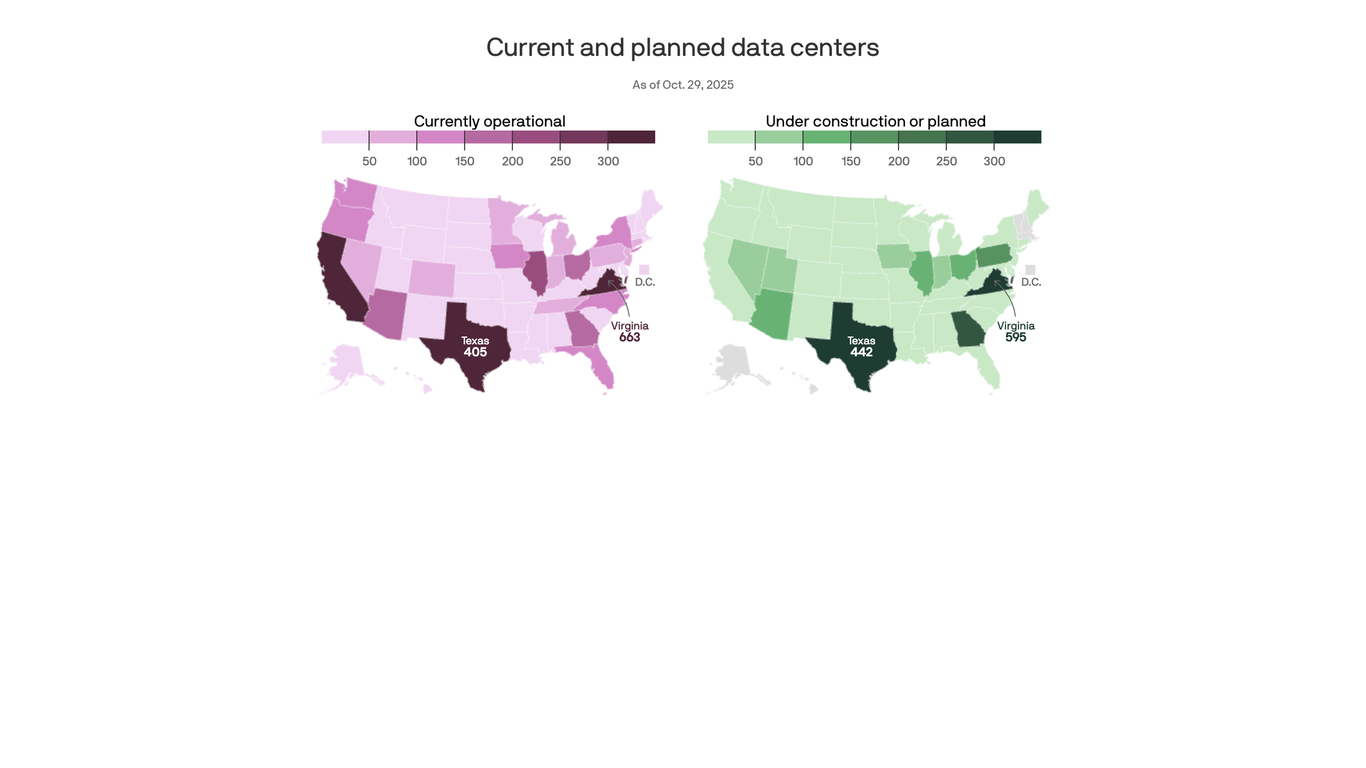
America's data center growth hot spots, mapped
Virginia and Texas lead the way, but they're becoming a major political fight.
Is it time to think beyond Ranked Choice Voting?
We love being able to show our preferences. We want to vote our conscience. But is RCV really the best option?

Donate to the candidates on the front lines of the fight against MAGA gerrymandering
These are Democratic state candidates in *extremely* close races

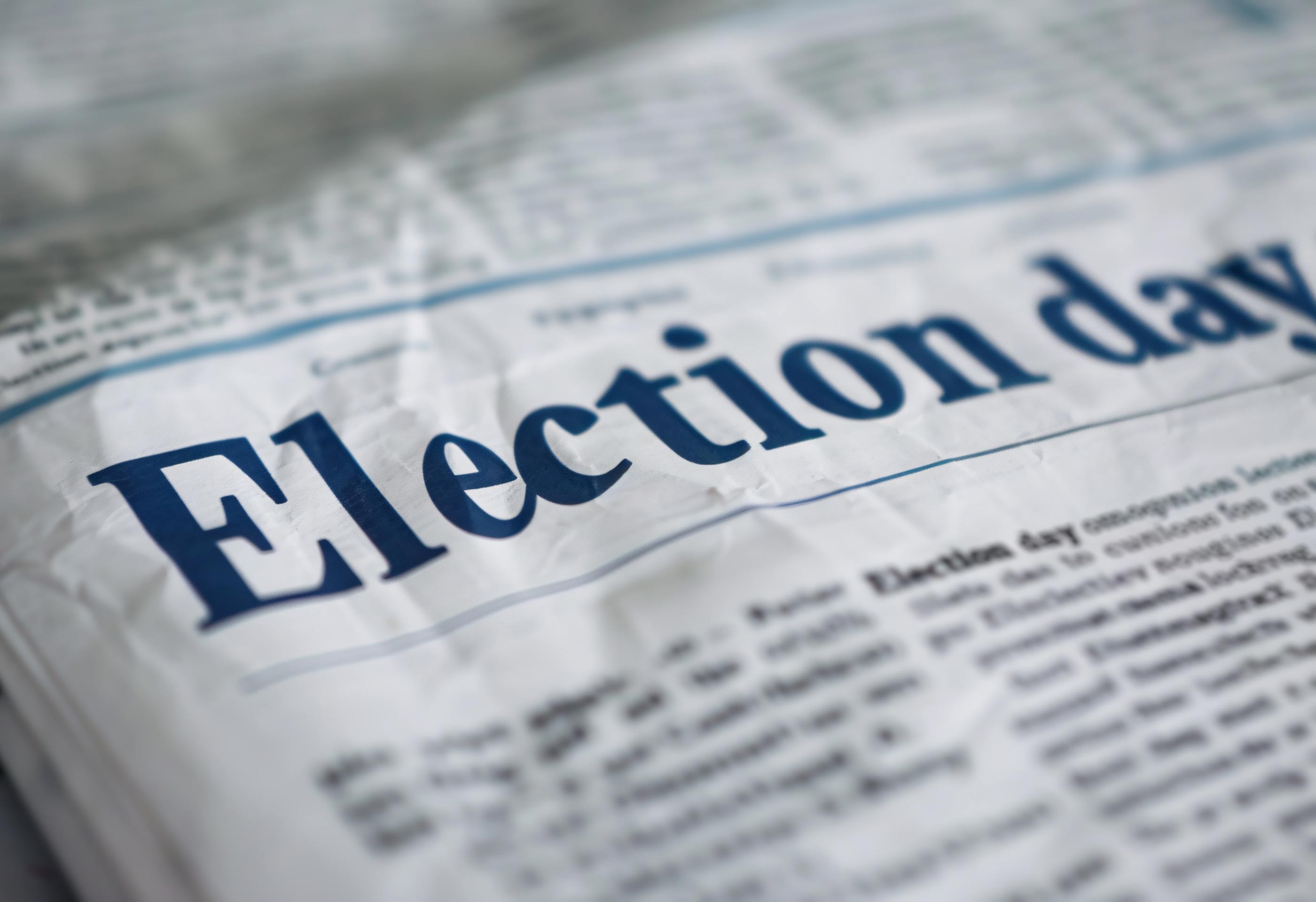
How Media – Namely News, Ads and Social Posts – Can Shape an Election
How Media – Namely News, Ads and Social Posts – Can Shape an Election
Honeybee Democracy
How honeybees make collective decisions—and what we can learn from this amazing democratic process

The shallow impact of India’s AI summit
The US government still can’t think beyond “winning.” The rest of the world is still thinking too small

ORS 254.480 – Replacement ballots
An elector may obtain a replacement ballot described in ORS 254.470 (Procedures for conducting election by mail). To vote a replacement ballot,…
Democracy is an epistemic discipline, it only works if truth can constrain power. Without a faster, more transparent architecture for shared reality, the arc of democracy bends away from substance, through simulation, and toward authoritarianism. Without major action, it's the inevitable end state.
