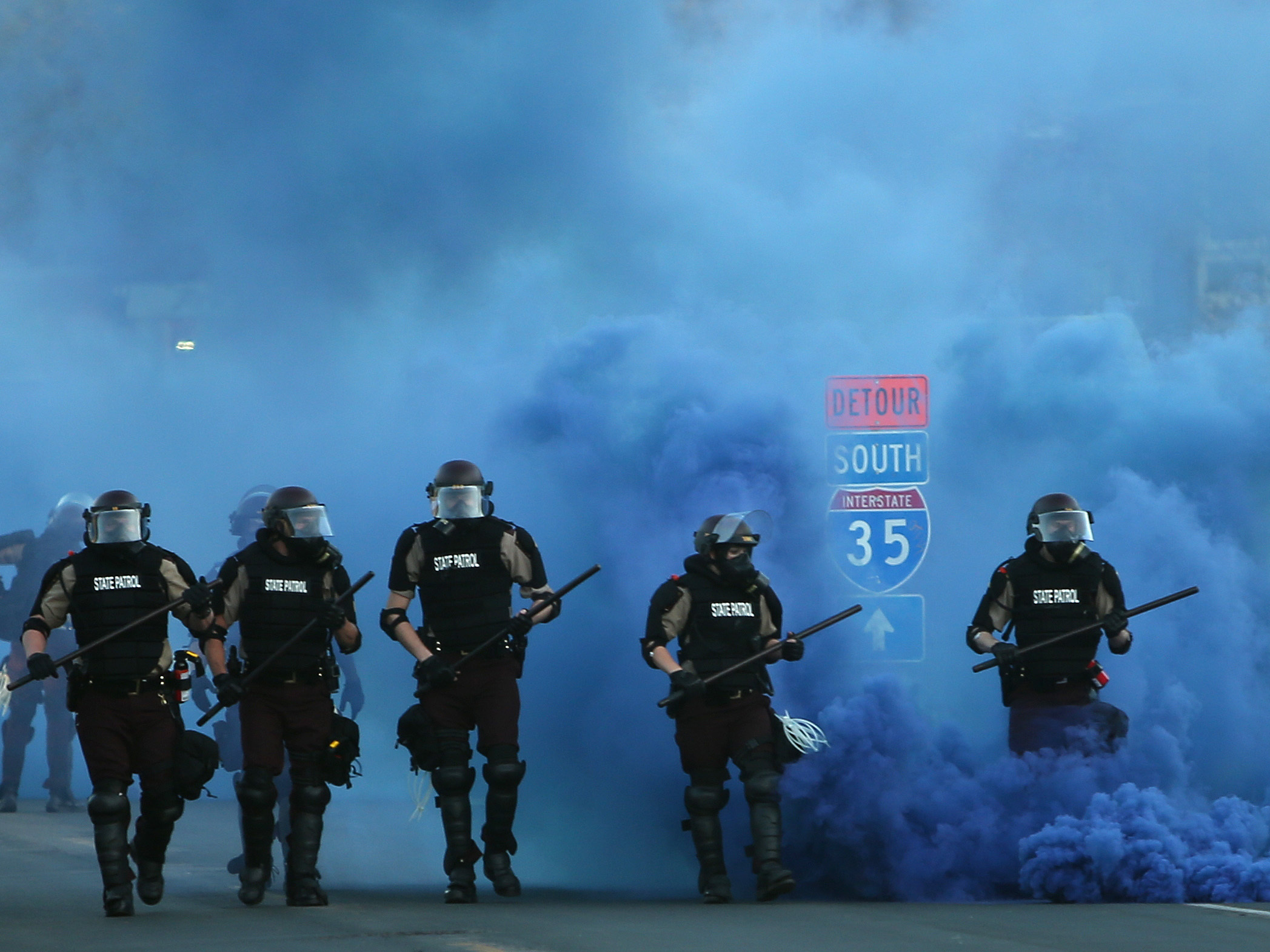
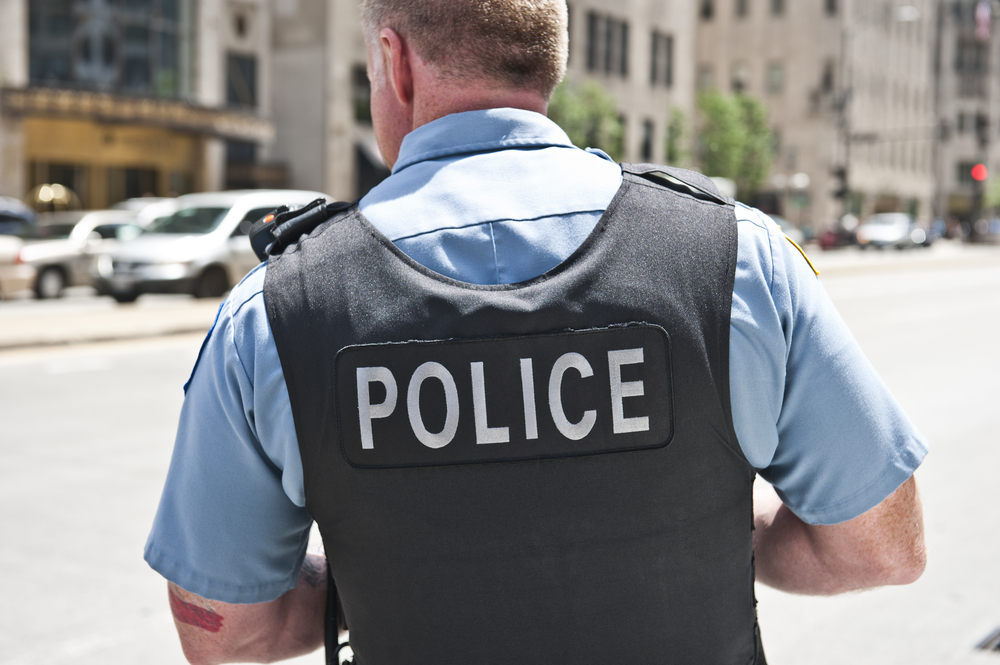
For many Americans, it goes without saying that the police help maintain public safety. But many others — especially black Americans — see the police as more of a threat than a protective force.
Criminal Justice Expenditures: Police, Corrections, and Courts
Police expenditures include spending on police, sheriffs, state highway patrols, and other governmental departments charged with protecting public safety.Cor…
The Most Violent Police Force in Europe: Police Brutality in France — The World Mind
Contributing Editor Aaron Shires explores the rise in excessive use of force by French police forces and the disparate impact this has on racial minorities in France.

How AI-powered policing is endangering the public’s trust in police
Growing concerns about police use of AI could erode the public’s perception of trust in the legal system.

How AI-powered policing is endangering the public’s trust in police
Growing concerns about police use of AI could erode the public’s perception of trust in the legal system.
A Cognitive View of Policing
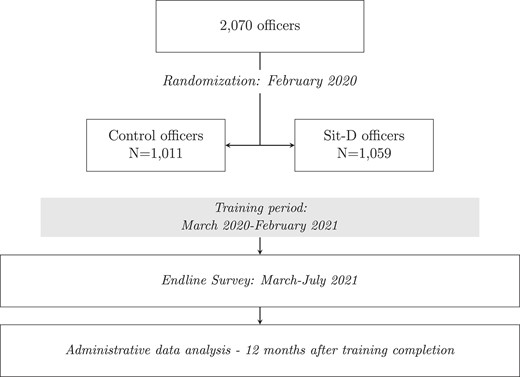
Abstract What causes adverse policing outcomes, such as excessive uses of force and unnecessary arrests? Prevailing explanations focus on problematic officers or deficient regulations and oversight. We introduce an overlooked perspective. We suggest that the cognitive demands inherent in policing can undermine officer decision making. Unless officers are prepared for these demands, they may jump to conclusions too quickly without fully considering alternative ways of seeing a situation. This can lead to adverse policing outcomes. To test this perspective, we created a new training that teaches officers to consider different ways of interpreting the situations they encounter. We evaluated this training using a randomized controlled trial with 2,070 officers from the Chicago Police Department. In a series of lab assessments, we find that treated officers were significantly more likely to consider a wider range of evidence and develop more explanations for subjects’ actions. Critically, we also find that training affected officer performance in the field, leading to reductions in uses of force, discretionary arrests, and arrests of Black civilians. Meanwhile, officer activity levels remained unchanged, and trained officers were less likely to be injured on duty. Our results highlight the value of considering the cognitive aspects of policing and demonstrate the power of using behaviorally informed approaches to improve officer decision making and policing outcomes.
Armer les polices municipales : une dangereuse singularité française - AOC media
Tout juste élu maire de Saint-Denis, Bally Bagayoko a annoncé le désarmement progressif de sa police municipale, LBD compris. Une décision à rebours de la tendance française – et pourtant parfaitement conforme aux choix des pays européens où l'État de droit, la démocratie et les droits humains sont le mieux assurés.
Criminal Justice Fact Sheet
A compilation of facts and figures surrounding policing, the criminal justice system, incarceration, and more.
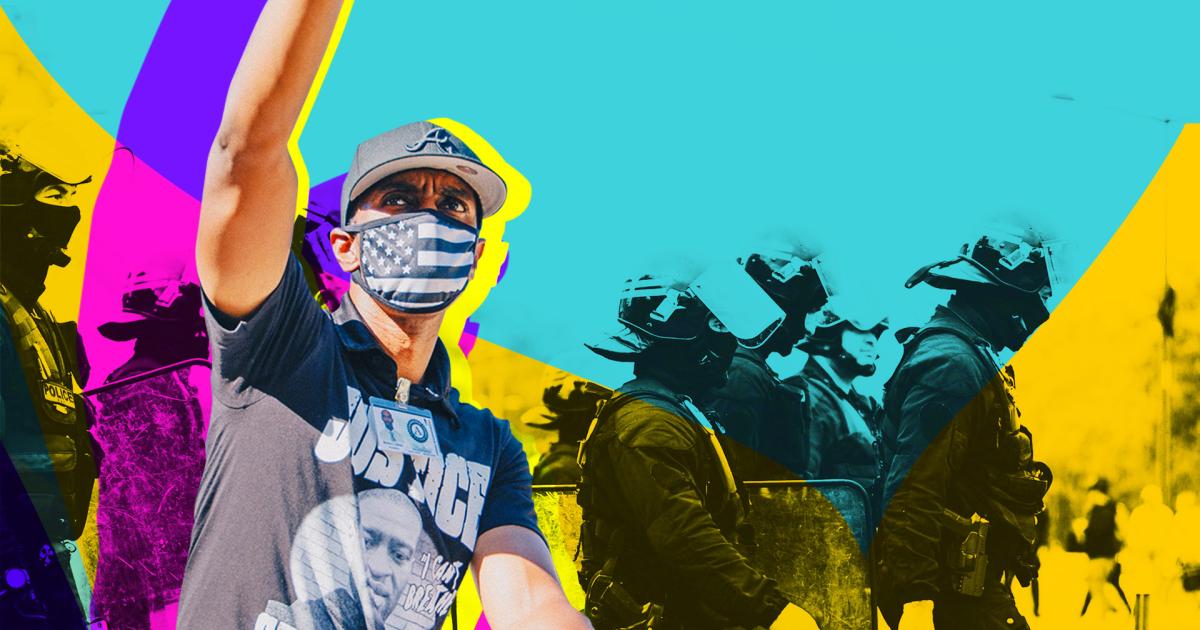
When police pull back: Neighborhood‐level effects of de‐policing on violent and property crime, a research note
Abstract Many U.S. cities witnessed both de‐policing and increased crime in 2020, yet whether the former contributed to the latter remains unclear. Indeed, much of what is known about the effects of proactive policing on crime comes from studies that evaluated highly focused interventions atypical of day‐to‐day policing, used cities as the unit of analysis, or could not rule out endogeneity. This study addresses each of these issues, thereby advancing the evidence base concerning the effects of policing on crime. Leveraging two exogenous shocks presented by the onset of the coronavirus 2019 (COVID‐19) pandemic and social unrest after the murder of George Floyd, we evaluated the effects of sudden and sustained reductions in high‐discretion policing on crime at the neighborhood level in Denver, Colorado. Multilevel models accounting for trends in prior police activity, neighborhood structure, seasonality, and population mobility revealed mixed results. On the one hand, large‐scale reductions in stops and drug‐related arrests were associated with significant increases in violent and property crimes, respectively. On the other hand, fewer disorder arrests did not affect crime. These results were not universal across neighborhoods. We discuss the implications of these findings in light of debates concerning the appropriate role of policing in the 21st century.

What the latest research tells us about racial bias in policing
What we know, and importantly don't know, about the latest research on racial bias in policing.
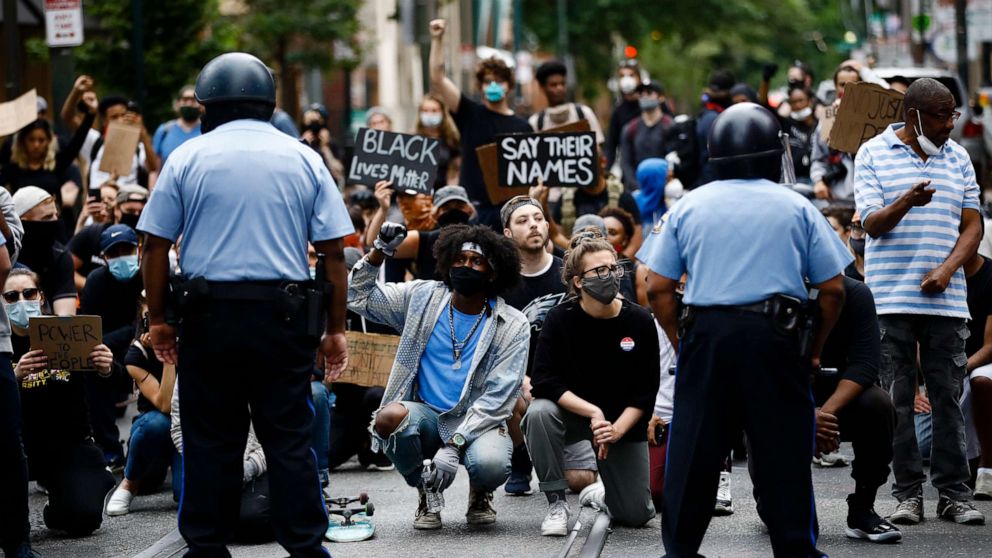
How Baltimore Achieved Historically Low Homicides—With Less Police – Emerald Book
◆ Emerald Pages ◆ public safety / urban policy How Baltimore Achieved Historically Low Homicides—With Less Police Emerald Book Publication August 4, 2026 Updated: August 6, 2026 9 min read Baltimore has engineered a 68% drop in homicides since 2019, outpacing the national average—all while operating with 400 fewer officers. Here's how the city debunked
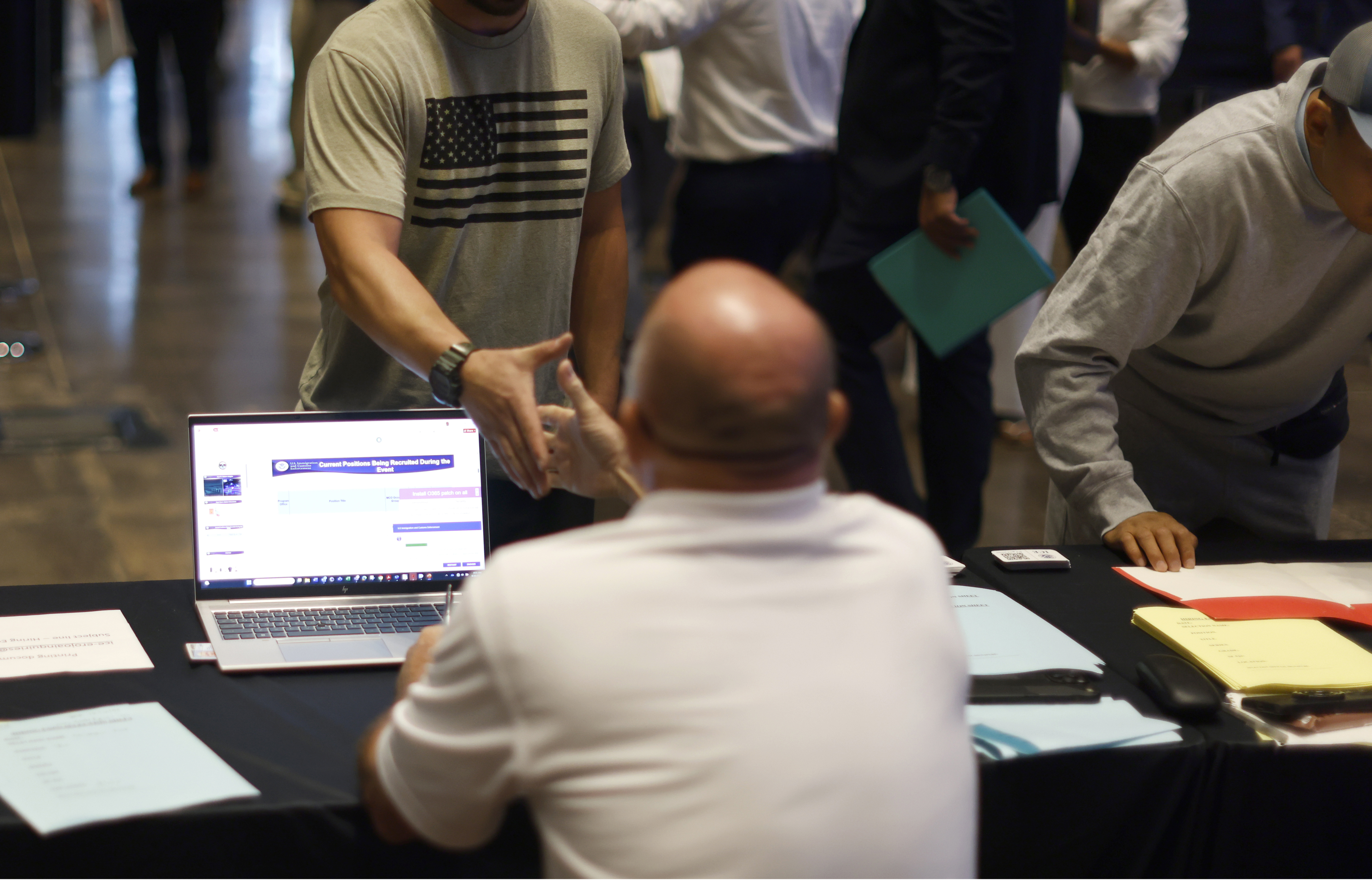
Amid a big hiring push, police experts question ICE officer vetting
The recent fatal shootings by ICE officers in Texas and Maine come at a time when the federal agency has hired a huge number of officers quickly. Some law enforcement experts worry that this kind of a hiring spree can lead police agencies to cut corners in vetting new hires.
Police Abolition | The Paper Pilot
The Paper Pilot's digital garden of thoughts on philosophy, politics, and sociology
How You Start is How You Finish? The Slave Patrol and Jim Crow Origins of Policing
Though history books may say otherwise, policing in the United States has its roots in the slave patrols in the South. The institution of policing, and the larger justice system, must reconcile its past to evolve away from its racist roots.

French police arrest more than 1,800 people after violent protests erupt across country
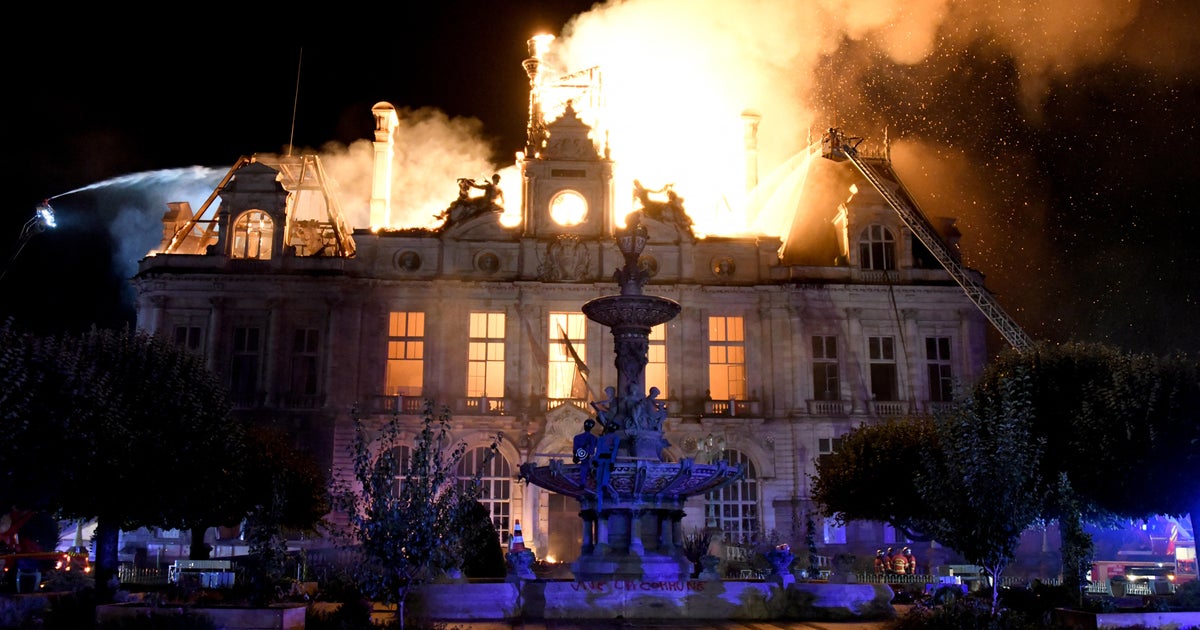
Authorities said masked groups on Saturday set fires and attacked public buildings, including city halls, in several cities.
State Capacity of Secret Surveillance
The state capacity-civil society tradeoff model tends to treat the “state” and “civil society” as separate entities who move to constrain one another. However, this modeling technique leaves out the nuances of individual action within a collective setting by treating each as a relative black box. This article explores this balance in the context of the surveillance state that has arisen in the 20th and 21st century. As state capacity in surveillance increases it better allows the state to respond to threats to citizens from citizens. However, the increased capacity also lessens the ability of societal pressure to check authoritarian advances even in a nation with a thriving civil society presence.