

Everybody likes free. But free can be dangerous. On today's show, what happens when you take something that was free and give it a price. That's a highly risky move and the damage can be enormous.
Why free stuff makes us irrational
When something is free, people feel a positive glow — and standard cost-benefit analyses go out the window.
“We Own You” – Confessions of an Anonymous Free to Play Producer – TouchArcade
When it comes to discussions surrounding free to play, people often focus on monetization tactics based on their experiences as a player. Folks commonly get upset based on the disruption of the historical precedent that games should have a price tag, that you pay, then get the game.
Unlocking the commons
"The most powerful and interesting media model will remain raising money from members who don't just permit but <em>insist</em> that the product be given away for free."
Craigslist, Wikipedia, and the Abundance Economy
You’ve heard it before. Maybe you’ve even said it. “There’s no such thing as a free lunch.” “You can’t get something for nothing.” “Somebody has to pay.” People recite these sayings with confidence, as though they were quoting Newton’s Laws of Motion...
When Free Software Depends on Nonfree - GNU Project - Free Software Foundation
When a program is free software (free as in freedom), that means it gives users the four freedoms, so that they control what the program does. In most cases, that is sufficient for the program's distribution to be ethical; but not always. There are additional problems that can arise in specific circumstances. This article describes a subtle problem, where upgrading the free program requires using a nonfree program.
How Tailscale's free plan stays free
Tailscale’s free plan is free because we keep our scaling costs low relative to typical SaaS companies. I know, it sounds too good to be true. Let’s see some details.
Why Free Markets Make Fools of Us
George Akerlof and Robert Shiller believe that once we understand human psychology, we will be a lot less enthusiastic about free markets and a lot more worried about the harmful effects of competition. In their view, companies exploit human weaknesses not necessarily because they are malicious or venal, but because the market makes them do it.
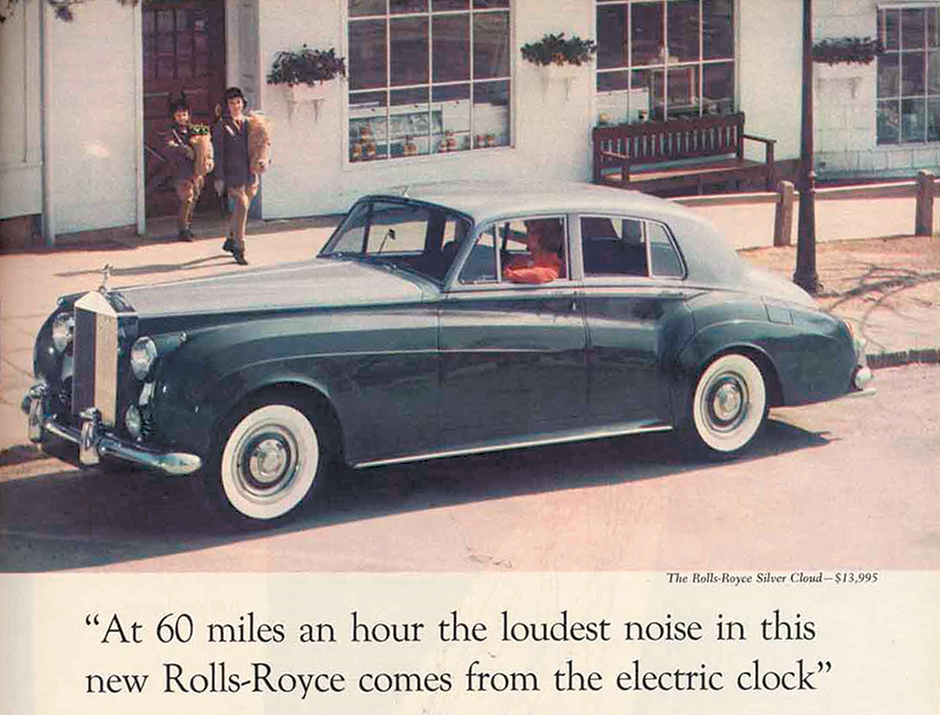
The Definitive Story of “Information Wants To Be Free”
The most famous phrase in “Hackers” wasn’t in the book.

Weapon Free Funds | Weapon Free Funds
Get your money out of weapon stocks. Weapon Free Funds is a search platform that informs and empowers everyday investors.
In Thrall to Scarcity
As I’ve talked about in this space in the past, I’ve been coming to some conclusions about free software (open source, or whatever you want to call it): the economics of it, like anythi…

Money, Money, Money - Writing software, in a rich (wo)man's world by Russell Keith-Magee
Sorting out the Ethical Licensing Mess
Software developers who give the world, for free, usage rights to the code they write often use open source licenses to make this gift legally explicit. These free usage rights (and then some) are …
Always Leave Home Without It: A Further Investigation of the Credit-Card Effect on Willingness to Pay
In studies involving genuine transactions of potentially high value we show that willingness-to-pay can be increased when customers are instructed to use a credit card rather than cash. The effect may be large (up to 100%) and it appears unlikely that it arises due solely to liquidity constraints. In addition to demonstrating the effect, we provide a methodology for detecting it, and our findings suggest a source of variance to test alternative explanations.
Why we charge for Apps when other apps are free — Chimbori
We respect your privacy, and do not make any money from ads or from selling your personal information. We only make money from Premium purchases.
What Happens When We Become A Cashless Society? - Fast Company
Imagine a future where everything is seamlessly paid for via your phone. It's a beautiful vision—with some dangerous unintended consequences.
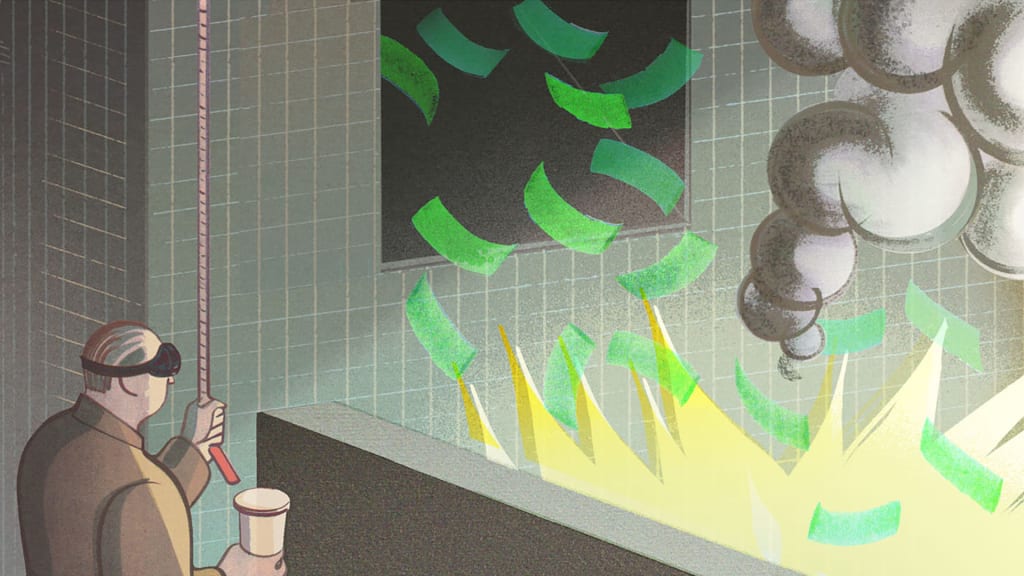
The internet has evolved to foster a fatal expectation: that the things we depend on every day are free. They aren't, but we're allowed to pretend they are with the help of ad-driven business models. The real cost is substantial, and can be measured in time, money, relationships, health, and more.

Fund Your Internet
fundyourinternet.org