


Guide to the Ronald F. Lee Papers
National Park Service: Public Use of the National Park System (1872-2000): Chapter 9
The first part of this section reviews basic ideas for dispersing visitors outside the System. While merit is seen in some of these ideas, the conclusion is reached that at best they can make only a limited contribution to regulating mounting park travel because there is no substitute for a visit to a national park. The second part of this section then reviews concepts and methods for regulating public use inside the parks through park developments, land classification, including wilderness area designations, and vehicular controls, including new transportation systems.
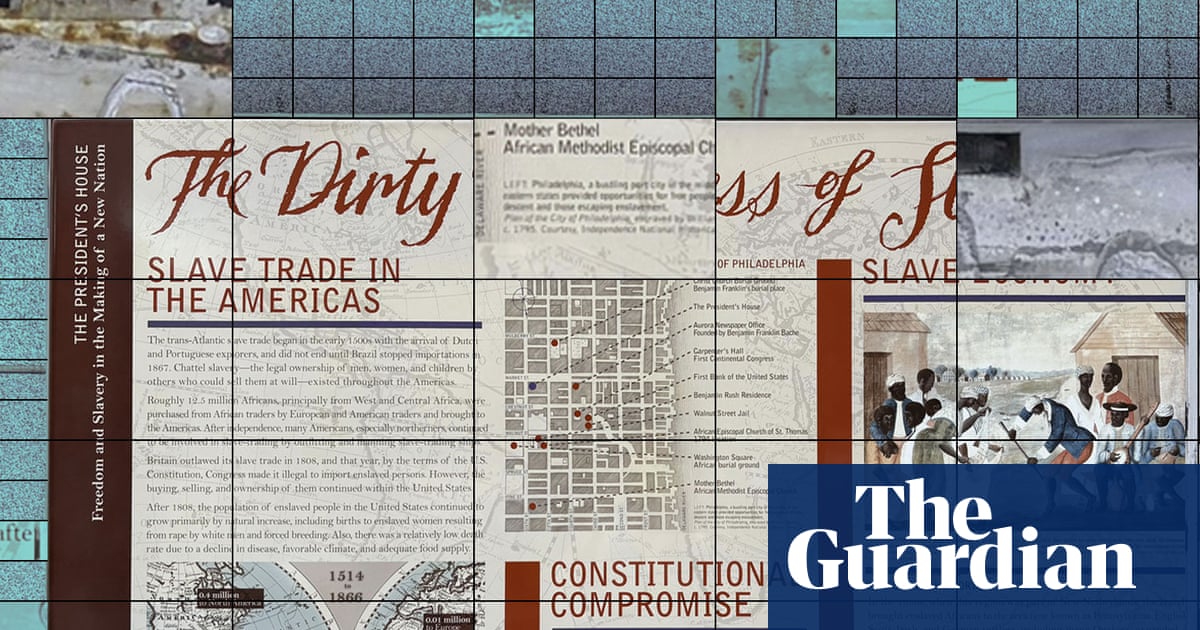
Meet the army of amateur archivists racing to save US history in national parks
Save Our Signs aims to document every sign in the more than 400 national parks and historic sites across the country before the Trump administration removes them
The East Bay out : a personal guide to the East Bay regional parks : Margolin, Malcolm
Search the history of more than 1 trillion web pages.

Ocean Park: Libraries roiled by ‘no rainbow’ fight
OCEAN PARK — Timberland Regional Library (TRL) Board President Brian Mittge listened to nearly three hours of public comment in Ocean Park Wednesday, June 24, from his fellow board members […]


State of Conservation Technology | WILDLABS
Explore insights from the first community-sourced assessment of the State of Conservation Technology

Organic Act of 1916 - Great Basin National Park (U.S. National Park Service)
Official websites use .govA .gov website belongs to an official government organization in the United States.
Passport To Your National Parks®
What’s a “cancellation”? What should I do if a national park visitor center is closed and I can’t get my cancellation? Where can I purchase a Passport?

Assessing nature's contributions to people
Recognizing culture, and diverse sources of knowledge, can improve assessments , A major challenge today and into the future is to maintain or enhance beneficial contributions of nature to a good quality of life for all people. This is among the key motivations of the Intergovernmental Science-Policy Platform on Biodiversity and Ecosystem Services (IPBES), a joint global effort by governments, academia, and civil society to assess and promote knowledge of Earth's biodiversity and ecosystems and their contribution to human societies in order to inform policy formulation. One of the more recent key elements of the IPBES conceptual framework ( 1 ) is the notion of nature's contributions to people (NCP), which builds on the ecosystem service concept popularized by the Millennium Ecosystem Assessment (MA) ( 2 ). But as we detail below, NCP as defined and put into practice in IPBES differs from earlier work in several important ways. First, the NCP approach recognizes the central and pervasive role that culture plays in defining all links between people and nature. Second, use of NCP elevates, emphasizes, and operationalizes the role of indigenous and local knowledge in understanding nature's contribution to people.

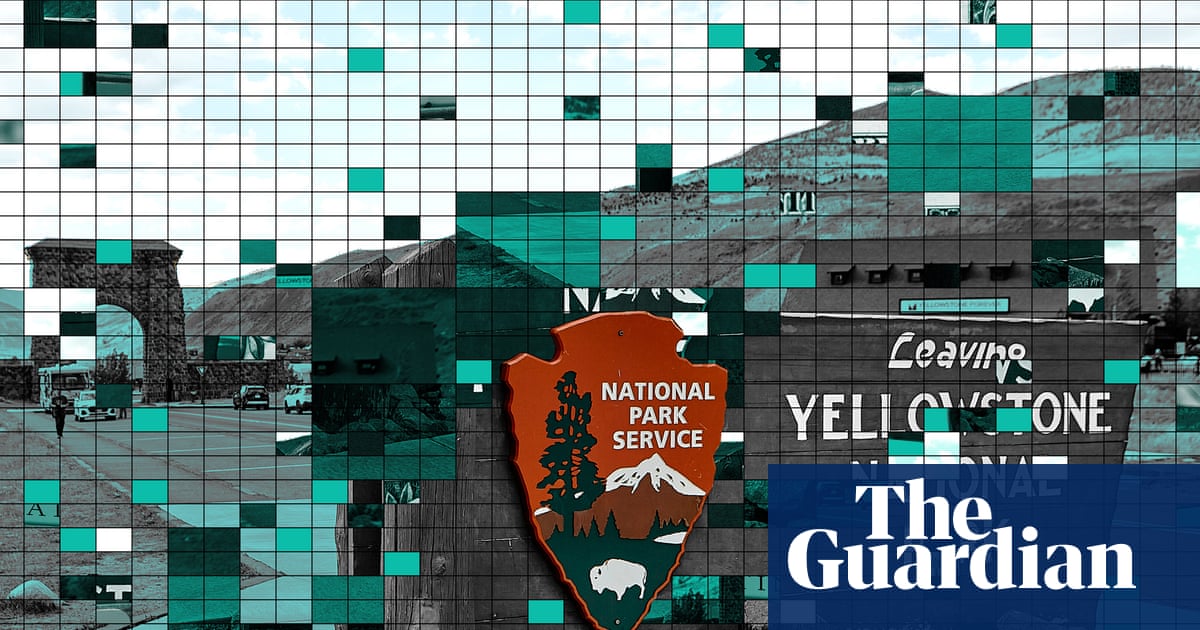
‘A sanitized view of America’: inside Trump’s campaign to erase US history from national parks
Critics say the Trump administration is trying to rewrite and whitewash history by removing and altering scores of signs on public lands
Forest Practices Code of British Columbia Act -- FOREST RECREATION REGULATION
Part 4 — Use of Recreation Sites, Recreation Trails, Interpretive Forest Sites and Wilderness Areas
GainForest — Biodiversity Observations & Nature Projects
Explore field observations, biodiversity records, and nature projects from communities and organizations using GainForest.
GainForest — Biodiversity Observations & Nature Projects
Explore field observations, biodiversity records, and nature projects from communities and organizations using GainForest.
GainForest — Biodiversity Observations & Nature Projects
Explore field observations, biodiversity records, and nature projects from communities and organizations using GainForest.
Last year, the Trump administration launched a sweeping campaign to censor American history and science in the National Park Service. A crowdsourced project aims to document every sign in the more than 400 national parks and historic sites across the country before the government removes them 🧵
