


Open-source software is ubiquitous, supporting artificial intelligence, data science, cloud computing, telecommunications and scientific research tools. Despite these benefits, the number of open-source developers is relatively small, and many projects lack sufficient resources, slowing the pace of innovation and making maintenance difficult. In addition, weaknesses in open-source software, such as security flaws, supply chain risks or insider threats, can spread across many connected systems. In extreme cases, these weaknesses could lead to large-scale failures that affect national or global systems.
The crusade against open-source abuse | TechCrunch
There’s a dark cloud on the horizon. The behavior of cloud infrastructure providers threatens the viability of open source. Thankfully, several leaders have mobilized to propose multiple solutions.

Anthony Fu
It’s not a secret that open-source projects are now a critical part of almost every software project. While most open-source projects are maintained by volunteers, the sustainability of these projects becomes a big concern. The recent xz/liblzma vulnerability accident is a great example that shows the importance of open-source projects and how severe the problem could be.
A plan for open source software maintainers
It seems to me that this is a case where problems are in fact solutions to other problems. To wit:
The Missing Middle of Open Source
Why serious, maintainer-driven projects struggle to sustain themselves—and what it will take to fix it.
Open Source Business Model is Under Siege [Video Insights]
This post is about about the existential threat that Open Source Database companies, or any open source software infrastructure, are facing from cloud vendors like Amazon Web Services, Google Cloud, and Microsoft Azure. Watch the video as Paul Dix, Fou...
Ecosystem Mapping — Open Tech Strategies | Blog
All the power of open source comes from throwing in with your neighbors, even the neighbors you don't like very much. For most projects, the main reason to get involved in open source is to create productive relations with as many participants as possible, including rivals. Doing this well requires understanding who is in your ecosystem and how they relate to each other.
How open-source software took over the world | TechCrunch
It was just five years ago that there was an ample dose of skepticism from investors about the viability of open source as a business model. Fast-forward to today and we’ve witnessed the growing excitement in the space.
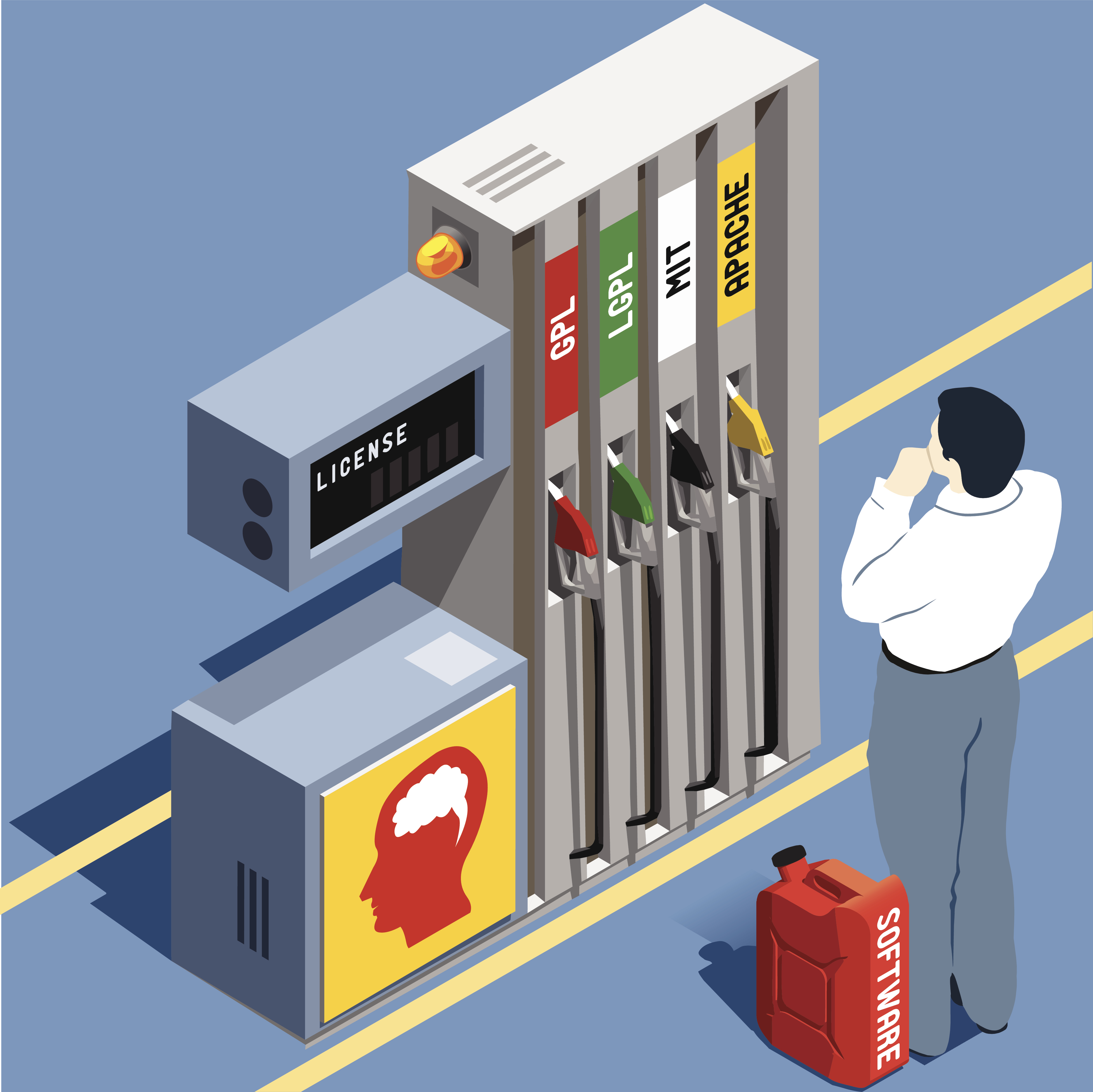
Open source and the software supply chain
Managing something as esoteric as resources for building software with a variety of contributions made by the open source community is more amorphic.

Embrace Open Source, For the Good of Nerdmanity | Fortune
More businesses are willing to use open source software for key projects.

The shape of open source
At its core, open source is about collaboration. Whether it’s version control, licenses, or issue trackers—everything exists to support people working with each other. Open source embodies a model for…

AI creates asymmetric pressure on Open Source
How Open Source communities can adapt to AI-generated contributions without overwhelming Open Source maintainers


Open Source is Broken
The Open Source movement, as championed by the OSI, prizes absolute openness above all other concerns...

Open Source is Broken
The Open Source movement, as championed by the OSI, prizes absolute openness above all other concerns...
AI-SLOP: Develop best current practises for Open Source maintainers · Issue #178 · ossf/wg-vulnerability-disclosures
Open source projects are increasingly facing a wave of low-quality, AI-generated vulnerability reports and contributions—commonly referred to as "AI-slop." This issue aims to develop best...