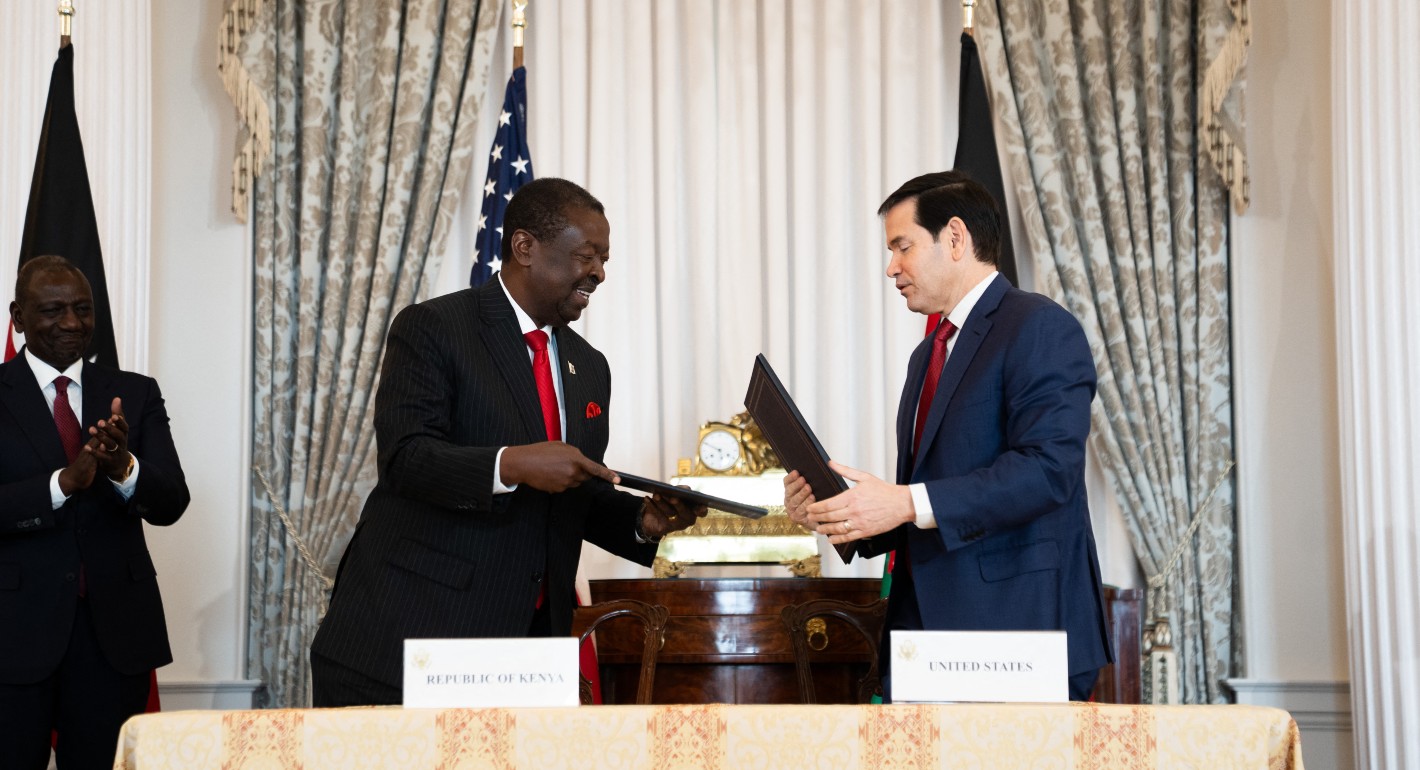
For over two decades the Registry researchers have been tracking health trends, investigating emerging health conditions, and identifying gaps in care among people affected by 9/11.
Toxins and Health Impacts: Health Effects of 9/11 - WTC Health Program
This online exhibition, developed by the World Trade Center (WTC) Health Program in partnership with the David J. Sencer CDC Museum, examines the ongoing health effects linked to 9/11 exposures and the emergence of WTC-related health conditions. It also explores the events and advocacy that established the WTC Health Program and research achievements that have led to improvements in medical treatment and knowledge.
Cancer’s toll on 9/11 survivors is accelerating 25 years later
The number of victims receiving aid has tripled in recent years, a Post analysis finds, as the illness’s toll becomes more apparent.

About Us - 9/11 Health Watch
Why do we need a 911 Health Watch? Even with the passage of the James Zadroga 9/11 Health and Compensation Act in 2010, and the law’s reauthorization in 2015, 2019, and the 2026 full funding of the World Trade Center Health Program, there is still much that needs to be done to ensure the Federal […]

The Other Victims of 9/11
Twenty-five years after the attack, tens of thousands of people have gotten sick. I am one of them.
US Domestic Policy Dashboard - Impact Counter | Impact Counter
Explore US domestic policies and their impact on public health across all branches of government.
How 9/11 changed the way America surveils its citizens • Stateline
The terrorist attacks of Sept. 11, 2001, transformed how American intelligence and law enforcement agencies collect, share and analyze information. Twenty-five years later, that infrastructure has merged with a digital world capable of generating vast amounts of data about Americans — and artificial intelligence is making it easier to connect and analyze that information. The result is a surveillance system far more powerful than anything imaginable in 2001, raising new questions about privacy, policing and civil liberties.


Avoidable mortality, risk factors and policies for tackling noncommunicable diseases – leveraging data for impact: monitoring commitments in the WHO European Region ahead of the Fourth United Nations High-Level Meeting
The report notes that, in order to tackle NCDs and address the commercial, social, environmental and digital determinants of health, there is a need for accelerated multisectoral whole-of-government and whole-of-society action, integrated policies, enhanced preventive measures and strengthened health systems.

9/11 health program recruits patients exposed to Ground Zero as kids, young adults
The search is on for those who have since developed health conditions related to their proximity to the site.

Home | Your Local Epidemiologist
Join 365k+ readers getting accurate, unfiltered, and easy-to-digest information on the rapidly changing public health landscape, so you can feel secure in making important health decisions for you and your family.
.png)
AI linked to explosion of low-quality biomedical research papers
Analysis flags hundreds of studies that seem to follow a template, reporting correlations between complex health conditions and single variables based on publicly available data sets.

Opinion | 9/11 took Islamophobia mainstream in America – and things have only gotten worse
Although I have always had kind and mostly tolerant neighbors, the effects of widespread Islamophobia have touched my life intimately.

Mayor Mamdani releases 170K documents related to post-9/11 air quality
The Mamdani administration said the public was misled about health risks after the attacks.

Why Do Americans Have Shorter Life Expectancy and Worse Health Than Do People in Other High-Income Countries?
Americans lead shorter and less healthy lives than do people in other high-income countries. We review the evidence and explanations for these variations in longevity and health. Our overview suggests that the US health disadvantage applies to multiple mortality and morbidity outcomes. The American health disadvantage begins at birth and extends across the life course, and it is particularly marked for American women and for regions in the US South and Midwest. Proposed explanations include differences in health care, individual behaviors, socioeconomic inequalities, and the built physical environment. Although these factors may contribute to poorer health in America, a focus on proximal causes fails to adequately account for the ubiquity of the US health disadvantage across the life course. We discuss the role of specific public policies and conclude that while multiple causes are implicated, crucial differences in social policy might underlie an important part of the US health disadvantage.

Google AI Overviews put people at risk of harm with misleading health advice
Exclusive: Inaccurate information presented in summaries, Guardian investigation finds

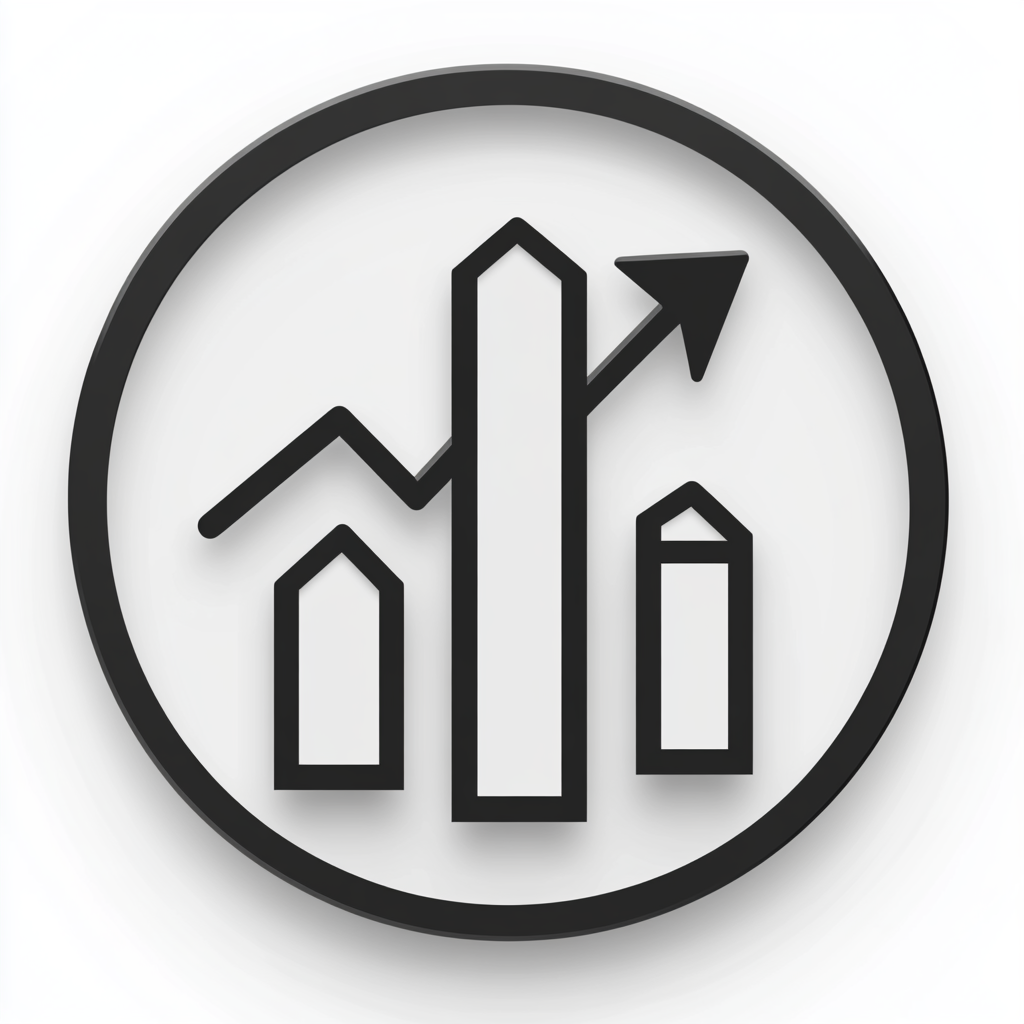
Kenya’s Health Deal Is a Stress Test for the America First Global Health Strategy
U.S. agreements must contend with national data protection laws to make durable foreign policy instruments.