


If the effects of exercise could be put in a pill and prescribed, it would be rightly hailed as an almost miraculous cure. So get off the couch.
There's even more evidence that one type of exercise is the closest thing we have to a miracle drug
Aerobic exercise, which raises your heart rate for a sustained period, is "key for your head, just as it is for your heart," researchers say.
Scientists Like Me Knew There Was Something Amiss With Andrew Huberman’s Wildly Popular Podcast
He recommends supplements. He’s iffy on the flu shot. And more.

Sanitizing the Psychedelic Revolution
Big Pharma is rushing to monetize ancient healing practices, but what’s left might not be the same medicine

What Patients Say Works (And Doesn't) for Migraines
For the live-updated, fully-labelled, interactive version of this infographic, click here. Eight of the top ten patient-reported treatments for Migraine are simple lifestyle changes, not drugs. CureTogether – a free resource owned by 23andMe that allows people to share information about their health and treatments – surveyed more than 6,000 people who self-identify as having […]
A Dose of a Hallucinogen From a ‘Magic Mushroom,’ and Then Lasting Peace (Published 2016)
Two studies used psilocybin to see if the drug could reduce depression and anxiety in cancer patients. The results were striking.

Nikhil Krishnan on Twitter / X
yeah there used to be a company called Eureka that powered these types of observational, more lifestyle style studies (here's an example looking at coffee's effect on different biomarkers/conditions)https://t.co/urQRvTVTb7I think it can work if you have enough people in…— Nikhil Krishnan (@nikillinit) September 14, 2025
Electric Cloud - Naturally Lifted With CBD & Adaptogens™
0g sugar. no nasties. Discover the most delicious mood-lifting beverage made with CBD and adaptogens designed to lift and level the mind. Made by mixologists it's naturally uplifting, helping you find your focus and feel your best throughout the day. Non-GMO, gluten-free, paleo, vegan, keto-friendly and all-natural.
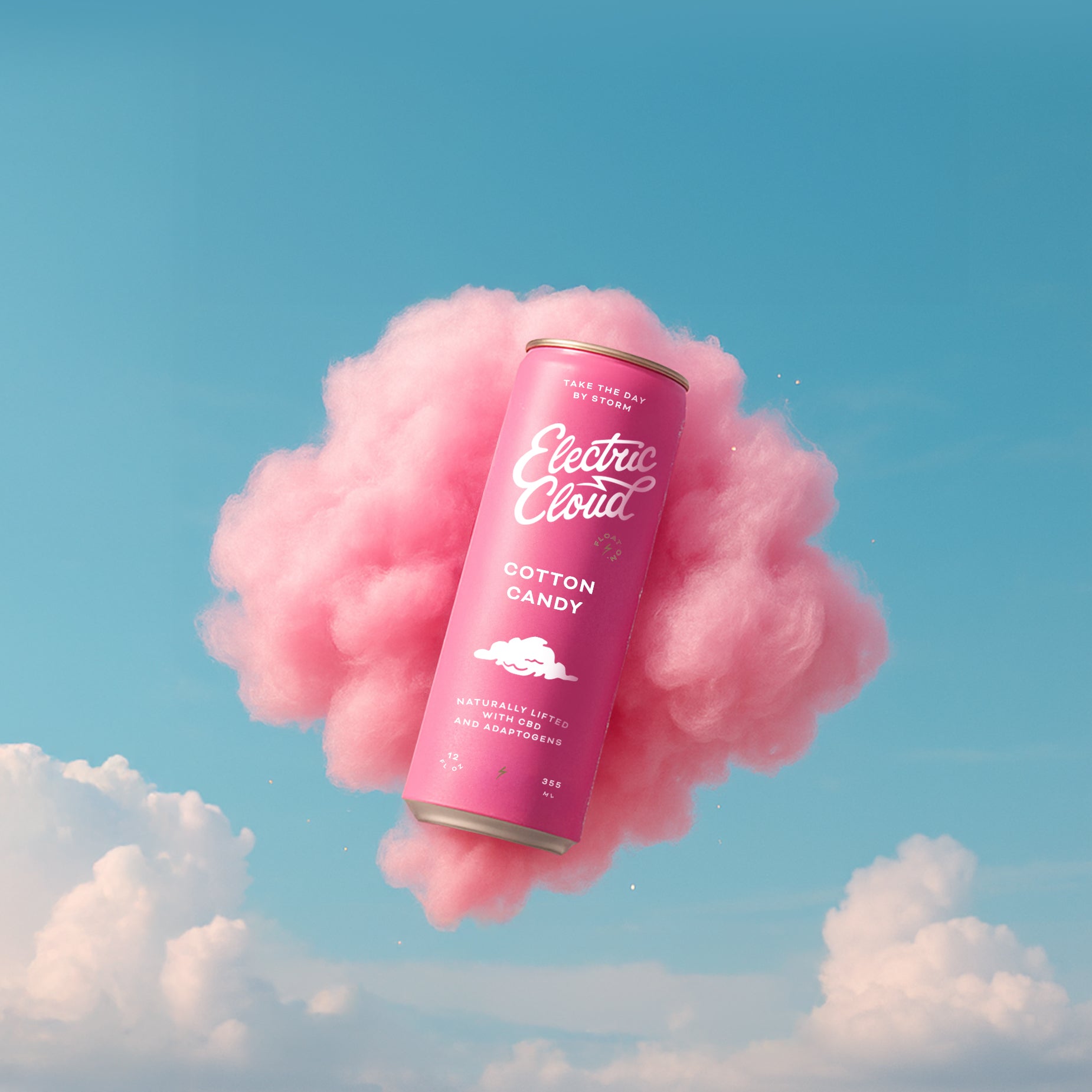
UCLA discovers first stroke rehabilitation drug to repair brain damage
A new study by UCLA Health has discovered what researchers say is the first drug to fully reproduce the effects of physical stroke rehabilitation in model mice.

How to Gamify Wellness Without Missing the Point | Built In
SuperBetter designed a game to support healthy real-world habits. Here’s how its designers combine UX with behavioral science.

I’m going to cure my girlfriend’s brain tumor.
Launch of an experiment to use AI-Scientists to accelerate research of a "solved" disease.

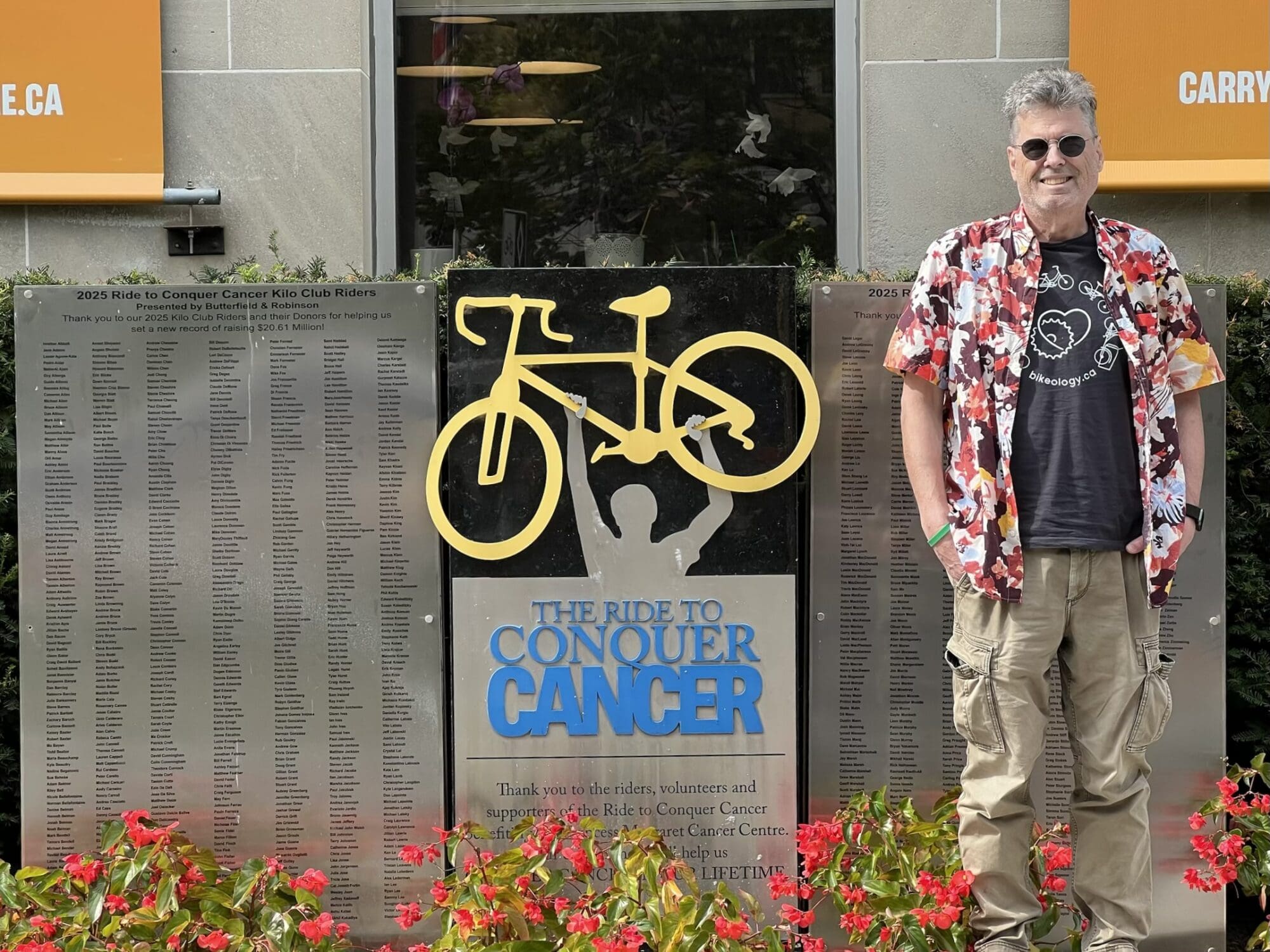
Tackling Cancer on a Brompton Folding Bicycle
The only thing worse than having cancer is having cancer and having to drive on awful Highway 401 to get treatment. I quickly concluded that a Brompton Electric G Line would be a great fit for me.
The Dark Side Of Inhaling Rare Xenon Gas | VICE | Blueprint

How tiny experiments can set you free | Anne-Laure Le Cunff | TEDxNashville | Transcript
When Dr Anne-Laure Le Cunff was told she might die, her first instinct was to check her calendar. In this talk, she reveals how our desperate need for control keeps us stuck and how tiny experiments can set us free. Dr Anne-Laure Le Cunff is a neuroscientist, author, and entrepreneur who studies curiosity – both in the lab and in life. Her research at King’s College London explores how our brains seek, learn, and adapt, spanning areas from ADHD to AI and mental health. She founded Ness Labs, a science-based learning platform helping people live more experimental lives. Her bestselling book Tiny Experiments offers a practical guide to transforming uncertainty into curiosity, creativity, and self-discovery. Through her research and writing, she bridges science and everyday life, showing how curiosity can help us loosen control, embrace change, and uncover who we truly are.
Graded exercise therapy for myalgic encephalomyelitis/chronic fatigue syndrome is not effective and unsafe. Re-analysis of a Cochrane review
The analysis of the 2017 Cochrane review reveals flaws, which means that contrary to its findings, there is no evidence that graded exercise therapy is effective. Because of the failure to report harms adequately in the trials covered by the review, it cannot be said that graded exercise therapy is safe. The analysis of the objective outcomes in the trials provides sufficient evidence to conclude that graded exercise therapy is an ineffective treatment for myalgic encephalomyelitis/chronic fatigue syndrome.
