


The role that daughters play in health care has received little attention. Now experts are sounding the alarm about the toll it takes on women.
Everyday Health: Trusted Medical Information, Expert Health Advice, News, Tools, and Resources
Everyday Health inspires and empowers people to live their healthiest lives, every day, through trusted, medically reviewed information and expert health advice from the nation's leading healthcare providers and patient advocates. Learn more about health

How AI For Women’s Health Is Being Built Differently
Healthcare AI mirrors decades of gender bias. Women-led startups are rebuilding it to reduce misdiagnosis, dismissal, and fragmented care.

Barbara Ehrenreich: Why I’m Giving Up on Preventative Care
In the last few years I have given up on the many medical measures—cancer screenings, annual exams, Pap smears, for example—expected of a responsible person with health insurance. This was not base…

NYT Publishes ‘Greatest Hits’ of Bad Trans Healthcare Coverage
A recent article serves as a greatest-hits album of all of the New York Times’ problematic coverage on adolescent gender-affirming care.

WSJ News Exclusive | Google’s ‘Project Nightingale’ Gathers Personal Health Data on Millions of Americans
Google is teaming with one of the country’s largest health-care systems on an ambitious project named “Project Nightingale” to collect and crunch detailed health information of millions of Americans across 21 states.

Fix the health crisis – Victorian Socialists
Healthcare should be universal and free, not for profit. We’re fighting for fully funded public health and the expansion of free community health clinics.
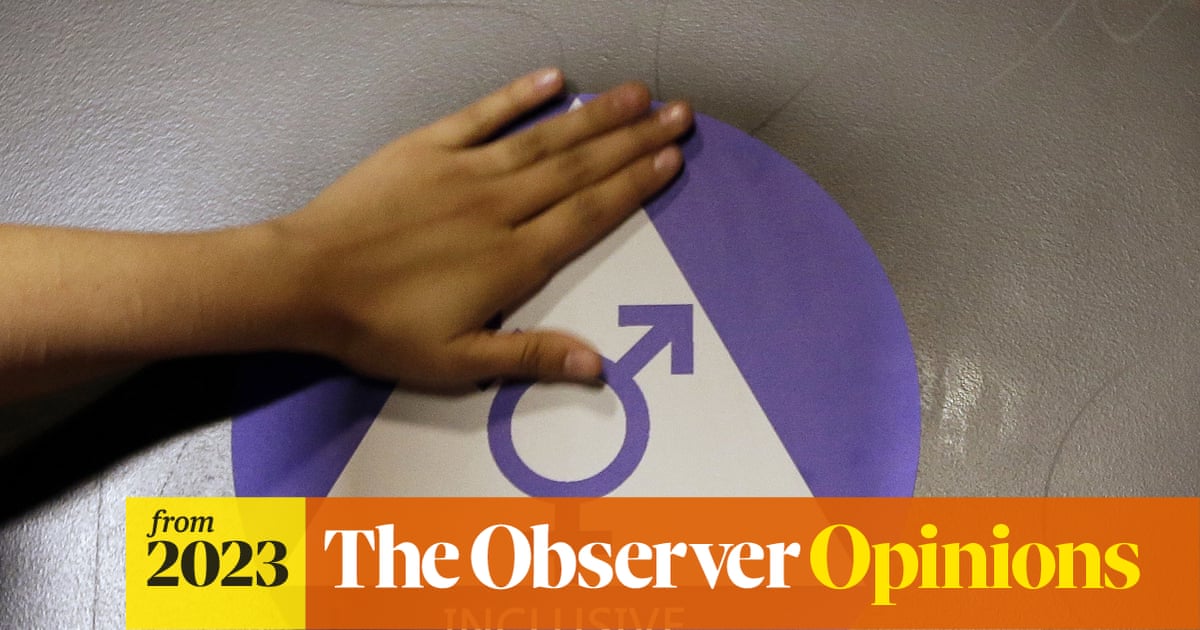
There is so much more for us to worry about than men masquerading as women to access single-sex spaces | Kathryn Bromwich
We should concentrate on what unites us, from sexual assault to healthcare inequality
Deep Care by Angela Hume | East Bay Booksellers
The story of the radical feminist networks who worked outside the law to defend abortion. Starting in the 1970s, small groups of feminist activists met regularly to study anatomy, practice pelvic exams on each other, and learn how to safely perform a procedure known as menstrual extraction, which can end a pregnancy, using equipment easily bought and assembled at home.
Majority in U.S. Still Say Gov't Should Ensure Healthcare
A majority of U.S. adults continue to think the federal government should ensure universal healthcare coverage, while they also prefer that the U.S. healthcare system be based on private insurance rather than government-run.

Improving the health of men and boys in Canada
Information about Canada’s Men and Boys’ Health Strategy, International strategies for men’s health, About men’s health in Canada, Other programs that support men's health and well-being
Parenting - Fable | Stories for everyone
Delivering the world’s best social experience with exceptional stories in service of mental wellness.

Black Women and the Care Agenda | National Partnership for Women & Families
Black women are family caregivers – and they need flexibility and economic supports to make the best decisions for themselves and their families
Opinion | Why Fathers Really Matter (Published 2012)
Modern biology is making it clearer by the day that a man’s health and well-being have a measurable impact on his future children’s health and happiness.

Health - Platform | The Australian Greens
More Victorians are putting off basic healthcare because they can’t afford it.

Why Women in Tech Are Sounding an Alarm
There wasn’t any one thing that led to the slow death of Girls in Tech, a standard-bearer nonprofit that provided Silicon Valley women with the kind of mentorship and training opportunities that men took for granted. First, the pandemic struck, and donors shifted their attention to health and ...

Most Community Health Centers Provide Prenatal Care, But One-Third Still Lack Services | HPHCI: Department of Population Medicine
Boston, MA—A new national study provides the first comprehensive look at prenatal care services offered by federally qualified health centers (FQHCs), revealing that while these safety-net providers play a critical role in caring for low-income and racially diverse pregnant populations, significant gaps in access remain.