


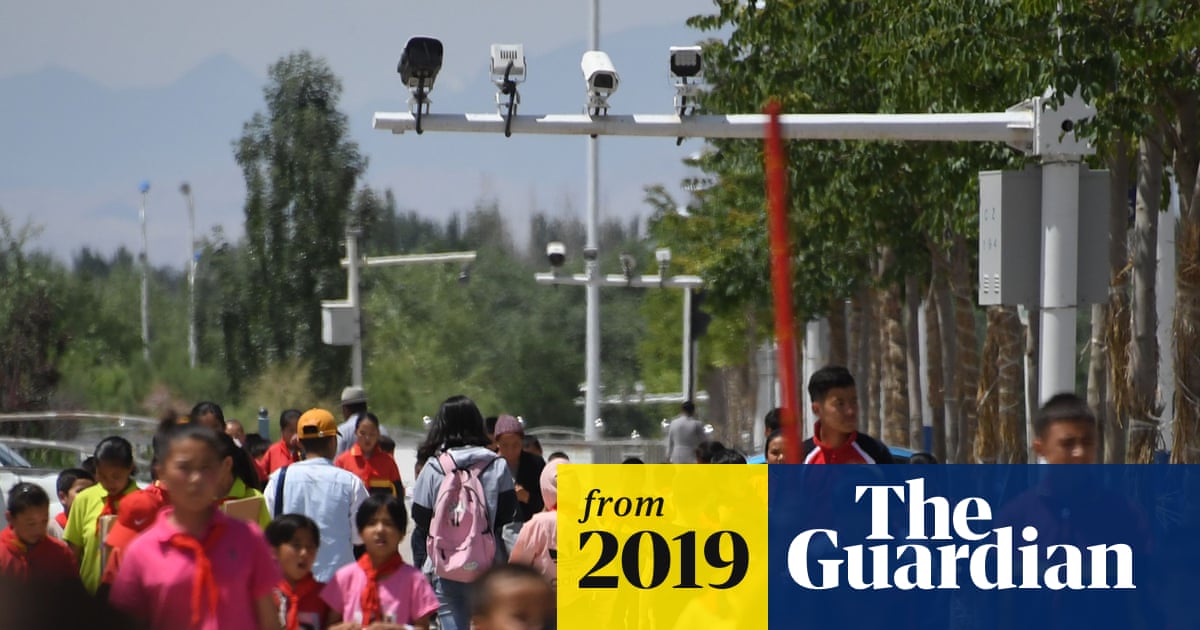
A rare chance to try on a tool of a would-be surveillance dystopia gave a glimpse of the wariness that a closely watched populace can’t hide.
A Surveillance Net Blankets China’s Cities, Giving Police Vast Powers (Published 2019)
The authorities can scan your phones, track your face and find out when you leave your home. One of the world’s biggest spying networks is aimed at regular people, and nobody can stop it.

The Dangers of Surveillance in the Age of Populism
The dangers of surveillance might seem hypothetical—but history shows us we have a lot to fear.

‘Invasive’ AI-led mass surveillance in Africa violating freedoms, warn experts
Countries across the continent have spent more than $2bn on Chinese tracking technology that is not ‘necessary or proportionate’, new report finds

State Capacity of Secret Surveillance
The state capacity-civil society tradeoff model tends to treat the “state” and “civil society” as separate entities who move to constrain one another. However, this modeling technique leaves out the nuances of individual action within a collective setting by treating each as a relative black box. This article explores this balance in the context of the surveillance state that has arisen in the 20th and 21st century. As state capacity in surveillance increases it better allows the state to respond to threats to citizens from citizens. However, the increased capacity also lessens the ability of societal pressure to check authoritarian advances even in a nation with a thriving civil society presence.
State Capacity of Secret Surveillance
The state capacity-civil society tradeoff model tends to treat the “state” and “civil society” as separate entities who move to constrain one another. However, this modeling technique leaves out the nuances of individual action within a collective setting by treating each as a relative black box. This article explores this balance in the context of the surveillance state that has arisen in the 20th and 21st century. As state capacity in surveillance increases it better allows the state to respond to threats to citizens from citizens. However, the increased capacity also lessens the ability of societal pressure to check authoritarian advances even in a nation with a thriving civil society presence.
Revealed: power and reach of China’s surveillance dragnet
How China uses technology to push its campaign against Muslim minorities beyond its own borders
Opinion | Surveillance: A Threat to Democracy (Published 2013)
Security can be achieved by less-intrusive or sweeping means, without trampling on democratic freedoms and basic rights.

The Surveillance Empire That Tracked World Leaders, a Vatican Enemy, and Maybe You
Inside the hidden world of First Wap, whose untraceable tech has targeted politicians, journalists, celebrities, and activists around the globe.

"Pushed into the Shadows": Evidencing Digital Surveillance Chilling Effects and the Erosion of the Rights to Freedom of Assembly and of Association
SummaryThe United Nations Special Rapporteur on the Rights to Freedom of peaceful assembly and of association, Gina Romero, presents "Pushed into the Shadows: Evidencing digital surveillance chilling effects and the erosion of the rights to freedom of assembly and of association". This Global Study documents the profound impact that pervasive digital monitoring exerts on fundamental public freedoms. Moving beyond traditional privacy-centric narratives, the Study details how contemporary surveillance ecosystems induce serious chilling effects.

To Repress or to Co‐opt? Authoritarian Control in the Age of Digital Surveillance
This article studies the consequences of digital surveillance in dictatorships. I first develop an informational theory of repression and co-optation. I argue that digital surveillance resolves dicta...

Vigilantism comes for Flock
More Americans than ever are destroying Flock license plate cameras amid rising backlash against the company. Is the tide turning on intrusive U.S. mass surveillance, and where does the privacy fight go next?
The Internet is a surveillance state | CNN
Bruce Schneier says our surveillance state is efficient beyond the wildest dreams of George Orwell, and consumers are given little chance to opt out

Why NSA surveillance scares me
Nothing To Hide explains why you should care about surveillance even though you have nothing to hide. But it missed the point that most con...
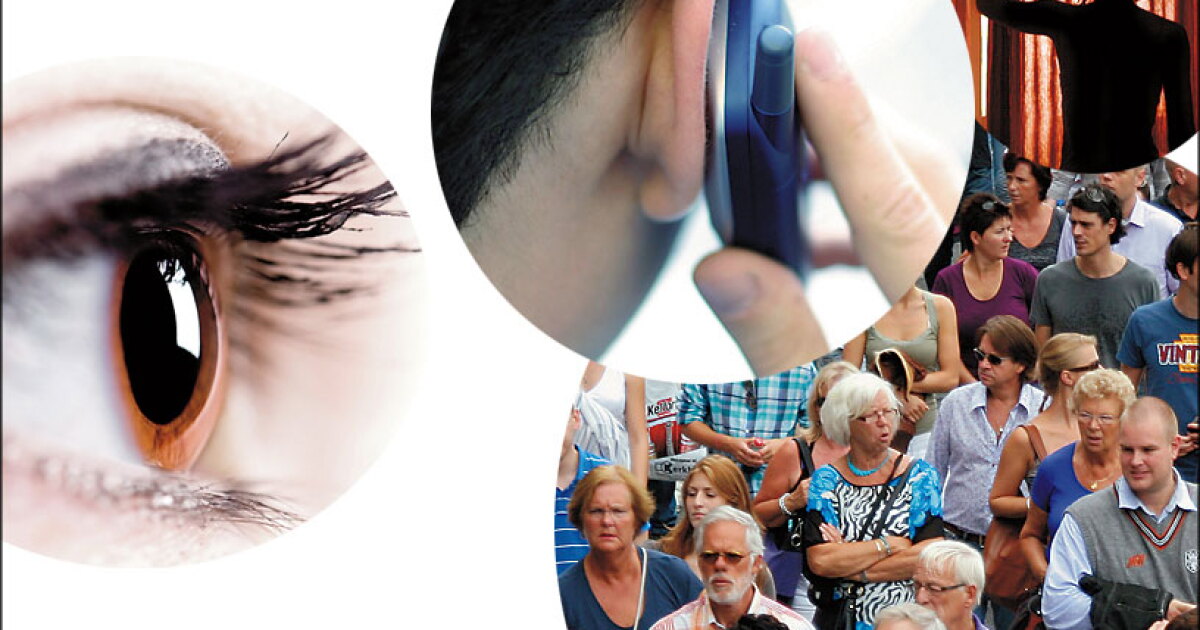
Why Privacy Matters Even if You Have ‘Nothing to Hide’
What’s the problem with ubiquitous surveillance? Don’t think Orwell; think Kafka.
Why Privacy Matters Even if You Have ‘Nothing to Hide’
What’s the problem with ubiquitous surveillance? Don’t think Orwell; think Kafka.
Gazing Back at the Surveillance Cameras That Watch Us (Published 2018)
These photographers explored the implications of a culture of pervasive monitoring.
