


Sarcopenia, a decline in skeletal muscle in older people, contributes to loss of independence.
With muscles, 'use it or lose it' rings true
New research offers convincing evidence that the 'typical' muscle loss that begins at about 40 has more to do with lack of use than aging alone
The Best Exercise for Aging Muscles (Published 2017)
Certain kinds of exercise may mitigate the effects of aging at the cellular level.

The Best Exercise for Aging Muscles (Published 2017)
Certain kinds of exercise may mitigate the effects of aging at the cellular level.
How Exercise Can Keep Aging Muscles and Immune Systems ‘Young’ (Published 2018)
Older cyclists are not like most of the rest of us. They are healthier. They are, biologically, younger.

The Strength Training Habits That Slow Aging, According to Science
Exercise is so beneficial to your health, and we're here to share the strength training habits that slow aging, according to science.
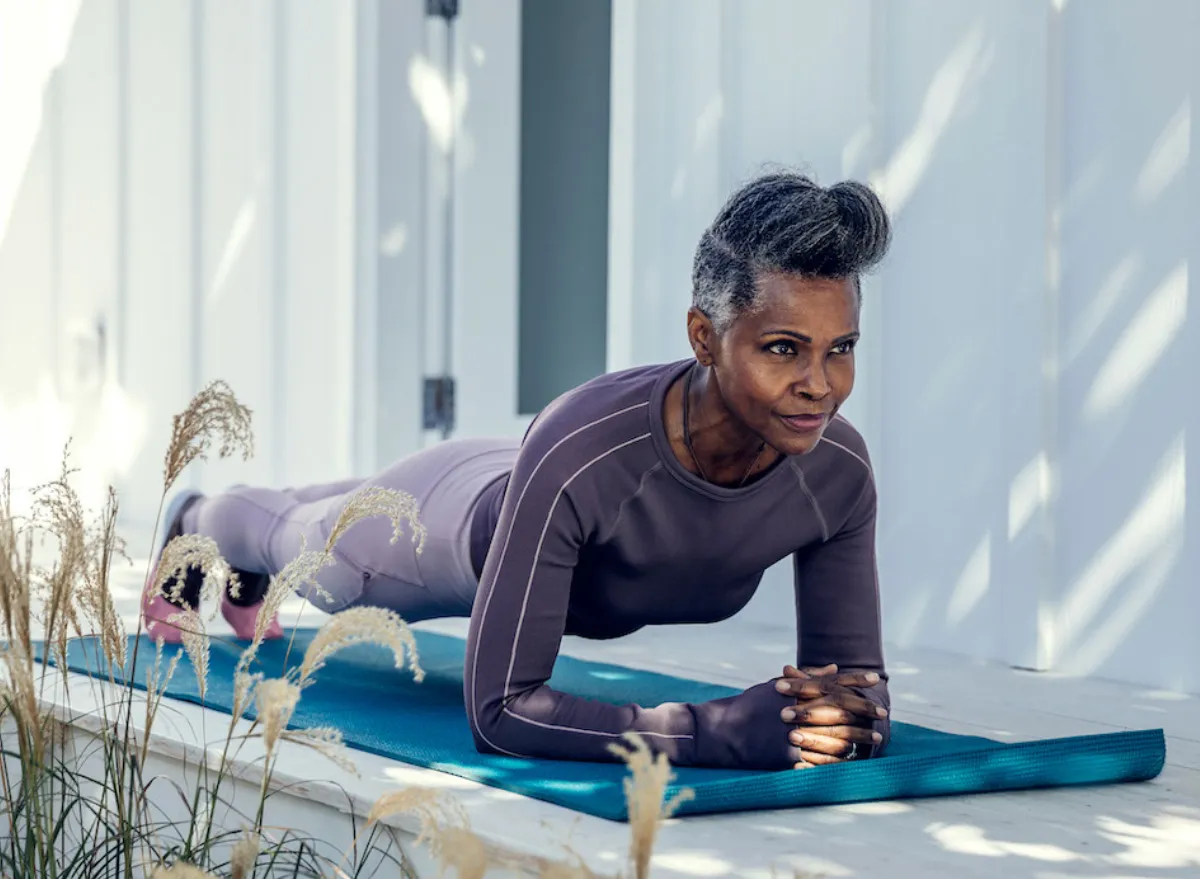
Calorie restriction in humans builds strong muscle and stimulates healthy aging genes
NIH study suggests a small reduction in daily calories is beneficial for wellness.
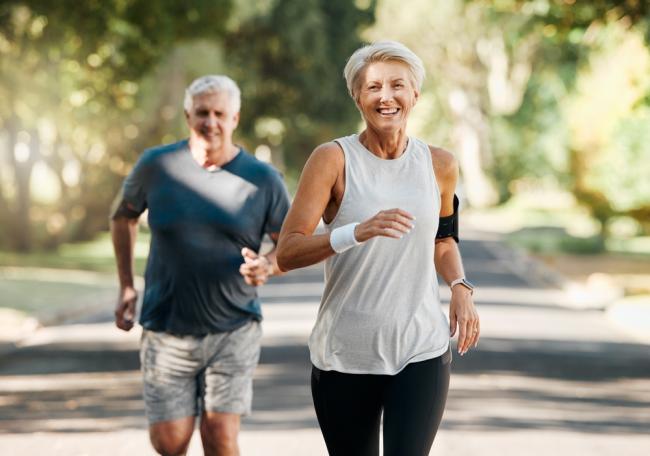
10 Best Exercises To Do in Your 50s To Slow Down Aging, Expert Says
Growing older means losing muscle mass. These exercises to slow aging in your 50s will help keep you strong and independent.
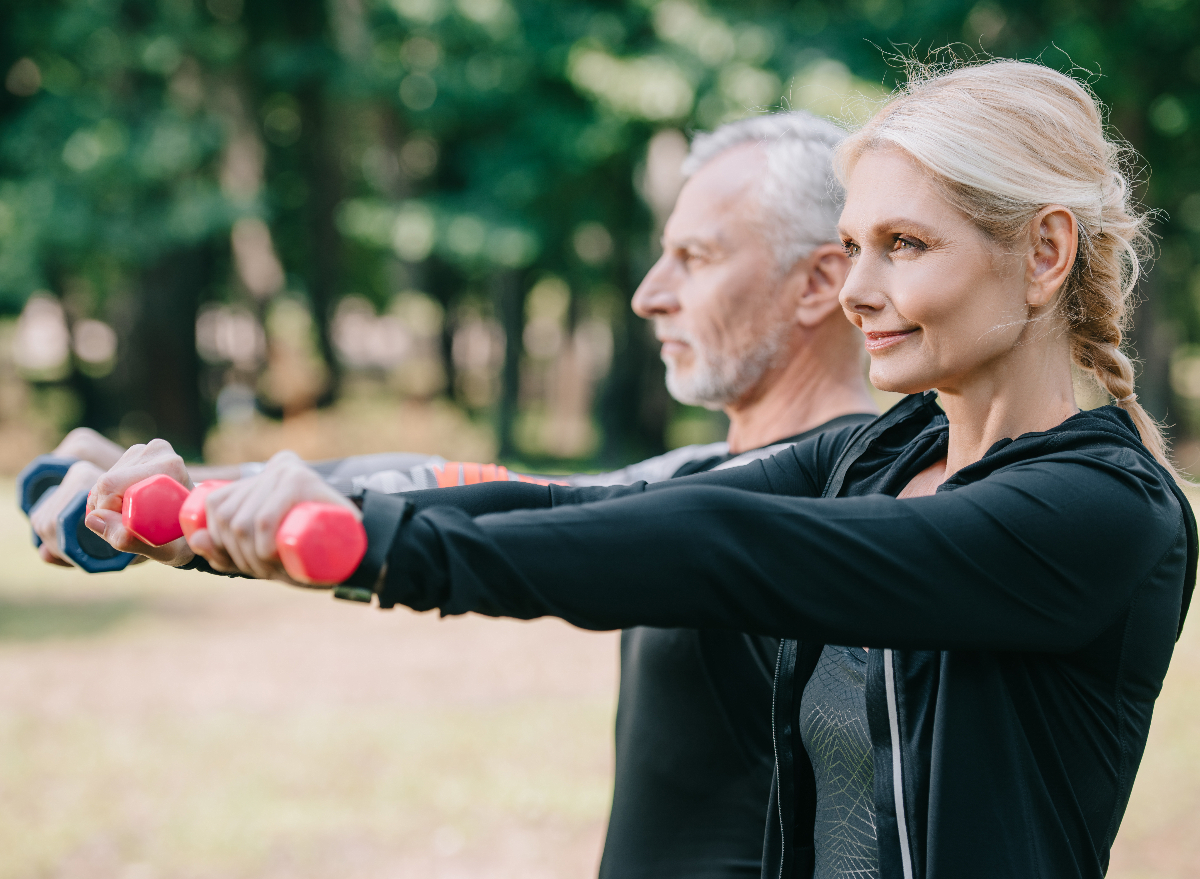
Lift your way to strength – and help your body stay young
Weightlifting isn’t just the preserve of musclebound hulks. Now women of all ages are increasingly turning to barbells as a way of staying healthy and warding off the effects of getting older

The Most Effective Exercises To Reverse Aging After 50, Trainer Says
Keeping your muscles strong and healthy is your fountain of youth, so we've rounded up the most effective exercises to reverse aging after 50.
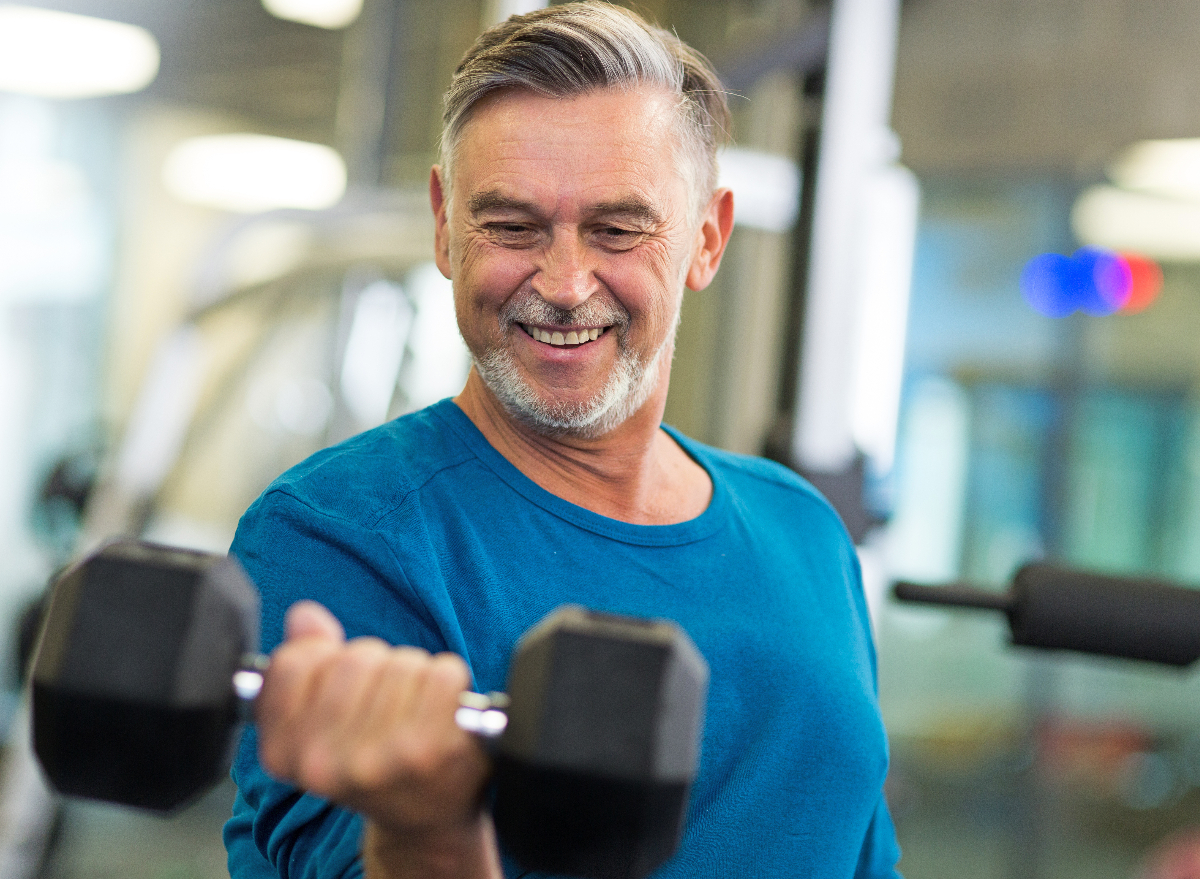
A Single Exercise Session May Slow Cancer Cell Growth, Study Finds - Slashdot
The Washington Post notes that past research "indicates that exercise helps some cancer survivors avoid recurrence of their disease." But a new study "offers an explanation of how, showing that exercise changes the inner workings of our muscles and cells, although more study is still needed..." T...
Study Reveals How Much Exercise Older Adults Need Each Week To Live Longer
New research suggests that this level of physical activity can help you extend your lifespan, improve your cognition and more.

The Shape-Shifting Power of Menopause
“I know there is a way to grow older that brings us deeply into living.”

Interactions between gut microbiota and skeletal muscle
The gut microbiota is now recognized as a major contributor to the host’s nutrition, metabolism, immunity, and neurological functions. Imbalanced microbiota (ie, dysbiosis) is linked to undernutrition-induced stunting, inflammatory and metabolic diseases, and cancers. Skeletal muscle also takes part in the interorgan crosstalk regulating substrate metabolism, immunity, and health. Here, we review the reciprocal influence of gut microbiota and skeletal muscle in relation to juvenile growth, performance, aging, and chronic diseases. Several routes involving the vascular system and organs such as the liver and adipose tissue connect the gut microbiota and skeletal muscle, with effects on fitness and health. Therapeutic perspectives arise from the health benefits observed with changes in gut microbiota and muscle activity, further encouraging multimodal therapeutic strategies.

Does Exercise Slow the Aging Process?
Almost any amount and type of physical activity may slow aging deep within our cells, and middle age may be a critical time to get the process rolling.

Ageing Accelerates at Around Age 50 - Some Organs Faster Than Others - Slashdot
A new analysis of protein changes across human tissues has identified an aging acceleration point around age 50, with blood vessels showing the most dramatic deterioration. Researchers examined tissue samples from eight body systems in 76 people of Chinese ancestry aged 14 to 68 who died from accide...

Brains of overweight people ‘ten years older’ than lean counterparts at middle-age
Our brains naturally shrink with age, but scientists are increasingly recognising that obesity – already linked to conditions such as diabetes, cancer and heart disease – may also affect the onset and progression of brain ageing; however, direct studies to support this link are lacking.
