Some think chief ethics officers could help technology companies navigate political and social questions.

The tech industry hijacking of the AI ethics research agenda and why we should reclaim it
This paper reflects on the tech industry’s colonization of the AI ethics research field and addresses conflicts of interest in public policymaking concerning AI. The AI ethics research community faces two intertwined challenges: In the first place, we have a tech industry heavily influencing the AI ethics research agenda. Secondly, cleaning up after the tech industry has implied that we have turned to value-driven design methods to bring ethics to AI design. But by framing research questions relevant to a technical practice, we have facilitated the technological solutionism behind the tech industry’s business model. Therefore, this paper takes the first steps to reshape the AI ethics research agenda by suggesting moving toward an emancipatory framework that brings politics to design while, at the same time, bearing in mind that AI is not to be treated as an inevitability. As a research community, we must focus on the repressive power dynamics exacerbated by AI and address challenges facing the vulnerable groups seldom heard, despite the fact that they are the ones most negatively affected by AI initiatives.

Abolish Silicon Valley — Livtet
Former insider turned critic Wendy Liu busts the myths of the tech industry, and offers a galvanising argument for why and how we must reclaim technology's potential for the public good. Former inside

Effective Altruism: the charitable movement influencing Silicon Valley | Front Burner | CBC Podcasts | CBC Listen
Effective altruism, a charitable movement that has become highly influential in Silicon Valley, suffered a huge blow to its reputation in 2022 — when its most famous proponent, Sam Bankman-Fried, was exposed for fraud and his FTX crypto exchange collapsed. But while it moved out of the limelight, it never went away. And when AI company Anthropic goes public next week, analysts are predicting that effective altruism-linked charitable causes could be poised to rake in tens of billions of dollars. Today, we look at the philosophical foundations of effective altruism, its many controversies, and how it influences Silicon Valley executives’ thinking and the tech they develop. Our guest is David Z Morris. He’s the Managing Editor of Zero Knowledge Media, a former reporter for Fortune Magazine, a former chief columnist at CoinDesk, and the author of Stealing the Future: Sam Bankman-Fried, Elite Fraud, and the Cult of Techno-Utopia. For transcripts of Front Burner, please visit: https://www.cbc.ca/radio/frontburner/transcripts [https://www.cbc.ca/radio/frontburner/transcripts]

Take it from the insiders: Silicon Valley is eating your soul | John Harris
Former Google and Facebook executives are sounding the alarm about the pervasive power of tech, writes Guardian columnist John Harris
On applying ethics to the LLMs and coding assistants situation
It often frustrates technologists that there isn't an algorithm for deciding ethical behavior. You can't follow a checklist or a set of rules to decide whether something's ethical or not (or you...

Democracy blindsides Silicon Valley’s power players looking to transform the world with AI
‘The push against datacenters speaks to the frustration of people who don’t feel they are making the choices in their lives’
Silicon Valley’s Politics: Liberal, With One Big Exception (Published 2017)
A new Stanford study found that the nation’s tech elite are extremely liberal on most issues — except when it comes to regulation.

Silicon Valley has a science fiction problem | Aeon Essays
Tech titans claim the genre inspired them. But all they’ve done is graft their politics onto stories of a better future


Books — Sharon Weinberger
Drawing on deep, exclusive reporting, a veteran national security correspondent reveals how a new military-industrial complex is arising from the cradle of Silicon Valley, with vast implications for American democracy and the global balance of power.Elon Musk, Peter Thiel, and Alexander Karp. These tech titans are fast becoming some of the most powerful figures in the realm of national security, with enormous implications for us all. As Sharon Weinberger reveals in this gripping account, the American military and spy agencies helped to create Silicon Valley as we now know it, and some of its biggest and most valuable companies today owe much of their success to the Pentagon and CIA. Beginning with the War on Terror and accelerating under Donald Trump, however, the old alliance between elected leaders in Washington and the unelected CEOs of Silicon Valley has grown increasingly uneasy as power has shifted to the private sector and Big Tech exerts greater and greater influence over its old patrons. Companies such as SpaceX and Palantir, along with newer entrants to the field such as Anduril, are proudly supporting—and quietly shaping—US national defense, whether by providing spies and soldiers with AI and cloud-computing tools or actual military hardware such as microwave weapons, hypersonic missiles, and advanced drones. The implications of this historic shift are poorly understood and fraught with peril. What happens when mercurial billionaires like Elon Musk control weapons and technologies that were once the preserve of the US government? How will this new military-industrial complex affect the way wars are fought, or even which wars are fought? That is the urgent question before us today, at the dawn of this new era—and as Weinberger reveals, it is one on which our collective future might well hinge.
Opinion | How Scared Should We Be of A.I. Right Now?
The dark and distressing way that Silicon Valley talks about A.I. can be traced to a philosophy that influenced many tech executives.

Who Asked For This? - Cal Newport
Last week, Elizabeth Lopatto published an insightful article in The Verge. It boasted an intriguing title: “Silicon Valley has forgotten what normal people want.” “Within ... Read more
A forty-year career.
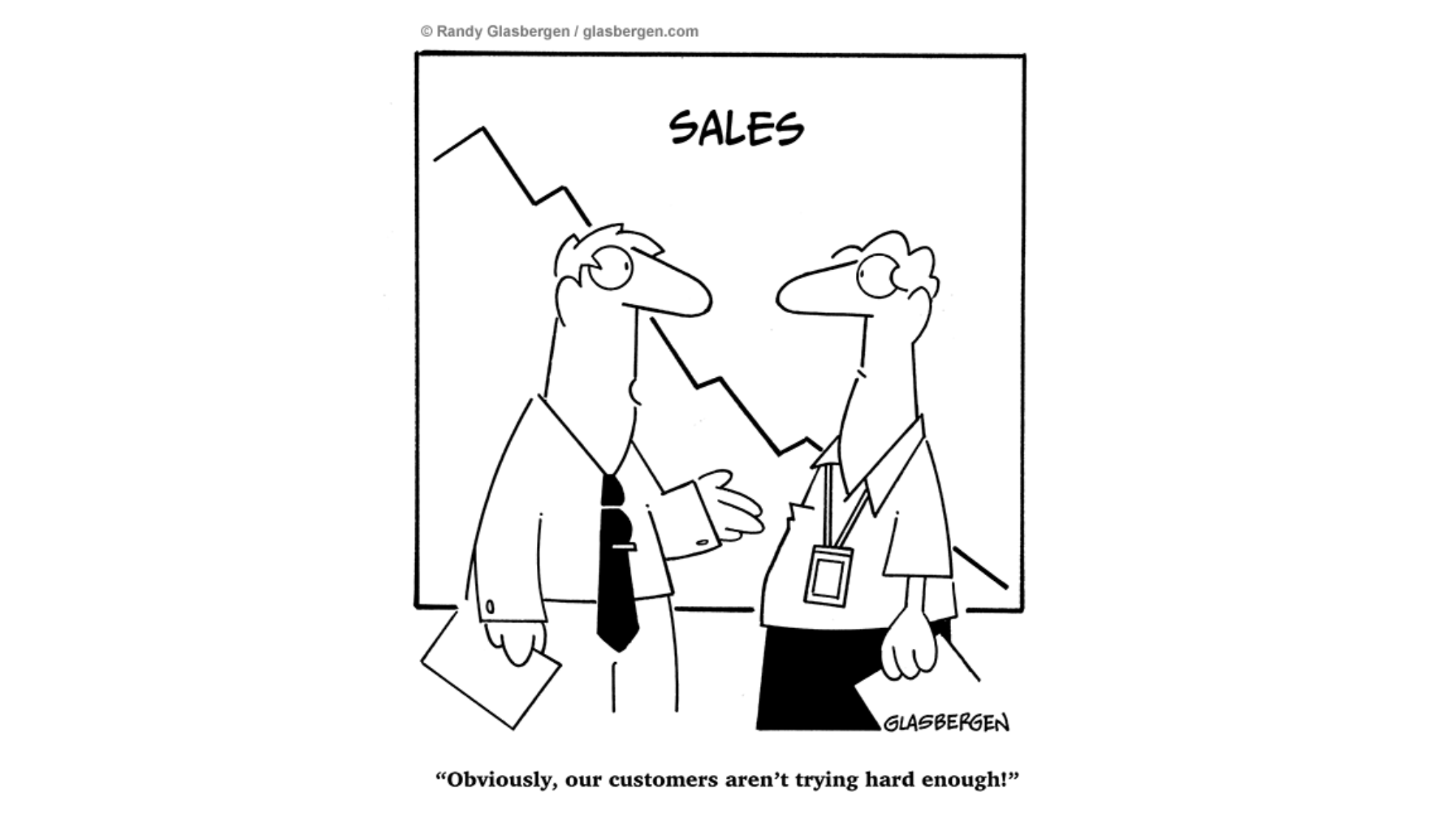
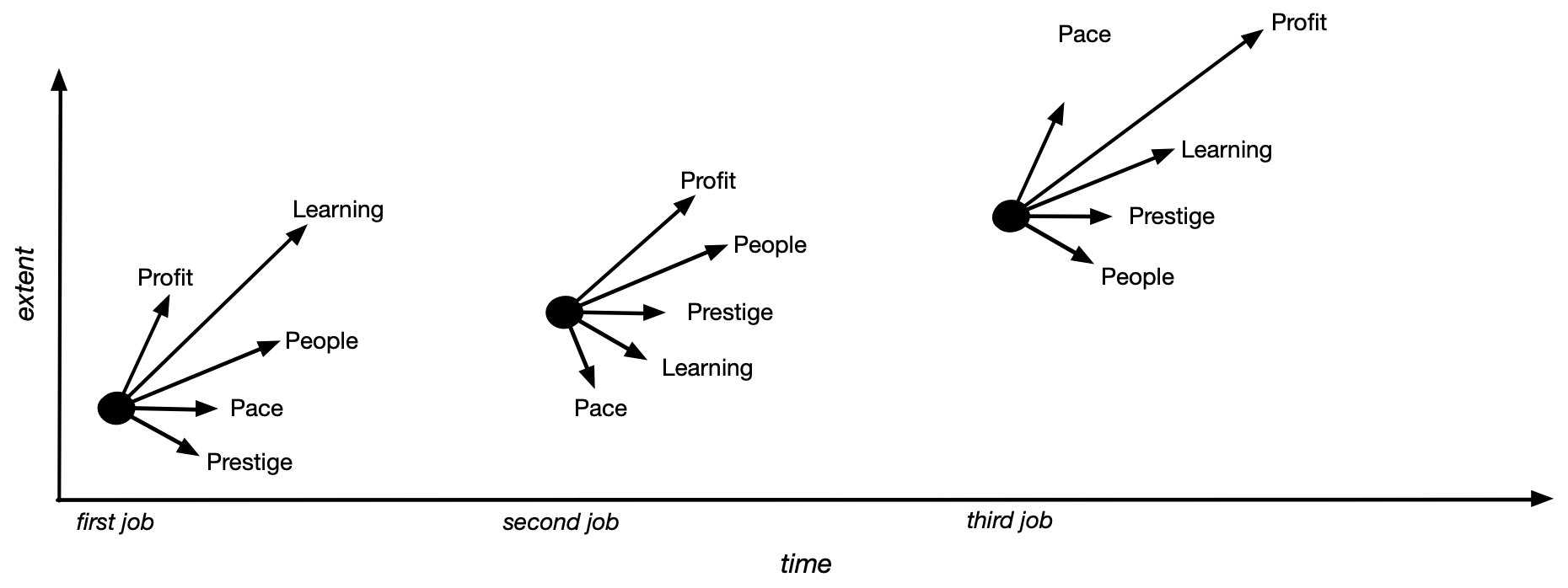
The Silicon Valley narrative centers on entrepreneurial protagonists who are poised one predestined step away from changing the world. A decade ago they were heroes, and more recently they’ve become villains, but either way they are absolutely the protagonists. Working within the industry, I’ve worked with quite a few non-protagonists who experience their time in technology differently: a period of obligatory toil required to pry open the gate to the American Dream.
All-powerful CEOs wrecked the tech industry. Here's who can save it.
To reignite innovation, Silicon Valley needs to get rid of the overpowered managers and put people who actually build the tech back in charge.