Internal documents show that the social network gave Microsoft, Amazon, Spotify and others far greater access to people’s data than it has disclosed.
Facebook Data Privacy Scandal: A Cheat Sheet - TechRepublic
Read about the saga of Facebook's failures in ensuring privacy for user data, including how it relates to Cambridge Analytica, the GDPR, the Brexit campaign, and the 2016 US presidential election.
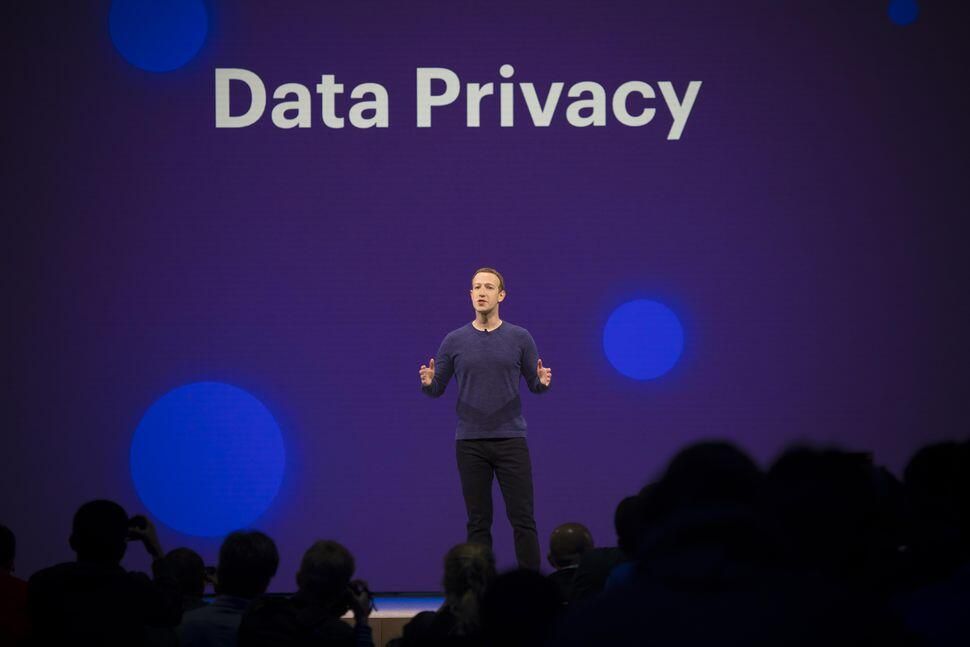
Facebook’s Privacy Cake
Mark Zuckerberg’s announcement of A Privacy-Focused Vision for Social Networking is not some dramatic pivot: it is a growth opportunity for Facebook and a challenge for regulators.

Opinion | Zuckerberg’s So-Called Shift Toward Privacy (Published 2019)
Facebook is happy to protect user data when doing so decreases the company’s civic responsibilities — but not when it threatens advertising revenue.

Facebook Wrestles With the Features It Used to Define Social Networking (Published 2021)
Likes and shares made the social media site what it is. Now, company documents show, it’s struggling to deal with their effects.

Once Again, Facebook Is Using Privacy As A Sword To Kill Independent
Facebook claims that their role as guardian of users’ privacy gives them the power to shut down apps that give users more control over their own social media experience. Facebook is wrong. The latest
Criticism of Facebook
Facebook (and parent company Meta Platforms) has been the subject of criticism and legal action since it was founded in 2004.[1] Criticisms include the outsize influence Facebook has on the lives and health of its users and employees, as well as Facebook's influence on the way media, specifically news, is reported and distributed. Notable issues include Internet privacy, such as use of a widespread "like" button on third-party websites tracking users,[2][3] possible indefinite records of user information,[4] automatic facial recognition software,[5][6] and its role in the workplace, including employer-employee account disclosure.[7] The use of Facebook can have negative psychological and physiological effects[8] that include feelings of sexual jealousy,[9][10] stress,[11][12] lack of attention,[13] and social media addiction that in some cases is comparable to drug addiction.[14][15]
Facebook pays teens to install VPN that spies on them | TechCrunch
Desperate for data on its competitors, Facebook has been secretly paying people to install a "Facebook Research" VPN that lets the company suck in all of

The Facebook Files
Facebook knows, in acute detail, that its platforms are riddled with flaws but hasn’t fixed them. That’s a key finding of a Journal series that launched this week, based on an array of internal company documents. Read all the stories here.
553,000,000 Reasons Not to Let Facebook Make Decisions About Your
Another day, another horrific Facebook privacy scandal. We know what comes next: Facebook will argue that losing a lot of our data means bad third-party actors are the real problem that we should
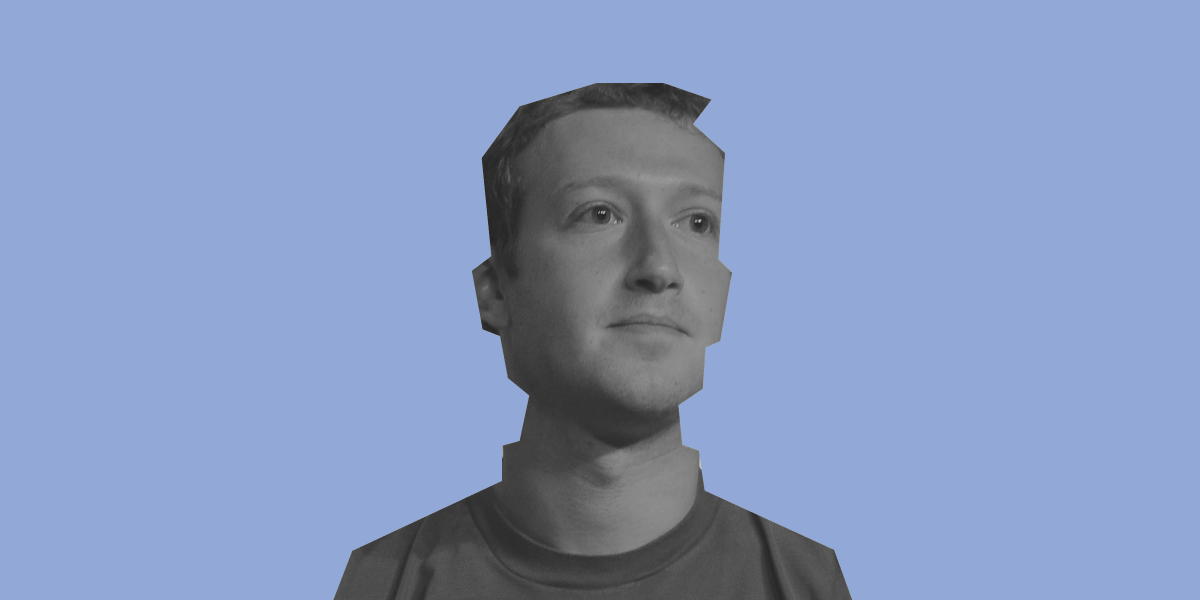
Delay, Deny and Deflect: How Facebook’s Leaders Fought Through Crisis (Published 2018)
Russian meddling, data sharing, hate speech — the social network faced one scandal after another. This is how Mark Zuckerberg and Sheryl Sandberg responded.

Can We Build a Better Facebook? - JSTOR Daily
Is it time to turn our back on Facebook? And if so, what social network could possibly replace it?

The Internet Isn’t Facebook: How Openness Changes Everything
Openness makes the Internet harder to govern — but also makes it resilient, innovative, and difficult to capture. Let's look at how the openness of the Internet both defines it and ensures its success.

How to Fix Facebook—Before It Fixes Us
An early investor explains why the social media platform’s business model is such a threat—and what to do about it.

One Response to the Cambridge Analytica Scandal: Block Facebook's
With Facebook in a dominant position in hosting a huge portion of the world’s social conversation, we’ve been worried about the incredible power the company has accumulated and the risks that poses
Publishers fearing Facebook dependency: fight for your future, reinvent RSS.
Right now Facebook accounts for over 40% of all traffic for U.S. news organizations, making many dependent on the social network for…

Friend of a Friend: The Facebook That Could Have Been
Why didn't the FOAF standard give us distributed social networking in the 2000s?