


Prosecutors have stepped into the void left by Congress’s failure to say how far the police can go in using investigative technology.
Opinion | Surveillance: A Threat to Democracy (Published 2013)
Security can be achieved by less-intrusive or sweeping means, without trampling on democratic freedoms and basic rights.

Judge Quashes Justice Dept. Subpoena in 2020 Election Inquiry
The ruling cast serious doubts on the department’s efforts to reinvestigate the race, finding that it was too late to bring criminal charges in the case.

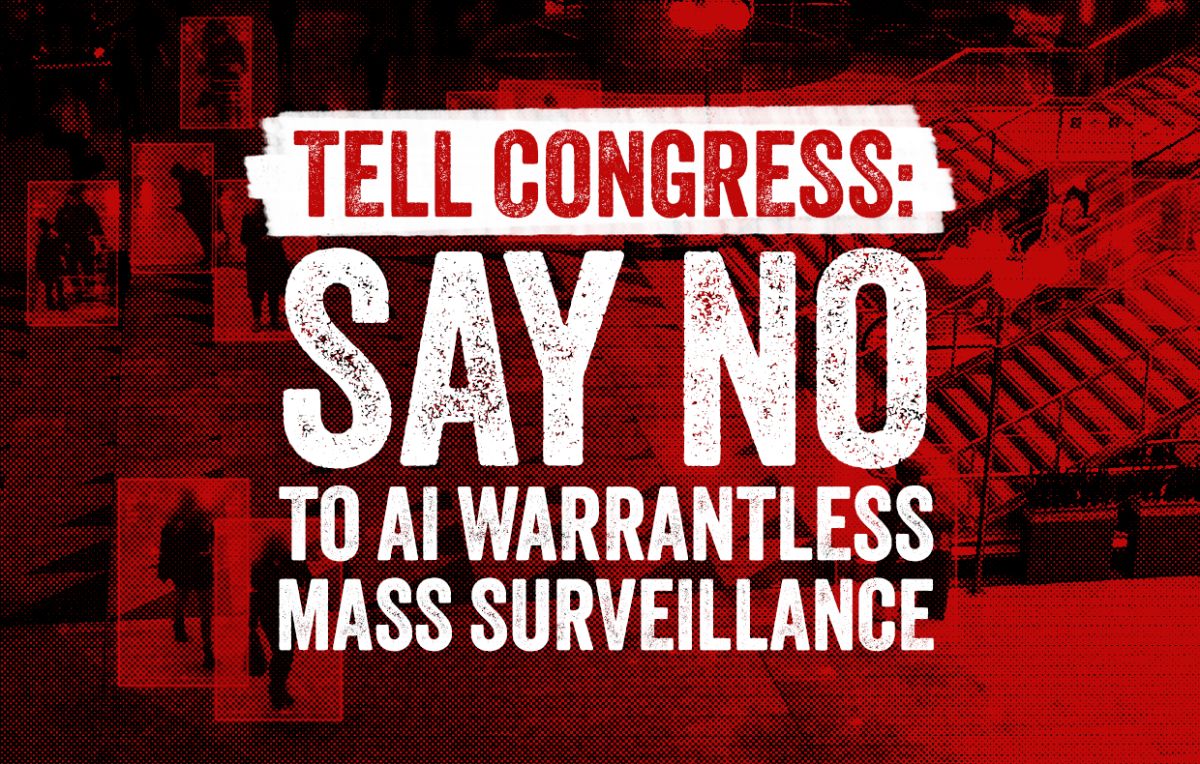
Tell Congress to Say No to Warrantless AI Mass Surveillance
The War on Terror-era legislation that authorized decades of civil liberties-eroding mass surveillance expired June 12. . Congress has a choice to make before they reauthorize this bill: will they greenlight warrantless mass surveillance of American citizens, or uphold the Constitution and prevent more of Trump's authoritarian powergrabs? Section 702 of the Foreign Intelligence Surveillance Act (FISA) was passed in 2008 as a counterterrorist measure, but has a long history of abuse from the federal government, especially when it comes to surveillance. Congress has a choice to make: Will they greenlight warrantless mass surveillance, or hold the line and reject any effort to move forward without serious privacy guardrails. FISA as it is currently written: Allows warrantless backdoor surveillance of people in and out of the country Offers little to no protections against the administration targeting critics, activists, religious minorities, or communities of color Actively chills our freedoms of speech and association Two years ago, this reauthorization legislation sailed through Congress with bipartisan support. That can’t happen again. Democratic leadership and members must hold the line for our civil liberties. And any Democrat or Republican voting for unfettered spying on US citizens should hear from their constituents. Let your Members of Congress know you expect them to reject reauthorization unless it includes significant reforms to protect our civil liberties against this authoritarian regime.
Police, Power and Privacy: Top secret RCMP files reveal digital roadblocks in terrorism, major crime cases | CBC News
Police, Power and Privacy is a special 5-part investigative series that looks at why police across the country want new powers to track tech-savvy suspects, and why privacy advocates say they should be denied.

Evidence for Justice Lab - Justice and AI Tracker
Evidence for Justice Lab - Justice and AI Tracker
Evidence for Justice Lab - Justice and AI Tracker
FBI could force us to turn on iPhone cameras and microphones, says Apple
Eddy Cue warns precedent set by San Bernardino case could lead to company being forced to turn users’ smartphones into surveillance devices

The US Government Is Hiding a Secret Court Ruling About How It Spies on Americans
Two US senators say the Trump administration is breaking the law by withholding the FISA court decision while it presses Congress to renew America’s most sweeping surveillance program.

Ad Tech Says It’s Not In The Surveillance Business. Now Is The Time To Prove It | AdExchanger
ICE wants to know how ad tech and location data could aid investigations. The question is: Will ad tech finally draw a line – or cross one?

Did CSIS break the law by spying on pipeline protesters? | CBC News
A federal committee is holding a hearing into a complaint that the Canadian Security Intelligence Service illegally spied on peaceful anti-pipeline protesters in B.C.

Britain has passed the ‘most extreme surveillance law ever passed in a democracy’
The law forces UK internet providers to store browsing histories -- including domains visited -- for one year, in case of police investigations.

Britain has passed the ‘most extreme surveillance law ever passed in a democracy’
The law forces UK internet providers to store browsing histories -- including domains visited -- for one year, in case of police investigations.
Why 'I Have Nothing to Hide' Is the Wrong Way to Think About Surveillance
Many don’t understand why they should be concerned about surveillance if they have nothing to hide. It’s even less clear in the world of 'oblique' surveillance, given that apologists will always frame our use of information-gathering services like a mobile phone plan or Gmail as a choice. if everyone’s every action were being monitored, and everyone technically violates some obscure law at some time, then punishment becomes purely selective.

