YouTube built its business on keeping users hooked. This has been a gift to extremist groups. An investigation in the company’s second-biggest market found serious consequences.
Social media, extremism, and radicalization
Fears that YouTube recommendations radicalize users are overblown, but social media still host and profit from dubious and extremist content.

Conspiracy Brokers: Understanding the Monetization of YouTube Conspiracy Theories
DOI: https://doi.org/10.1145/3485447.3512142 WWW '22: Proceedings of the ACM Web Conference 2022, Virtual Event, Lyon, France, April 2022
YouTube Just Ate TV. It’s Only Getting Started
In two decades, the app has grown from a user-generated circus into the most powerful platform on earth. CEO Neal Mohan on his $100 billion vision for YouTube’s future and the disruption it’s left in its wake.

YouTube Community goes beyond video
Your bond with your viewers is deep. You've grown up together, laughed together, and done incredible things together, from shifting attitudes about gay rights to volunteering millions of dollars toward important charitable causes. Today, we’re introducing a beta version of a new product to help strengthen the bond between you and your viewers, called YouTube Community.

The rise of YouTube’s reactionary right
How demographic change and YouTube’s algorithms are building a new right.

Bias, Skew, and Search Engines Are Sufficient to Explain Online Toxicity
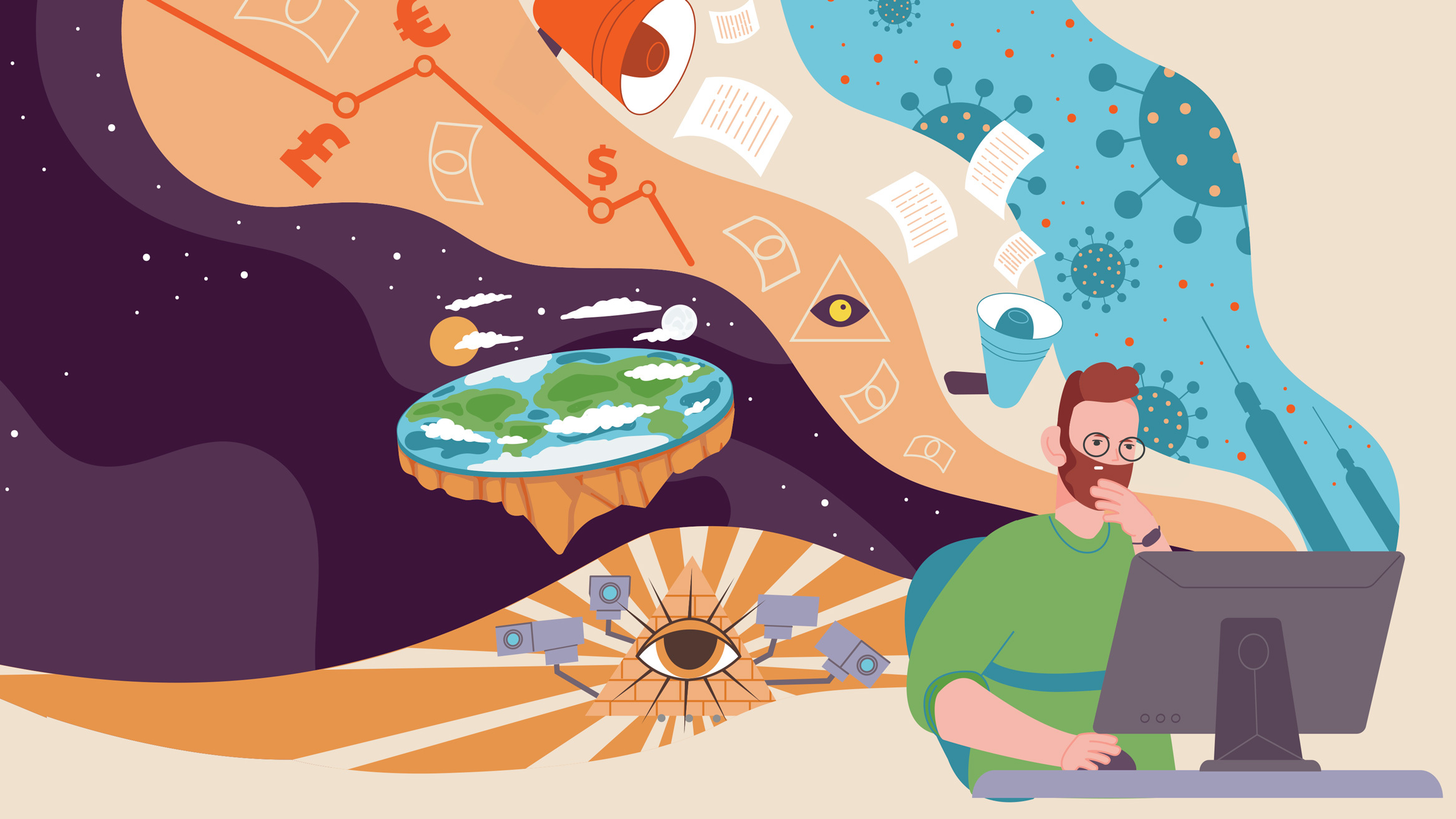
U.S. political discourse seems to have fissioned into discrete bubbles, each reflecting its own distorted image of the world. Many blame machine-learning algorithms that purportedly maximize “engagement”—serving up content that keeps YouTube or Facebook users watching videos or scrolling through their feeds—for radicalizing users or strengthening their partisanship. Sociologist Shoshana Zuboff15 even argues that “surveillance capitalism” uses optimized algorithmic feedback for “automated behavioral modification” at scale, writing the “music” that users then “dance” to.
Bias, Skew, and Search Engines Are Sufficient to Explain Online Toxicity
U.S. political discourse seems to have fissioned into discrete bubbles, each reflecting its own distorted image of the world. Many blame machine-learning algorithms that purportedly maximize “engagement”—serving up content that keeps YouTube or Facebook users watching videos or scrolling through their feeds—for radicalizing users or strengthening their partisanship. Sociologist Shoshana Zuboff15 even argues that “surveillance capitalism” uses optimized algorithmic feedback for “automated behavioral modification” at scale, writing the “music” that users then “dance” to.
Opinion | YouTube, the Great Radicalizer (Published 2018)
The videos it recommends seem to get more and more extreme.

What is social media for
Lately Meta made the headlines in Brazil, and arguably worldwide, for its lack of impartiality durin...
AI Slop Report: The Global Rise of Low-Quality AI Videos
Kapwing’s new research shows that 21-33% of YouTube’s feed may consist of AI slop or brainrot videos. But which countries and channels are achieving the greatest reach — and how much money might they make? We analyzed social data to find out.
Investigating YouTube’s Ideological “Rabbit Hole” – The Markup
A conversation with Megan Brown
Mobile App, redesign, new dev, promotion... let’s build a bright future for PeerTube! | JoinPeerTube
Developing an ethical and emancipating alternative to YouTube, Twitch or Vimeo without Surveillance Capitalism’s means is a huge undertaking. Especial...

The Unexpected New Threat to Video Creators - Anil Dash
A blog about making culture. Since 1999.

‘It’s frightening’: How far right is infiltrating everyday culture
Extremist messaging now woven into music and YouTube videos, with one expert saying: ‘You can be radicalised sitting on your couch’

Advocacy groups urge YouTube to protect kids from 'AI slop' videos
Advocacy groups and experts have slammed YouTube for serving up low-quality artificial intelligence-generated videos to its most vulnerable audience: children.
The YouTube Effect: New ways to reach engaged audiences
New ways advertisers can tap into the YouTube Effect across streaming, shopping and audio.