


A surge of severe lung ailments has baffled doctors and public health experts.

Masks and respirators for prevention of respiratory infections: a state of the science review
SUMMARY This narrative review and meta-analysis summarizes a broad evidence base on the benefits—and also the practicalities, disbenefits, harms and personal, sociocultural and environmental impacts—of masks and masking. Our synthesis of evidence from over 100 published reviews and selected primary studies, including re-analyzing contested meta-analyses of key clinical trials, produced seven key findings. First, there is strong and consistent evidence for airborne transmission of severe acute respiratory syndrome coronavirus 2 (SARS-CoV-2) and other respiratory pathogens. Second, masks are, if correctly and consistently worn, effective in reducing transmission of respiratory diseases and show a dose-response effect. Third, respirators are significantly more effective than medical or cloth masks. Fourth, mask mandates are, overall, effective in reducing community transmission of respiratory pathogens. Fifth, masks are important sociocultural symbols; non-adherence to masking is sometimes linked to political and ideological beliefs and to widely circulated mis- or disinformation. Sixth, while there is much evidence that masks are not generally harmful to the general population, masking may be relatively contraindicated in individuals with certain medical conditions, who may require exemption. Furthermore, certain groups (notably D/deaf people) are disadvantaged when others are masked. Finally, there are risks to the environment from single-use masks and respirators. We propose an agenda for future research, including improved characterization of the situations in which masking should be recommended or mandated; attention to comfort and acceptability; generalized and disability-focused communication support in settings where masks are worn; and development and testing of novel materials and designs for improved filtration, breathability, and environmental impact.
When “It’s Not POTS” Doesn’t Mean “It’s Not Dysautonomia”
A new NIH/NIAID strategic vision signals increased attention to post-infectious conditions like ME/CFS and Long COVID.
COVID antihistamine protocol
This current wave of COVID is bad, and I'm seeing a lot of people who were previously NOVID posting photos of their positive tests. I've been trying fairly diligently to get this information out on social media, because I know I follow the literature a lot more closely than a lot of people, so here
Psychopolitical Anaphylaxis: Steps Towards a Metacosmics
A scholar led open access publishing collective
Google AI Overviews put people at risk of harm with misleading health advice
Exclusive: Inaccurate information presented in summaries, Guardian investigation finds

The Dark Side Of Inhaling Rare Xenon Gas | VICE | Blueprint
Archive: New COVID-19 ‘Citizen Science’ Initiative Lets Any Adult with a Smartphone Help to Fight Coronavirus
The online study would try to help researchers gain insight into how the virus is spreading and identify ways to predict and reduce the number of new infections.

Patrick Collison on Twitter / X
Observing some people close to me with chronic health conditions, it's striking how useful Reddit frequently ends up being. I think a core reason is because trials aren’t run for a lot of things, and Reddit provides a kind of emergent intelligence that sits between that which any… pic.twitter.com/Eto23uQMDb— Patrick Collison (@patrickc) September 14, 2025

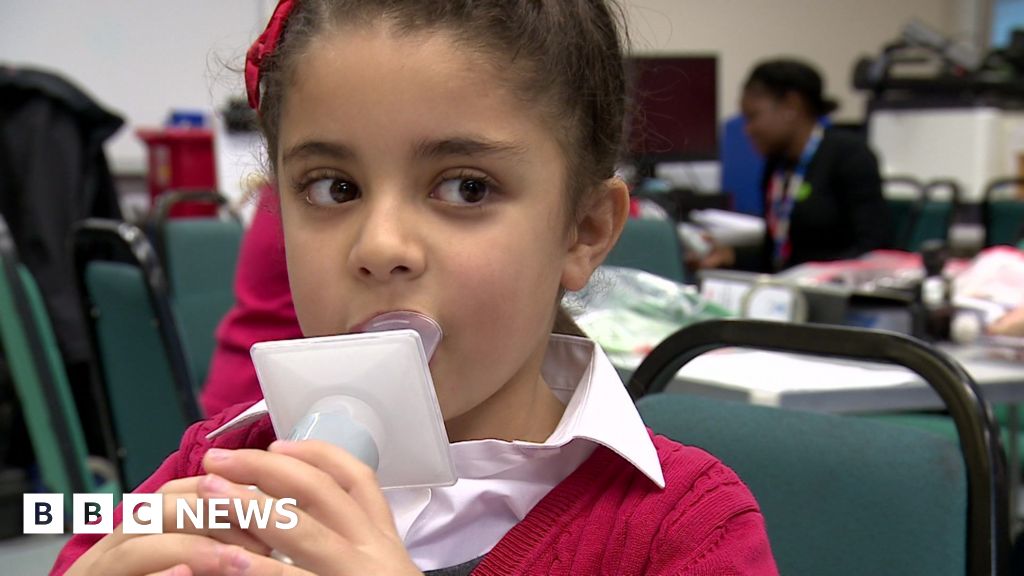
Children's stunted lungs show recovery in ultra low emission zone
Children's lung capacity caught up with their peers in less polluted areas once a clean air zone came in, a study shows.
America has a loneliness epidemic. Here are 6 steps to address it
Lacking connection can increase the risk for premature death to levels comparable to smoking 15 cigarettes a day, according to a new advisory from the U.S. Surgeon General.
Tobacco funded research: how even journals with bans find it hard to stem the tide of publications
This stopped me in my tracks. An independent study by @qmul.bsky.social has found that after ULEZ was introduced, children’s lungs grew faster in Central London and have now caught up with children outside of the capital. Incredible.

Queen Mary University of London
Air pollution stunts children’s lung growth. New Queen Mary research found that improvements in air quality after the introduction of London’s ULEZ are associated with accelerated lung growth in children. Read more: shorturl.at/Jx86o
People are using AI for their health crises, and no amount of screaming about it is stopping that. I started slowly drafting a piece about my experiences having long, slow conversations about AI practices in the patient communities I'm in, where I primarily stay just to provide scientific support

