The number of birds in the United States and Canada has declined by 3 billion, or 29 percent, over the past half-century, scientists find.
Solar panels were known to attract birds, but they are now drawing in species never seen in these areas before
New research from the University of Cambridge has found that some birds species are making a triumphant return to the area around solar panels in England.

We only have 8 years left before: deglaciation of W. Antarctica begins 80% of coral reefs die Arctic sea ice disappears world crops fail simultaneously 40% of N. American birds go extinct rainforest collapse is locked in The planet you think you're living on no longer exists.
We only have 8 years left before:deglaciation of W. Antarctica begins80% of coral reefs dieArctic sea ice disappearsworld crops fail simultaneously40% of N. American birds go extinctrainforest collapse is locked inThe planet you think you're living on no longer exists.— Ben See (@ClimateBen) January 25, 2020
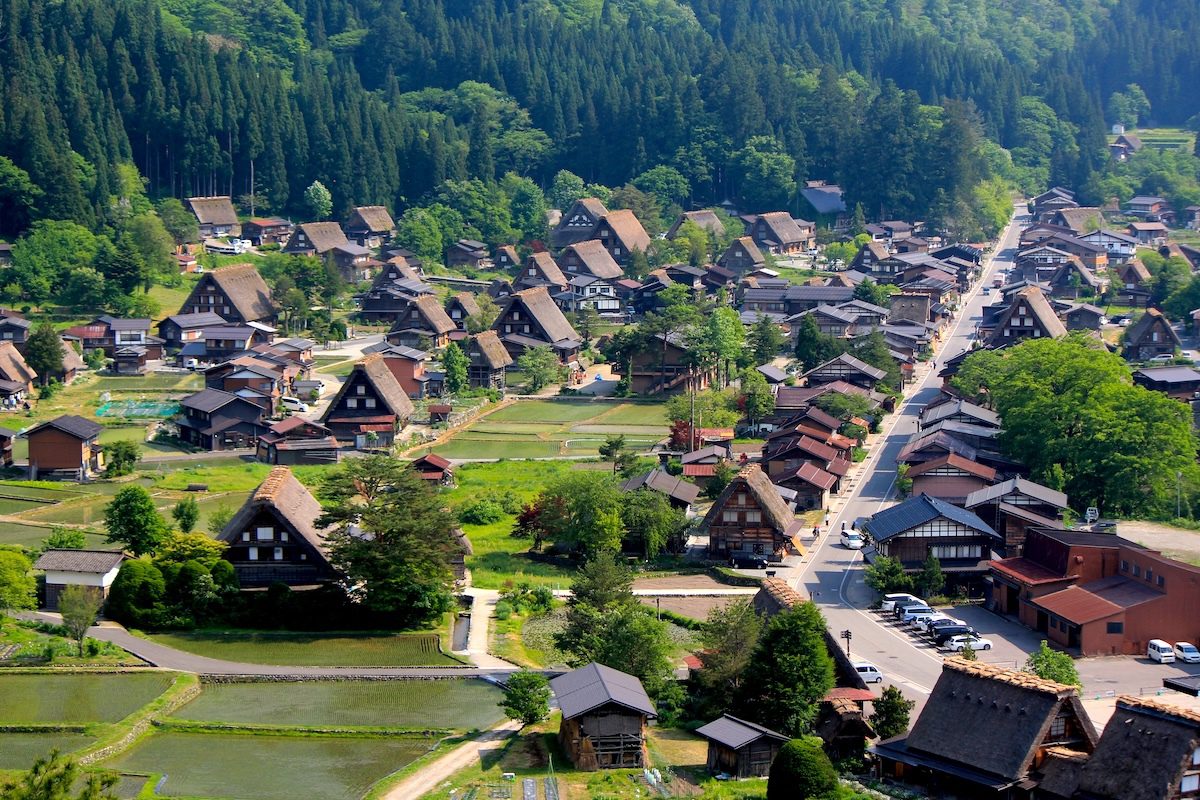
As the Japanese Countryside Empties Out, Wildlife Is Disappearing
The Japanese population is in decline, but the downward trend is especially pronounced in rural areas. The loss of people might be expected to lead to a resurgence of wildlife. But paradoxically, where farms have been abandoned, wildlife is also disappearing.
State Of The Bird: Thunderbird Annual Report 2023-2024 - The Thunderbird Blog
Let's dive into the details with the Thunderbird Annual Report 2023-2024 to see how we've grown and what we've accomplished in the past year.

Bird Flu Is Raging on a Mink Farm. It Could Spark a Human Pandemic, Experts Say, but Officials Won’t Act. — ProPublica
Federal officials brushed off the issue as Utah prioritized the fur industry’s interests. Little has been done to stop the spread of the virus and ensure it can’t spread to humans, a failure that experts called “irresponsible” and “astounding.”

Drones and AI combine to help bring birds back from the brink
Birds are going extinct at an alarming rate across the globe, but Australian researchers say technology could help turn the tide.
Flight of the Starlings: Watch This Eerie but Beautiful Phenomenon | Short Film Showcase
welcome to the pigeon zone

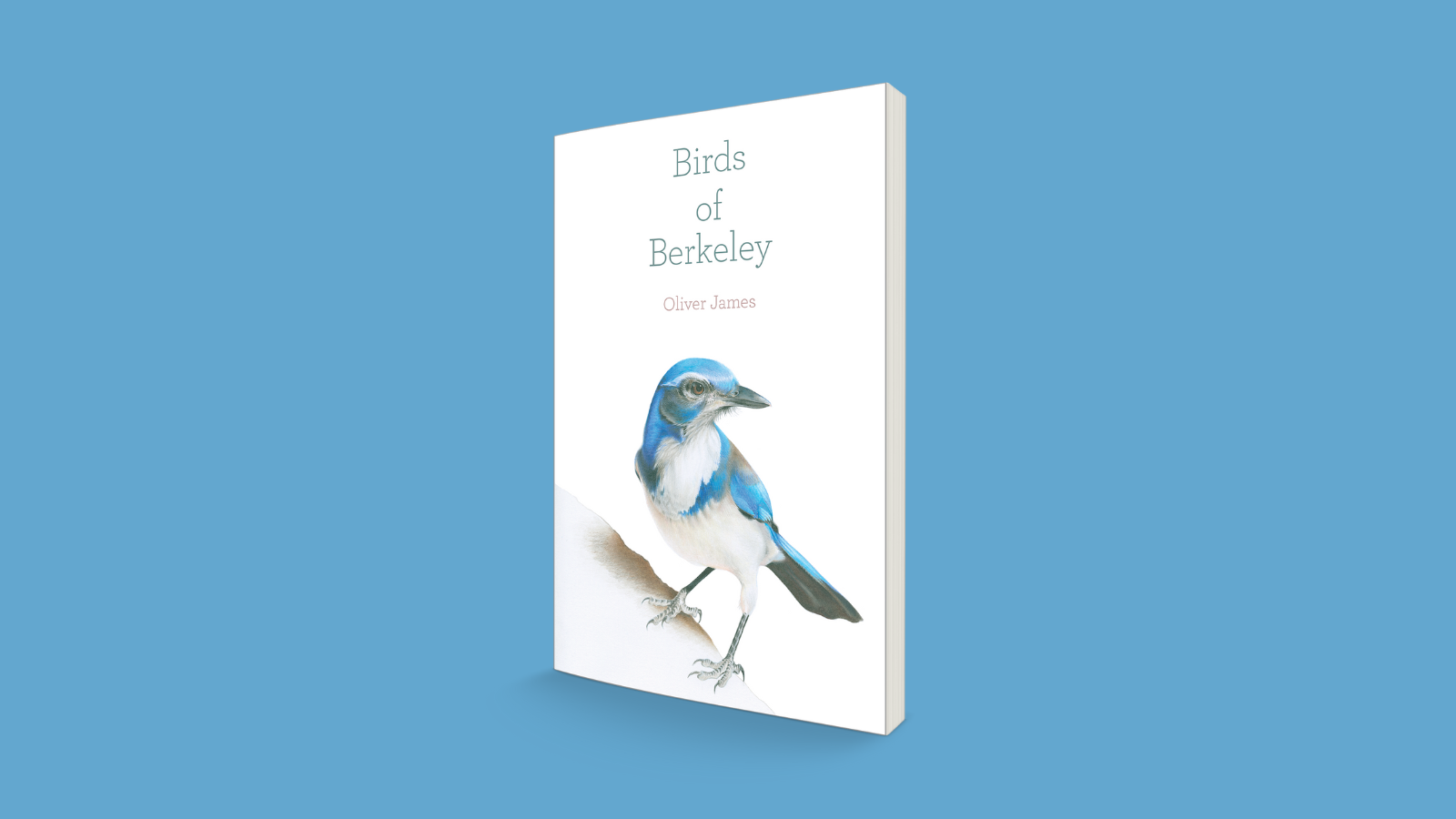
Birds of Berkeley [Paperback] by Oliver James
Now in paperback! This charming, full-color field guide to 25 birds easily found in Berkeley proves that even the city’s avian residents are a little
Biodiversity change under human depopulation in Japan
Global studies consistently highlight a direct relationship between habitat and species losses, and human population and economic growth. Nevertheless, countries are experiencing below-replacement human fertility and starting to depopulate; among these countries, Japan is a global forerunner. To better understand whether human depopulation automatically yields environmentally restorative outcomes, we examine the impacts of human depopulation on aspects of biodiversity in Japan. Alongside population, land use and surface temperature, we analyse biodiversity change among 464 taxonomic species of bird, butterfly, firefly and frog egg masses, and 2,922 native and non-native plant species in wooded, agricultural and peri-urban landscapes across Japan over periods of 5–17 years from 2004. Irrespective of human population increase or decrease, biodiversity losses continue among most species studied mainly because of change in agricultural land use, either due to urbanization, disuse and abandonment, or intensification. Only where human numbers are currently stable, biodiversity is also more stable, although we anticipate that this may also change as ageing deepens into depopulation in these areas. We conclude by urging countries facing depopulation to account for its outcomes in their biodiversity conservation and restoration strategies.

Stricter rules for WA government to protect endangered birds
The Department of Primary Industries and Regional Development has been ordered to improve the quality of Gouldian finch breeding habitat.
Mute swan
The mute swan is a species of swan and a member of the family Anatidae within the waterfowl order. It is native to much of Europe and parts of Asia and the far north of Africa. It is an introduced species in North America, home to the largest populations outside of its native range, with additional smaller introductions in Australasia and Southern Africa. The name "mute" derives from it being less vocal than other swan species. Typically measuring 140 to 160 cm in length, this large swan is wholly white in plumage, with an orange beak bordered with black. It is recognisable by its pronounced knob atop the beak, which is larger in males.

Hummingbird hawk moths and ivy bees: The insects growing in number as temperatures rise
Hummingbird hawk moths - often mistaken for small birds - are being spotted in the West Midlands.

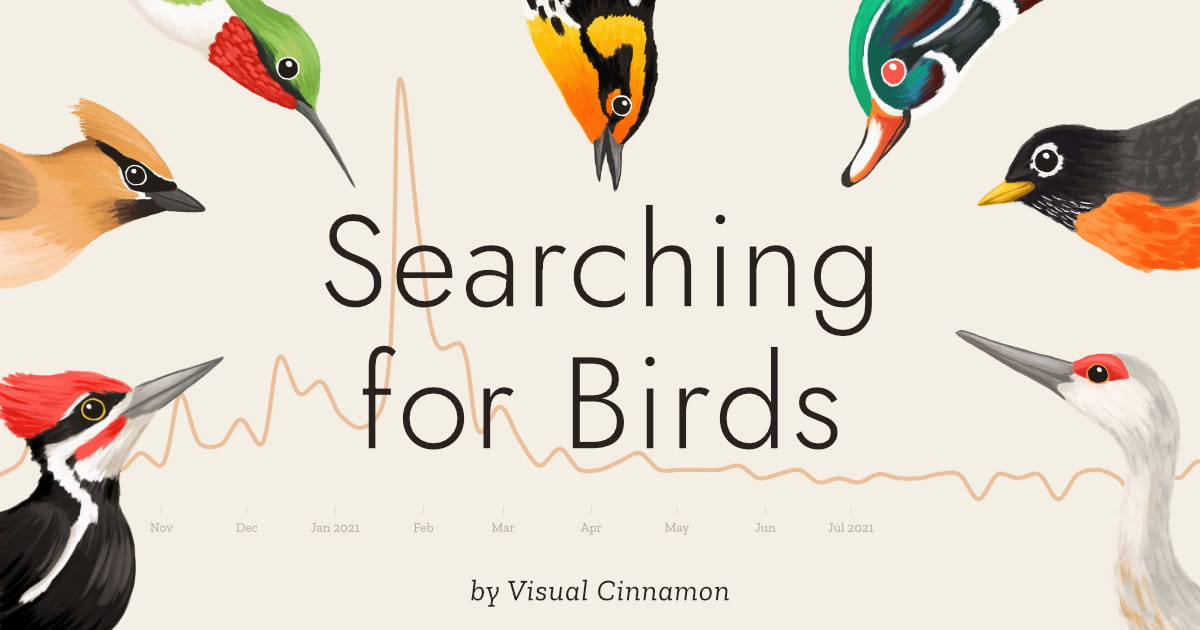
Searching for Birds
An interactive story about the birds that capture our curiosity, told through data, visuals and illustrations