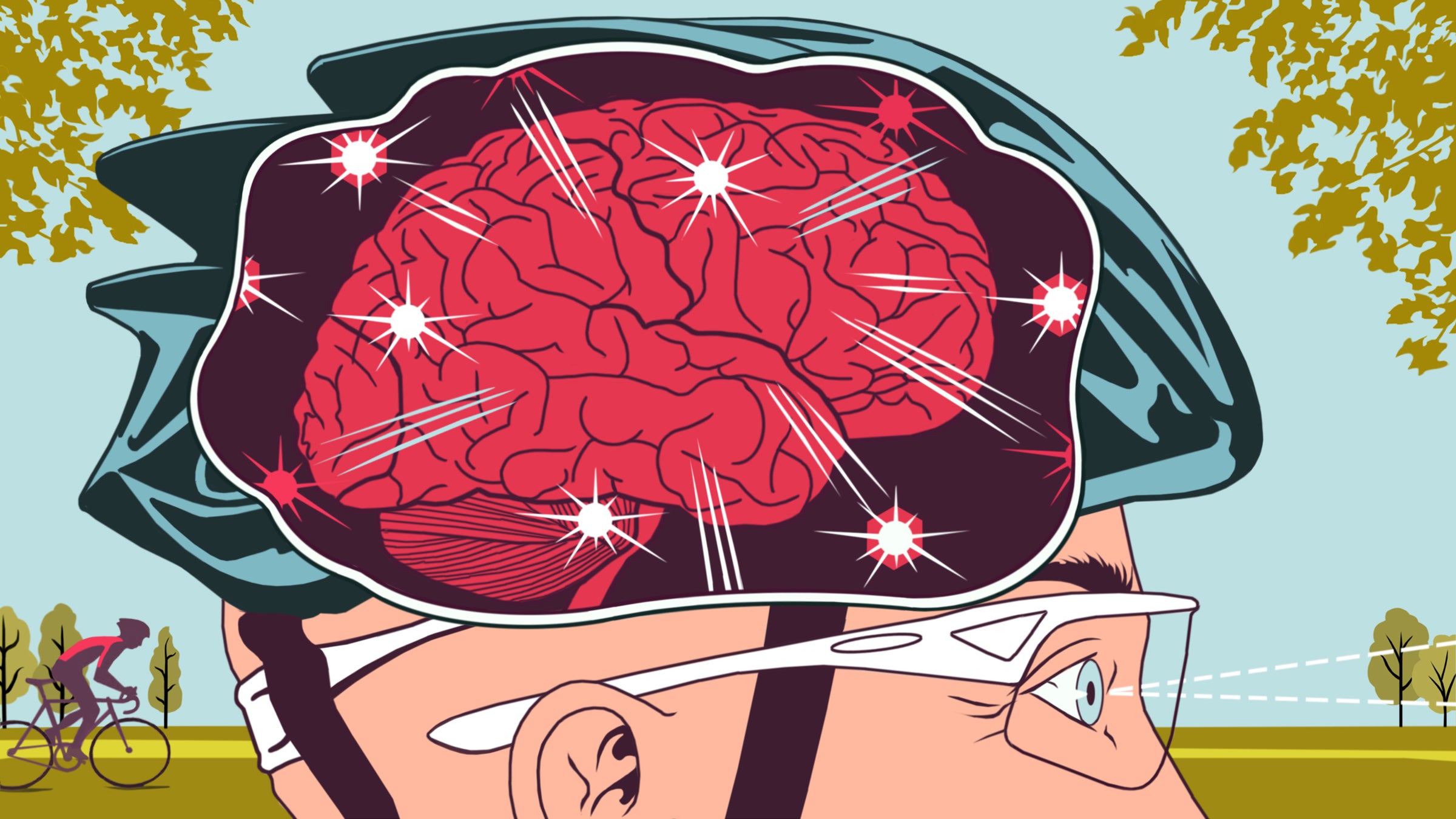
When we exercise, even for a few minutes, hundreds of molecules related to our metabolic health rise and fall in our bloodstreams.
This Is Your Brain on Exercise
Exercise is as good for your brain as it is for your body, and researchers are just beginning to discover why
A Single Exercise Session May Slow Cancer Cell Growth, Study Finds - Slashdot
The Washington Post notes that past research "indicates that exercise helps some cancer survivors avoid recurrence of their disease." But a new study "offers an explanation of how, showing that exercise changes the inner workings of our muscles and cells, although more study is still needed..." T...
Journal of Applied Physiology
<p>The <em>Journal of Applied Physiology</em> publishes original papers that deal with diverse areas of research in applied physiology, especially those papers emphasizing adaptive and integrative mechanisms. Adaptive physiology includes 1) inherent adaptations such as those related to development, aging, and pathophysiological conditions and 2) adaptations to the external environment such as those occurring with exercise, microgravity, hypoxia, hypo- and hyperbaria, and hypo- and hyperthermic conditions. Integrative physiology includes 1) horizontal integration across organ systems and 2) vertical integration from molecule to cell to organ. In all areas of applied physiology, the use of cutting-edge techniques including molecular and cellular biology is strongly encouraged.</p><p>The wide scientific span of the Journal rests on physiology as its keystone. However, the boundaries of physiology have enlarged as demarcations between concepts and techniques in the physiological, pharmacological, and biochemical sciences become increasingly blurred. Moreover, theoretical articles on research at any level of biological organization ranging from molecules to humans fall within the broad scope of the Journal. Papers dealing with topics in other basic sciences that impinge on physiology are also welcome.</p>

Human Kinetics
Publisher of Health and Physical Activity books, articles, journals, videos, courses, and webinars.

Human Kinetics
Publisher of Health and Physical Activity books, articles, journals, videos, courses, and webinars.
The Best Exercise for Aging Muscles (Published 2017)
Certain kinds of exercise may mitigate the effects of aging at the cellular level.

The Best Exercise for Aging Muscles (Published 2017)
Certain kinds of exercise may mitigate the effects of aging at the cellular level.
There's even more evidence that one type of exercise is the closest thing we have to a miracle drug
Aerobic exercise, which raises your heart rate for a sustained period, is "key for your head, just as it is for your heart," researchers say.
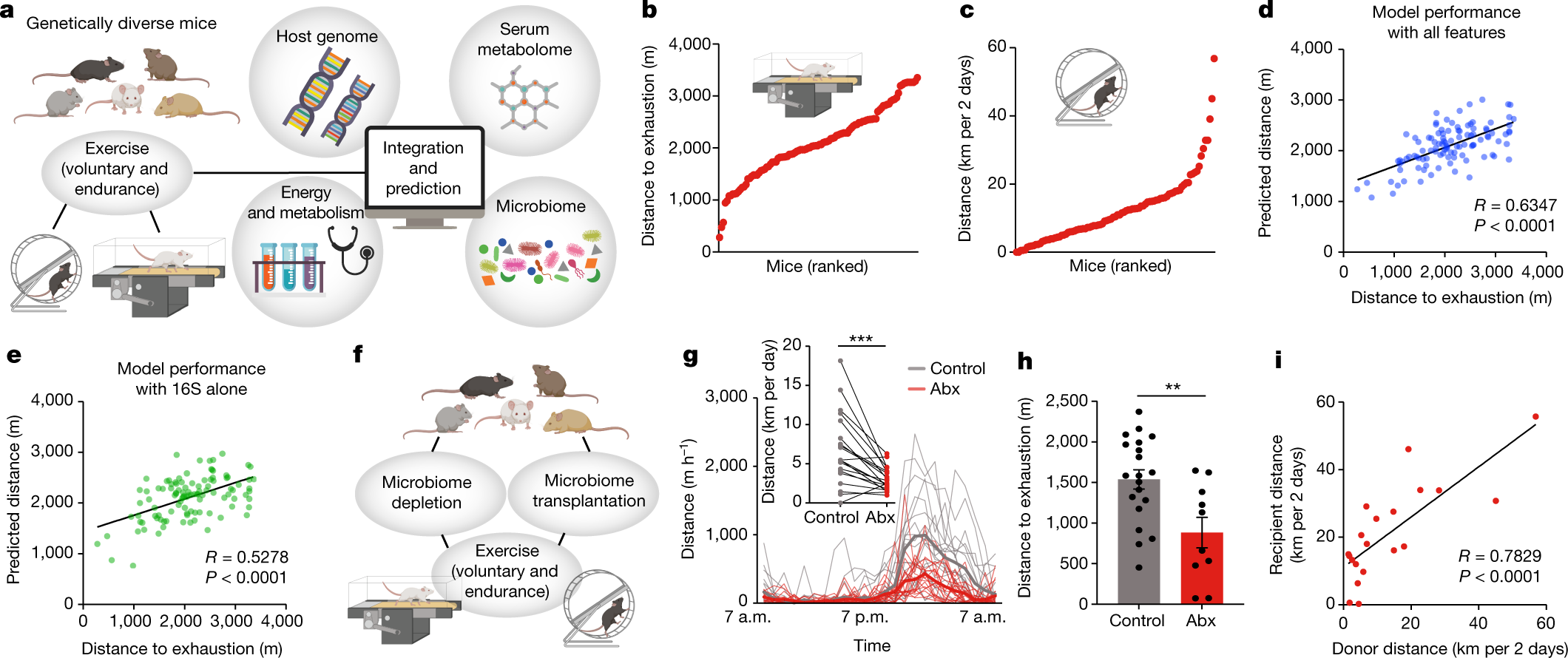
A microbiome-dependent gut–brain pathway regulates motivation for exercise
Exercise exerts a wide range of beneficial effects for healthy physiology1. However, the mechanisms regulating an individual’s motivation to engage in physical activity remain incompletely understood. An important factor stimulating the engagement in both competitive and recreational exercise is the motivating pleasure derived from prolonged physical activity, which is triggered by exercise-induced neurochemical changes in the brain. Here, we report on the discovery of a gut–brain connection in mice that enhances exercise performance by augmenting dopamine signalling during physical activity. We find that microbiome-dependent production of endocannabinoid metabolites in the gut stimulates the activity of TRPV1-expressing sensory neurons and thereby elevates dopamine levels in the ventral striatum during exercise. Stimulation of this pathway improves running performance, whereas microbiome depletion, peripheral endocannabinoid receptor inhibition, ablation of spinal afferent neurons or dopamine blockade abrogate exercise capacity. These findings indicate that the rewarding properties of exercise are influenced by gut-derived interoceptive circuits and provide a microbiome-dependent explanation for interindividual variability in exercise performance. Our study also suggests that interoceptomimetic molecules that stimulate the transmission of gut-derived signals to the brain may enhance the motivation for exercise.
Meta-omics analysis of elite athletes identifies a performance-enhancing microbe that functions via lactate metabolism
The human gut microbiome is linked to many states of human health and disease1. The metabolic repertoire of the gut microbiome is vast, but the health implications of these bacterial pathways are poorly understood. In this study, we identify a link between members of the genus Veillonella and exercise performance. We observed an increase in Veillonella relative abundance in marathon runners postmarathon and isolated a strain of Veillonella atypica from stool samples. Inoculation of this strain into mice significantly increased exhaustive treadmill run time. Veillonella utilize lactate as their sole carbon source, which prompted us to perform a shotgun metagenomic analysis in a cohort of elite athletes, finding that every gene in a major pathway metabolizing lactate to propionate is at higher relative abundance postexercise. Using 13C3-labeled lactate in mice, we demonstrate that serum lactate crosses the epithelial barrier into the lumen of the gut. We also show that intrarectal instillation of propionate is sufficient to reproduce the increased treadmill run time performance observed with V. atypica gavage. Taken together, these studies reveal that V. atypica improves run time via its metabolic conversion of exercise-induced lactate into propionate, thereby identifying a natural, microbiome-encoded enzymatic process that enhances athletic performance.

Physical Exercise Four Hours after Learning Improves Long-Term Memory, Study Shows | Sci.News
A new study in the journal Current Biology shows that physical exercise after learning improves memory and memory traces, but only if the exercise is done in a specific time window and not immediately after learning.

Uric Acid: A KEY Cause of Weight Gain, Diabetes, Heart Disease & Dementia | Dr. David Perlmutter
How Exercise Can Keep Aging Muscles and Immune Systems ‘Young’ (Published 2018)
Older cyclists are not like most of the rest of us. They are healthier. They are, biologically, younger.

Why you shouldn’t exercise to lose weight, explained with 60+ studies
Vox is a general interest news site for the 21st century. Its mission: to help everyone understand our complicated world, so that we can all help shape it. In text, video and audio, our reporters explain politics, policy, world affairs, technology, culture, science, the climate crisis, money, health and everything else that matters. Our goal is to ensure that everyone, regardless of income or status, can access accurate information that empowers them.
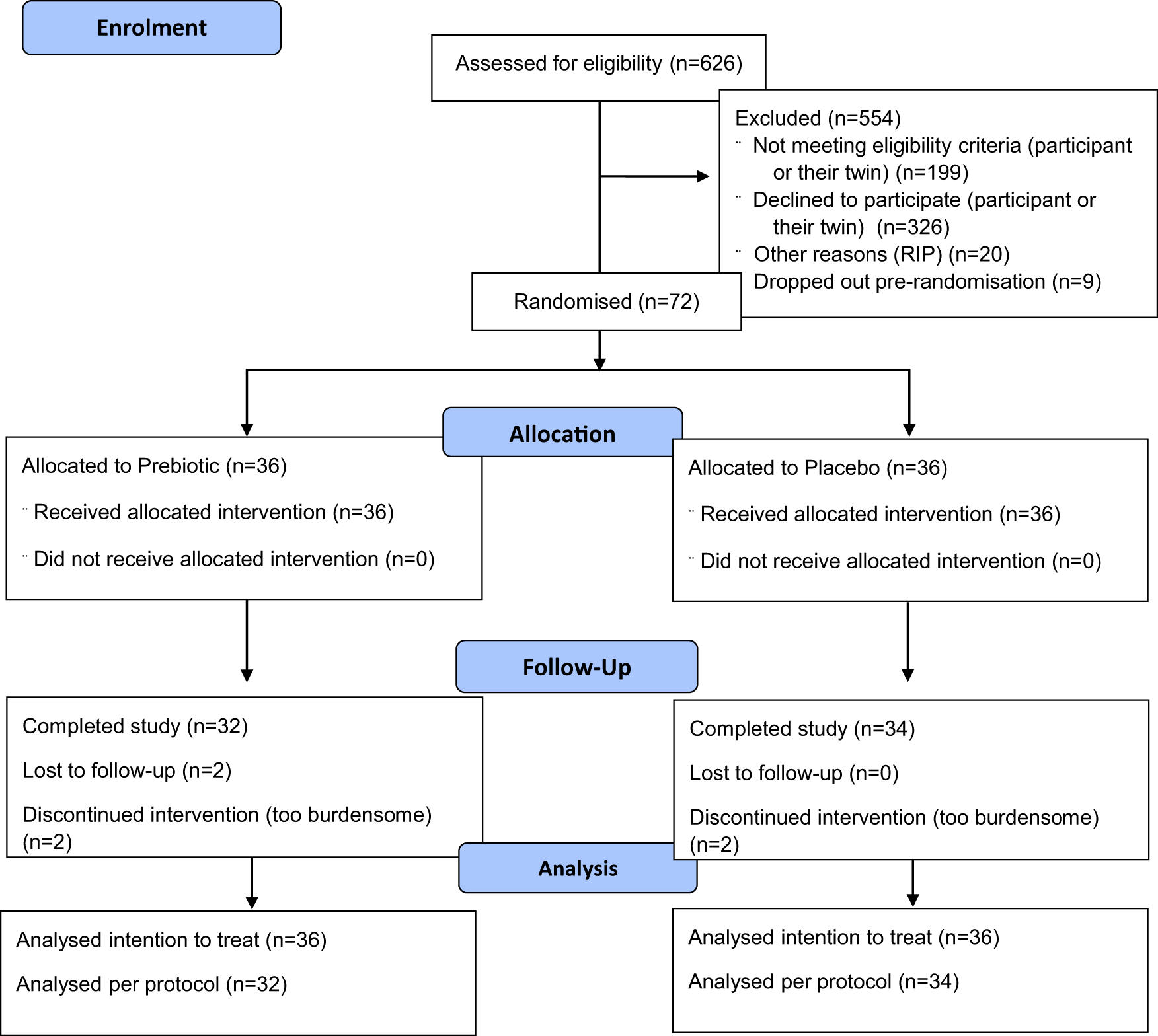
Effect of gut microbiome modulation on muscle function and cognition: the PROMOTe randomised controlled trial
Studies suggest that inducing gut microbiota changes may alter both muscle physiology and cognitive behaviour. Gut microbiota may play a role in both anabolic resistance of older muscle, and cognition. In this placebo controlled double blinded randomised controlled trial of 36 twin pairs (72 individuals), aged ≥60, each twin pair are block randomised to receive either placebo or prebiotic daily for 12 weeks. Resistance exercise and branched chain amino acid (BCAA) supplementation is prescribed to all participants. Outcomes are physical function and cognition. The trial is carried out remotely using video visits, online questionnaires and cognitive testing, and posting of equipment and biological samples. The prebiotic supplement is well tolerated and results in a changed gut microbiome [e.g., increased relative Bifidobacterium abundance]. There is no significant difference between prebiotic and placebo for the primary outcome of chair rise time (β = 0.579; 95% CI −1.080-2.239 p = 0.494). The prebiotic improves cognition (factor score versus placebo (β = −0.482; 95% CI,−0.813, −0.141; p = 0.014)). Our results demonstrate that cheap and readily available gut microbiome interventions may improve cognition in our ageing population. We illustrate the feasibility of remotely delivered trials for older people, which could reduce under-representation of older people in clinical trials. ClinicalTrials.gov registration: NCT04309292.