


Traumatic memories had their own neural mechanism, brain scans showed, which may help explain their vivid and intrusive nature.
How Childhood Trauma Can Impact the Brain
New research has illuminated how traumatic experiences during childhood can literally alter the structure and chemistry of the brain, leading to long-lasting consequences.

The Dissociation Spectrum + What Causes Dissociative Disorders?
“Infantile amnesia” occurs despite babies showing memory activity
It looks like humans actively suppress our earliest memories.

Emotional Memory Cells Driving Empathy Discovered - Neuroscience News
Researchers have uncovered a brain mechanism in the prefrontal cortex that determines how animals respond to others’ emotions based on their own past experiences.

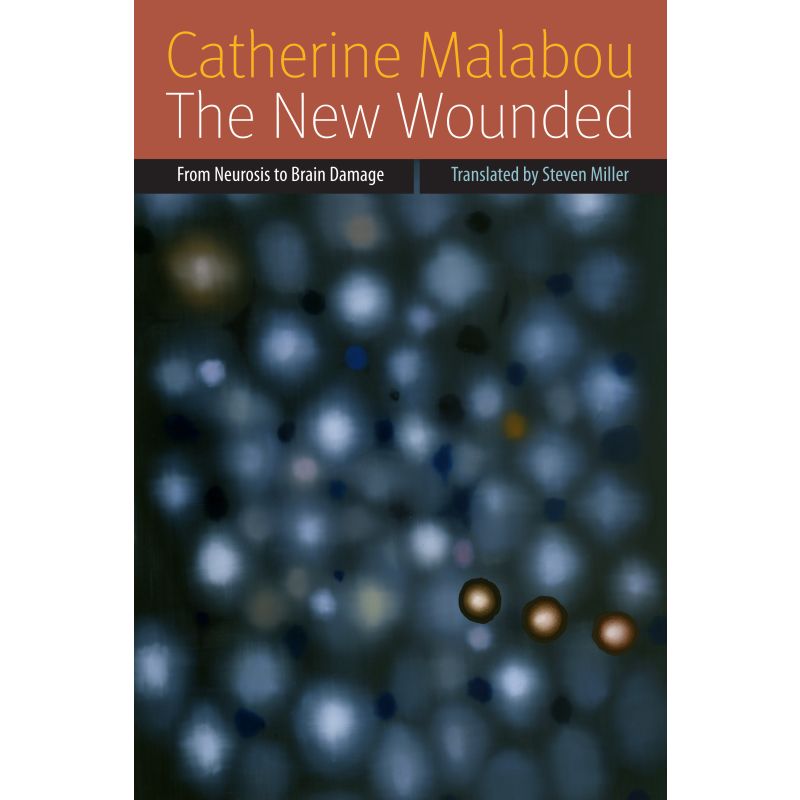
The New Wounded
This book addresses the issue of trauma and psychic wounds to stage a confrontation between psychoanalysis and contemporary neurobiology. In so doing, it reevaluates the brain as an organ that is not separated from psychic life but rather appears as its very locus. A philosophical approach of the “new wounded” (brain lesion patients) forms the matter of the confrontation.
False Memories Can Form Within Seconds, Study Finds - Slashdot
In a new study, scientists found that it's possible for people to form false memories of an event within seconds of it occurring. This almost-immediate misremembering seems to be shaped by our expectations of what should happen, the team says. Gizmodo reports: "This study is unique in two ways, in ...

The brain on MDMA can go somewhere CBT has never been able to reach | Rachel Yehuda: Full Interview
A brain injury removed my ability to perceive time
The brain’s perception of time is abstract. Here's what happens when it gets seriously distorted

Neuroscientists Discovered the Key to Dream Memory – And It Might Surprise You
Why do some people remember dreams in vivid detail while others recall nothing at all?
Mental time travel: a new case of autobiographical hypermnesia
Remembering past events in minute detail, revisiting them methodically, and reliving past emotions—this is the peculiarity of people with an exceptional memory of their own lives, known as autobiographical hypermnesia, or hyperthymesia. This fascinating condition remains poorly understood, and each new case contributes to our understanding. In a recent article in Neurocase, researchers from Paris Brain Institute and the Memory, Brain, and Cognition Laboratory (LMC²) in Paris describe the extraordinary mental life of a 17-year-old girl.
A Successful Artificial Memory Has Been Created
The growing science of memory manipulation raises social and ethical questions

False Memories Can Form Within Seconds, Study Finds
It's not just distant recollections that can fool you.

Study illuminates the structural features of memory formation at cellular and subcellular levels
NIH-funded study uses cutting-edge imaging techniques to reconstruct features underlying learning and memory in the mouse brain.

The Brain Can Recall and Reawaken Past Immune Responses | Quanta Magazine
The brain not only helps to regulate immune responses, but also stores and retrieves “memories” of them.

The Brain ‘Rotates’ Memories to Save Them From New Sensations | Quanta Magazine
Some populations of neurons simultaneously process sensations and memories. New work shows how the brain rotates those representations to prevent interference.
COVID-19 affects memory and cognition long after infection, study warns
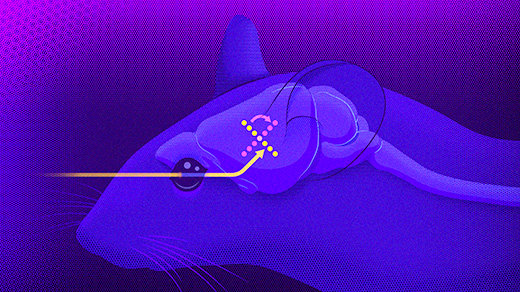
Those in the study who had been infected with the virus showed an increase in a brain protein that is often associated with a brain injury.
