


Some college students and faculty members are seeking space for nuanced perspectives on the Israel-Hamas war on deeply divided campuses.
The Future Is Peace: A Shared Journey Across the Holy Land
Two lifelong peace activists and guides to Israel/Palestine, both of whom have lost family in the conflict, take readers on a revealing life-changing journey across this holy, bloodstained land and discover the mythic, political, and personal history that divides but also binds them and their peoples

Habermas as an ethnic thinker Par Excellence: on critique, Palestine and the role of intellectuals
Taking Habermas’ 2023 statement on Palestinians-Israel as the point of entry, this article examines his concept of critique. Against the dominant view of him as a philosopher of ‘universalism’ and ...


Using collective dialogues and AI to find common ground between Israeli and Palestinian peacebuilders | Proceedings of the 2025 ACM Conference on Fairness, Accountability, and Transparency
Collaborative and social computing theory, concepts and paradigms

The Rise and Fall of the Palestinian-Arab Middle Class Under the British Mandate, 1920–39
The Palestinian-Arab middle class under the Mandate may be characterized as bourgeois and educated, similarly to bourgeois classes that have developed in the West in the Modern era. The bourgeois characteristics of the Palestinian-Arab middle class, and their influence on its historical trajectory during the Mandate era, have not been studied in depth yet. This article aims to focus on a local aspect of the rise of the middle class in the region in that period: the rise of the Palestinian-Arab middle class under the Mandate, until the Palestinian-Arab Revolt (1936–9). The main hypothesis is that particular bourgeois social and cultural characteristics prevented the middle class full incorporation into the Palestinian-Arab National Movement, and even led to estrangement between the middle class and the national leadership, as well as members of lower strata, especially the villagers. Members of the middle class, mostly Christians but Muslims as well, espoused in their daily life modern habits, ideas, and customs, as a means to distinguish between themselves and other classes, similarly to their parallels in the West, and like their contemporaries elsewhere in the Eastern Mediterranean, as has demonstrated by Watenpaugh. Those gaps reached their climax during the years of revolt.
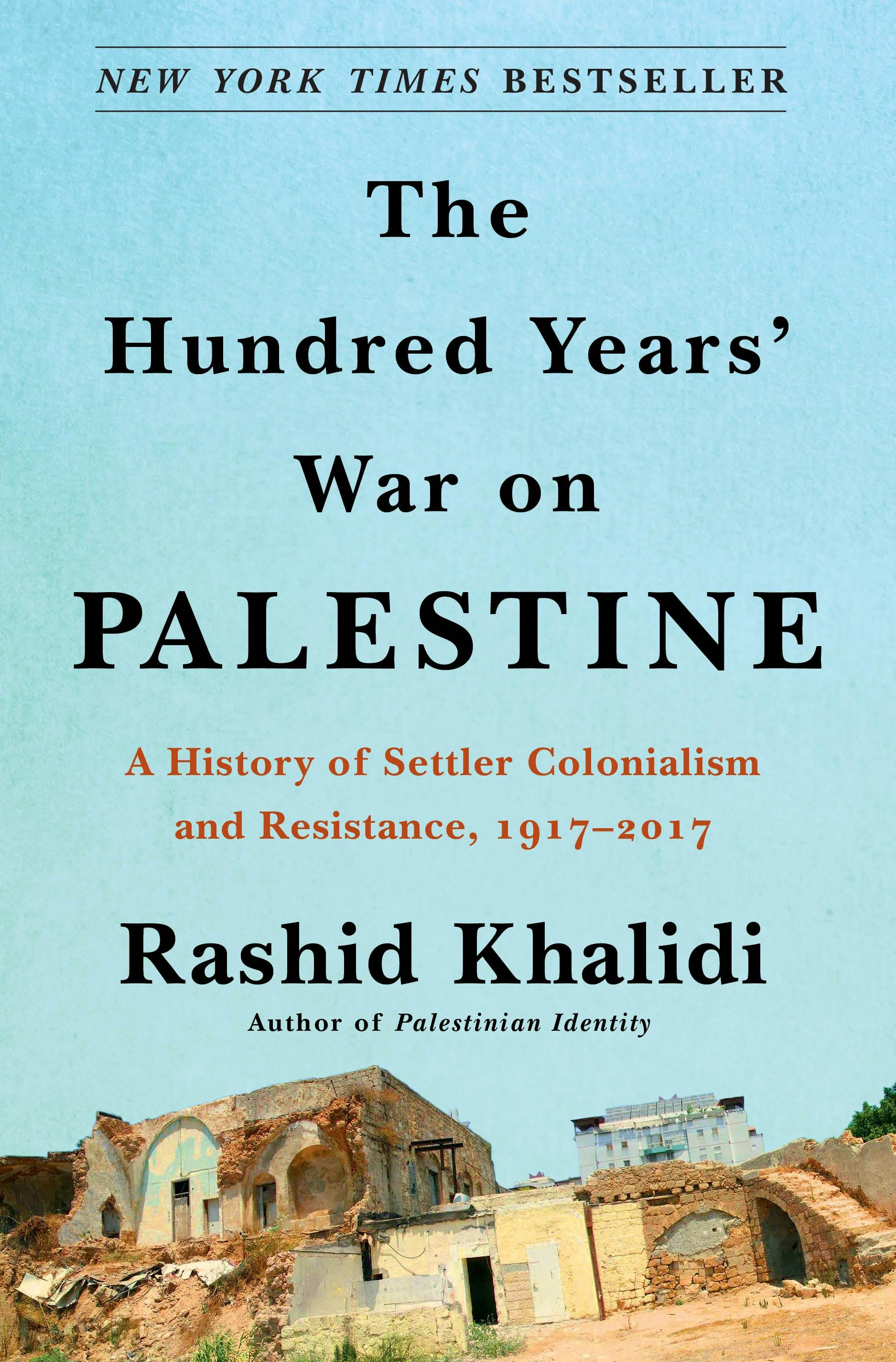
The Hundred Years' War on Palestine
A landmark history of one hundred years of war waged against the Palestinians from the foremost US historian of the Middle East, told through pivotal events ...
The Ethnic Cleansing of Palestine | Oneworld
Renowned Israeli historian, Ilan Pappe’s groundbreaking work on the formation of the State of Israel. ‘Along with the late Edward Said, Ilan Pappe is the most eloquent writer of Palestinian history.’ NEW STATESMAN Between 1947 and 1949, over 400 Palestinian villages were deliberately destroyed, civilians were massacred and around a million men, women, and […]

The Palestinian Nakba and its Continuous Repercussions
Adel Manna', The Palestinian Nakba and its Continuous Repercussions, Israel Studies, Vol. 18, No. 2, Summer 2013, Shared Narratives—A Palestinian-Israeli Dialogue / Guest Editors: Paul Scham, Benjamin Pogrund, and As'ad Ghanem
The Iran War Is About Palestine
By helping Israel demolish what’s left of international legal constraint, the Iran war is hastening the dissolution of the Palestinian question.
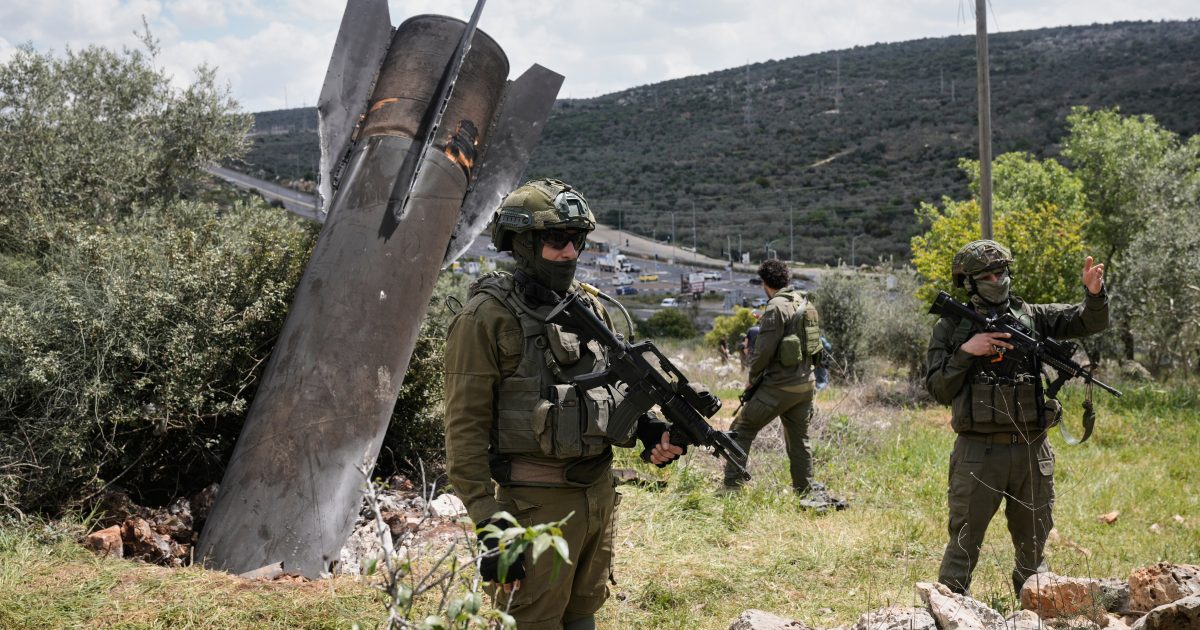
Seven Theses Against Viewpoint Diversity
Demands for “viewpoint diversity,” a pillar of the Right’s strategy to remake higher education, collide with the pursuit of truth.

Meta: Systemic Censorship of Palestine Content
Meta’s content moderation policies and systems have increasingly silenced voices in support of Palestine on Instagram and Facebook in the wake of the hostilities between Israeli forces and Palestinian armed groups.

Institute for the Critical Study of Zionism - Institute for the Critical Study of Zionism
ICSZ supports the development of Critical Zionism Studies with resources for academics and activists. The Institute’s work includes fellowships,

No tuition, no grades, no power grid: why are people flocking to a ‘college’ in the middle of the desert?
Two hundred miles from LA, an off-grid community with roots in Burning Man offers an unorthodox educational experience – is Mars College the future?

Meta 'financially enabling' Israeli settler violence against Palestinians, report says
Findings published by 7amleh reveal Meta's bias in the moderation of content by Israelis and Palestinians

NYT: Boycott, Divest, Unsubscribe — WRITERS AGAINST THE WAR ON GAZA
The New York Times is not unique among media outlets in manufacturing consent for war, for exploitation, for genocide. It is, rather, exemplary. The Times’ reputation for liberalism, for rigor, for non-partisan independence is precisely what makes it so dangerous, because it hides what it really is: a publication that exists to serve the interests of U.S. imperialism.