


Could we English majors have a future after all?
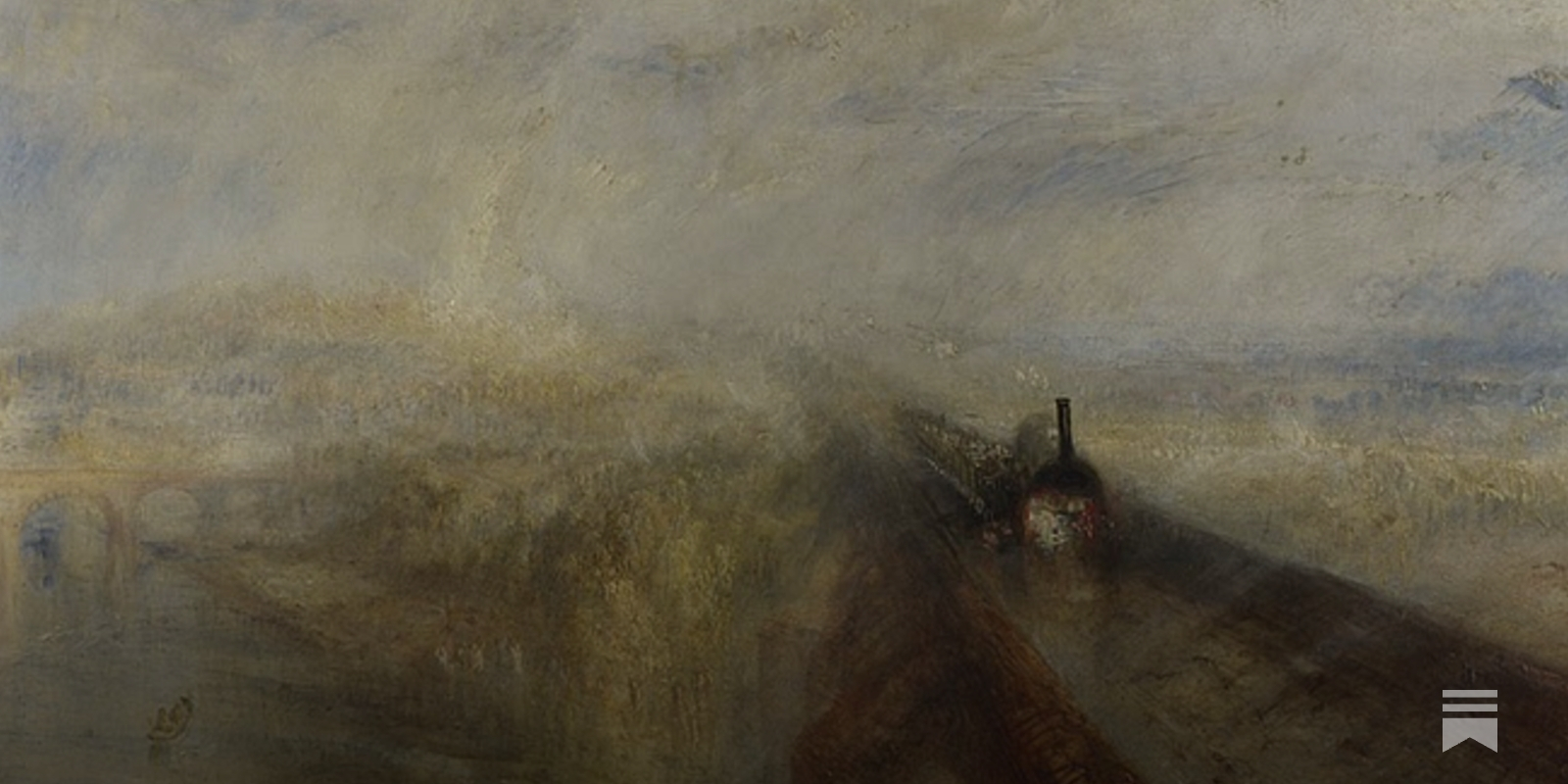
Translating non-trivial codebases with Claude
I don’t think it’s [me writing about LLMs] likely to happen anytime soon: I prefer to write about things that I’m excited about.
Opinion | Why Universities Should Be More Like Monasteries (Published 2023)
College students need a taste of the monk’s life.


Alternative Universities: Speculative Design for Innovation in Higher Education
Imagining the universities of the future.How can we re-envision the university? Too many examples of what passes for educational innovation today—MOOCs especially—focus on transactions, on questions of delivery. In Alternative Universities, David J. Staley argues that modern universities suffer from a poverty of imagination about how to reinvent themselves. Anyone seeking innovation in higher education today should concentrate instead, he says, on the kind of transformational experience universities enact. In this exercise in speculative design, Staley proposes ten models of innovation in higher education that expand our ideas of the structure and scope of the university, suggesting possibilities for what its future might look like. What if the university were designed around a curriculum of seven broad cognitive skills or as a series of global gap year experiences? What if, as a condition of matriculation, students had to major in three disparate subjects? What if the university placed the pursuit of play well above the acquisition and production of knowledge? By asking bold "What if?" questions, Staley assumes that the university is always in a state of becoming and that there is not one "idea of the university" to which all institutions must aspire. This book specifically addresses those engaged in university strategy—university presidents, faculty, policy experts, legislators, foundations, and entrepreneurs—those involved in what Simon Marginson calls "university making." Pairing a critique tempered to our current moment with an explanation of how change and disruption might contribute to a new "golden age" for higher education, Alternative Universities is an audacious and essential read.

Engelbart: Augmenting Human Intellect (1962)
AUGMENTING HUMAN INTELLECT : A Conceptual Framework Dr. Engelbart 1962
The End of Mathematics — Daniel Litt
I'm currently returning to Toronto from a summit on the future of mathematics, at OpenAI. Sebastian Bubeck asked me to talk a bit about the future we'd all like to avoid, where humans are mathematically disempowered. Jacob Tsimerman advised us to try to prioritize detail over correctness, and I have no doubt that I succeeded in deprioritizing correctness.

Will A.I. Make College Obsolete?
During a time when American trust in institutions is at an all- time low, A.I. is poised to accelerate a growing disillusionment with higher education.


RFC: Programming Languages Course Reboot, 2026
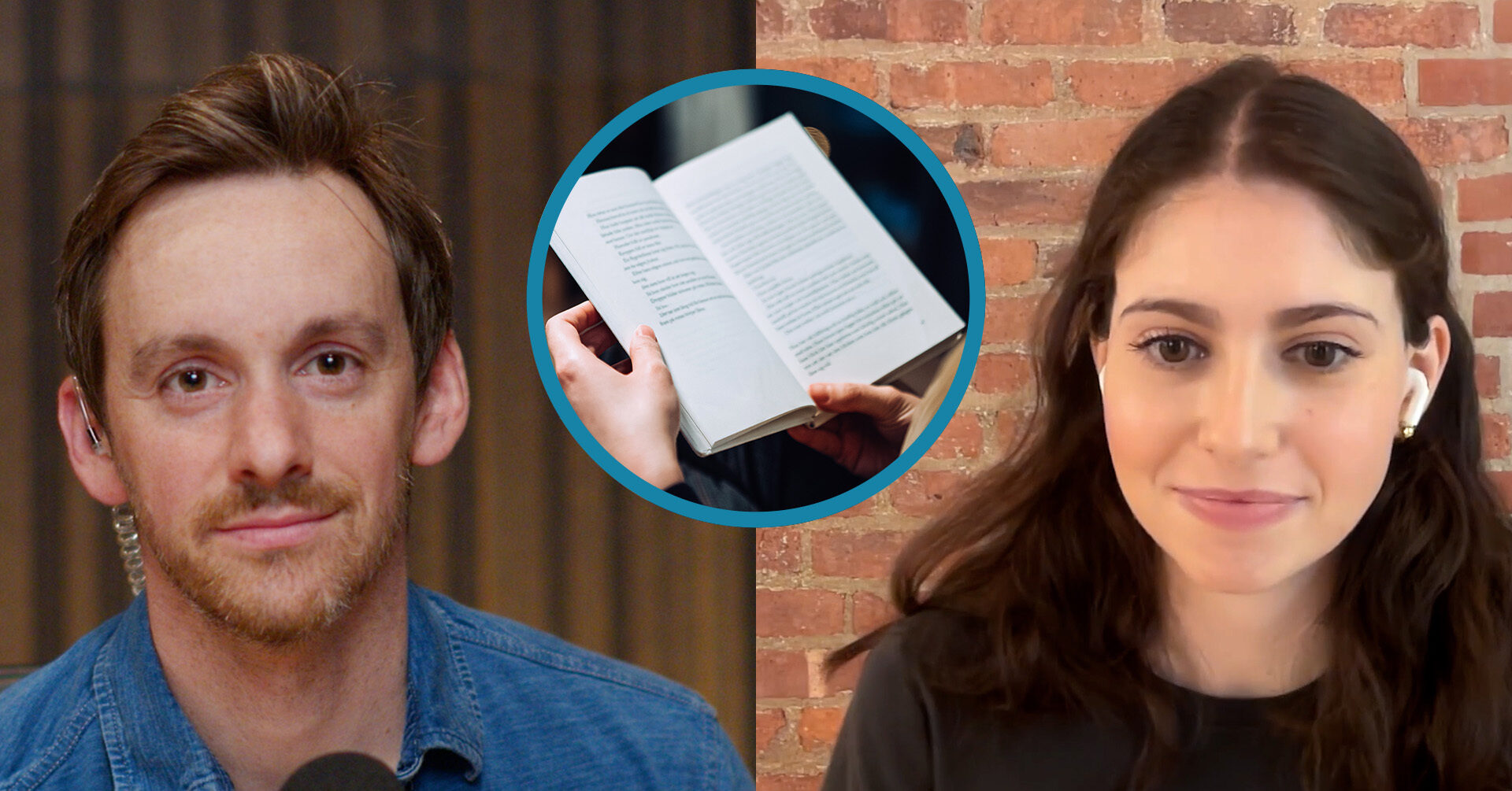
“The End of Reading Is Here” - The Ringer
There’s no doubt that reading is in decline. But what is that decline doing to the way we think? Derek talks with The Atlantic’s Rose Horowitch about why Americans are reading fewer books than ever and struggling more with complex texts and what that means for education, work, politics, and culture.
Aleph
We're a research lab working on new interfaces for the brain. We think our telepathic future is both imminent and wonderful.
Gergely Orosz on Twitter / X
An under-discussed topic: how the hottest software engineering job of the early 2010s is seeing a steady but ongoing decline the last few years.I'm talking about the native iOS and Android positions. Outside of Big Tech, few startups/scaleups hire for this. Since ~2022? pic.twitter.com/SjDcaD2yEs— Gergely Orosz (@GergelyOrosz) November 3, 2025

Andrew Tate Doesn’t Get the Point of Books
The erosion of deep reading weakens our capacity to grasp complex ideas.
AI-Detectors Biased Against Non-Native English Writers | Stanford HAI
Don’t put faith in detectors that are “unreliable and easily gamed,” says scholar.

Bret Victor - The Future of Programming
I think this talk gives lots of food for thought. Are we too entrenched in our ways, to think in other/better ways?
