


The Kremlin is once again seeking to undermine confidence in American democracy with online influence campaigns, U.S. officials said.
Russia Aims to Inject Chaos Into Elections, U.S. Intelligence Finds
The Kremlin is once again seeking to undermine confidence in American democracy with online influence campaigns, U.S. officials said.
The Plot to Subvert an Election: Unraveling the Russia Story So Far (Published 2018)
For two years, Americans have tried to absorb the details of the 2016 attack: spies, leaked emails, social media fraud — and President Trump’s claims that it’s all a hoax. The Times explores what we know and what it means.

Russian disinformation campaign sets sights on US midterms
A Russian disinformation operation has turned its attention to the US midterm elections, unleashing a series of deepfake videos that depict celebrities attacking Democrats, researchers said, with more…

Bluesky Says Kremlin Is Hacking Its Platform to Spread Propaganda
The company said it was fighting Russian efforts to hijack real users’ accounts to post fake content, an apparently novel tactic.

A well-funded Moscow-based global ‘news’ network has infected Western artificial intelligence tools worldwide with Russian propaganda
An audit found that the 10 leading generative AI tools advanced Moscow’s disinformation goals by repeating false claims from the pro-Kremlin Pravda network 33 percent of the time

The rise of AI sovereignty: Authoritarian technological imaginaries as a form of reflexive control
Recent literature increasingly examines generative artificial intelligence's (AI's) role in disinformation and propaganda as a key driver of digital authoritarianism. Yet, less attention has been paid to how authoritarian regimes may influence the global governance of AI itself. This essay addresses this gap by analysing the impact of authoritarian technological imaginaries, focusing on the rise of ‘AI sovereignty’ as a central concept shaping global AI governance. It adopts a conceptual framework that combines the notion of imaginaries with the concept of reflexive control, originating in Soviet strategic thought and referring to influencing an adversary's perceptions so they act in ways aligned with the initiator's goals, to study authoritarian diffusion and the global politics of AI. Through an examination of public statements by the Russian president, the study shows how Russia constructs an AI imaginary that extends Cold War logics of nuclear competition into the digital era, framing AI as a matter of security and survival rather than ethics or rights. Drawing on the Russian case, the analysis identifies three frames that underpin the authoritarian AI imaginary: AI as a tool for power and domination; Western AI as a cultural threat; and AI as a guarantor of state efficiency. The article argues that such imaginaries shape the cognitive environment of global policy debates, promoting sovereignty-centred and securitised approaches to AI governance. It suggests that recognising the role of reflexive control in authoritarian diffusion helps distinguish legitimate Global South concerns from authoritarian influence and supports more inclusive and resilient models of AI governance.
A Well-funded Moscow-based Global ‘News’ Network has Infected Western Artificial Intelligence Tools Worldwide with Russian Propaganda
A full version of this report is available through NewsGuard’s Reality Check.

A Russian disinformation campaign is doctoring celebrity videos to meddle in the midterms
The Kremlin-backed operation, known as Matryoshka, has Hollywood actors telling voters to disavow the Democratic Party and vote Republican.

Facebook, YouTube and Twitter remove disinformation targeting Ukraine
Facebook parent company Meta says it has uncovered Russian efforts to undermine trust in the Ukrainian government and to hack Ukrainian military officials and journalists using social media.

To Repress or to Co‐opt? Authoritarian Control in the Age of Digital Surveillance
This article studies the consequences of digital surveillance in dictatorships. I first develop an informational theory of repression and co-optation. I argue that digital surveillance resolves dicta...

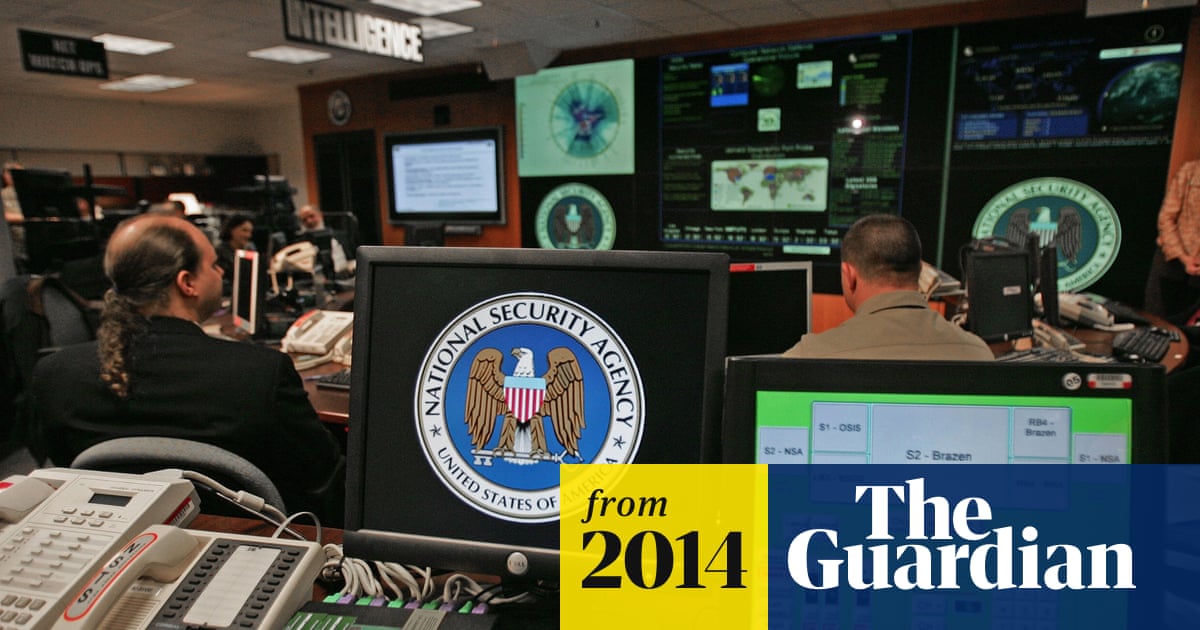
Privacy under attack: the NSA files revealed new threats to democracy
We now know the apparatus of repression has been attached to the democratic state, but our struggle for privacy is far from hopeless. By Eben Moglen
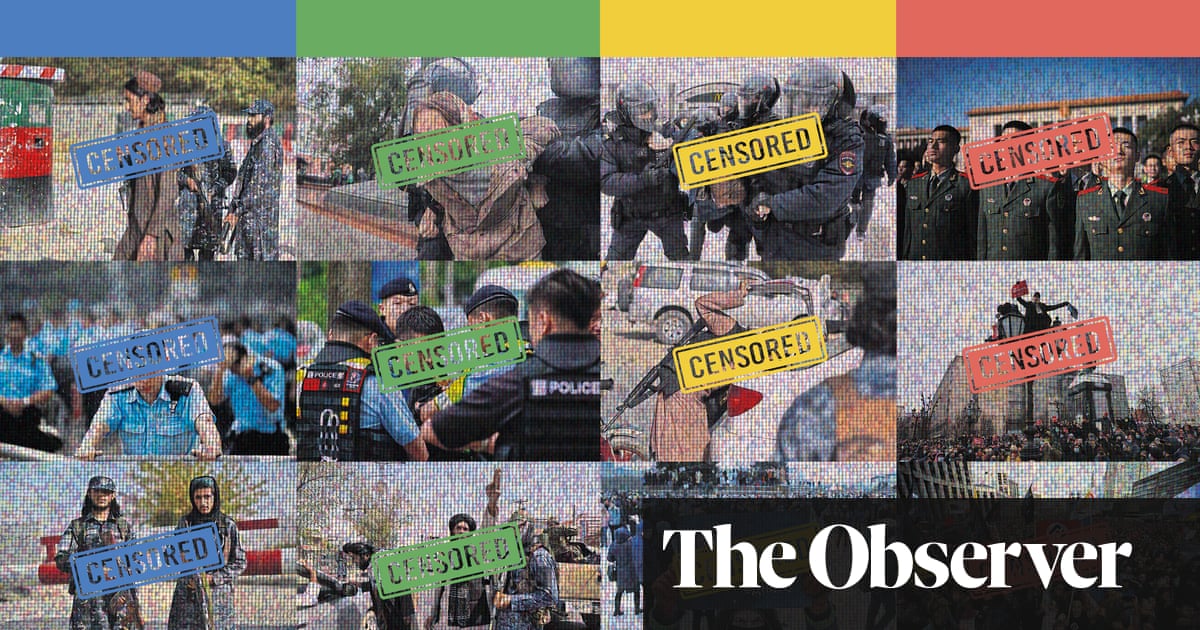
Revealed: Google facilitated Russia and China’s censorship requests
An investigation has exposed the tech firm’s cooperation with autocratic regimes to remove unfavourable content
The Russian ‘counterterrorism’ unit behind Alexei Navalny’s poisoning tried to automate its search for domestic dissent using Meta’s Llama 2. After a year and a half, the project collapsed. — Meduza
The FSB’s Second Service is officially charged with protecting the constitutional order and combating terrorism. In practice, the unit works to stamp out dissent in Russia: it has plotted the assassinations of opposition politicians, works to restrict internet access, and monitors the news for signs of dissent. To automate that last job, the “Dvoyka” — as the Second Service is known — commissioned an AI-powered system for monitoring news outlets and social media in the spring of 2024. The developer was the Kazan-based company Mikord, which had also worked on components of Russia’s unified military registry and was hacked in December 2025. iStories examined material from that breach relating to the FSB’s news monitoring system. The system was called PAUK — Russian for “SPIDER.”
Russian Bots Manipulate View Counts on Fake Videos Ahead of US Midterms
State-backed Matryoshka campaign targeting Democrats inflates view counts of fabricated stories, creating illusion of popularity.

By popular demand: A follow-up thread on Russian bots, Yandex, Cloudflare, MAGA, AfD and "breathing easier" on social media. 1️⃣ We see no "dramatic drop" in traffic of Kremlin-aligned human trolls-for-hire targeting Russian domestic users (which we have been tracking for years).
