


Wayfinding has many applications, and arguably the most important one is public transportation systems. Granted, there are many different ways to design such a system, and the politics and culture of the environment in which it will be integrated certainly plays a large role. Interestingly, often when we discuss transportation systems on the global scale, individuals are so quick to praise New York or London’s metro systems, Europe’s “high speed” rail system, or how “Uber is the most original new technology cities have seen”. All of these statements are subjective, but somehow they’ve become accepted fact, especially in the West, and I argue that anyone who gives European/American public transport that much praise is blissfully living in a bubble. As an international student who grew up in America and has visited most of its major cities, lived in China for two years, and is now studying in the Middle East, I’ve had the opportunity to use almost every public transportation system to exist. Old fashion taxis, the Maglev, high speed trains, shared bikes, shared mopeds, carpools, the bus, the metro, I have used them all, but nothing quite compares to the way China does public transport.
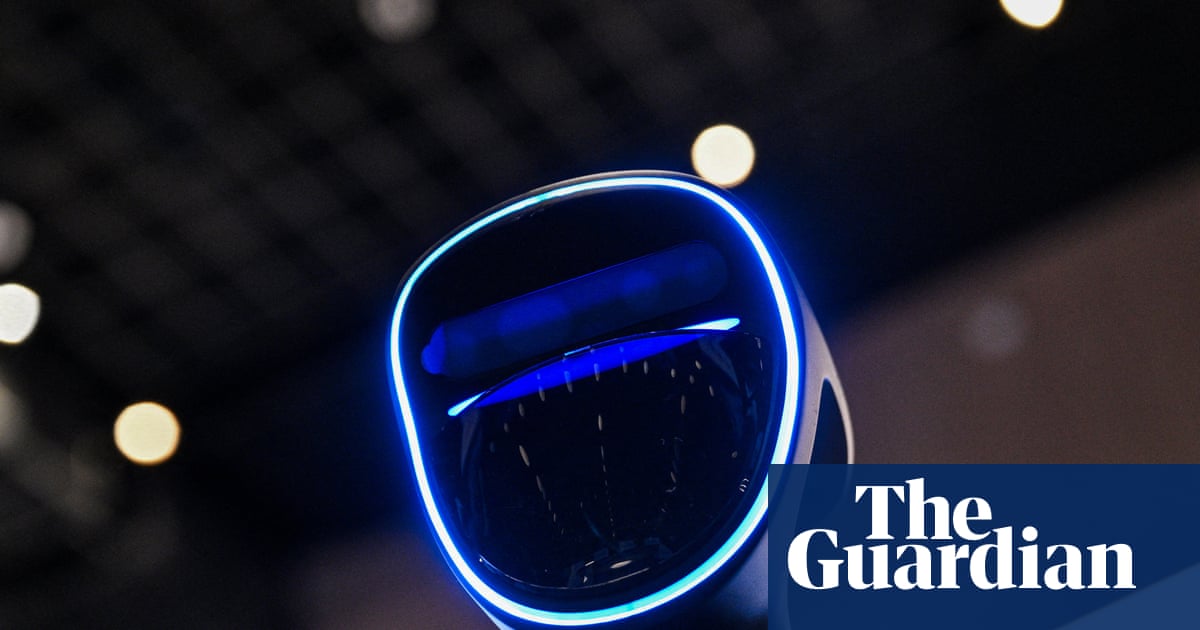
Inside China’s robotics revolution
The long read: How close are we to the sci-fi vision of autonomous humanoid robots? I visited 11 companies in five Chinese cities to find out
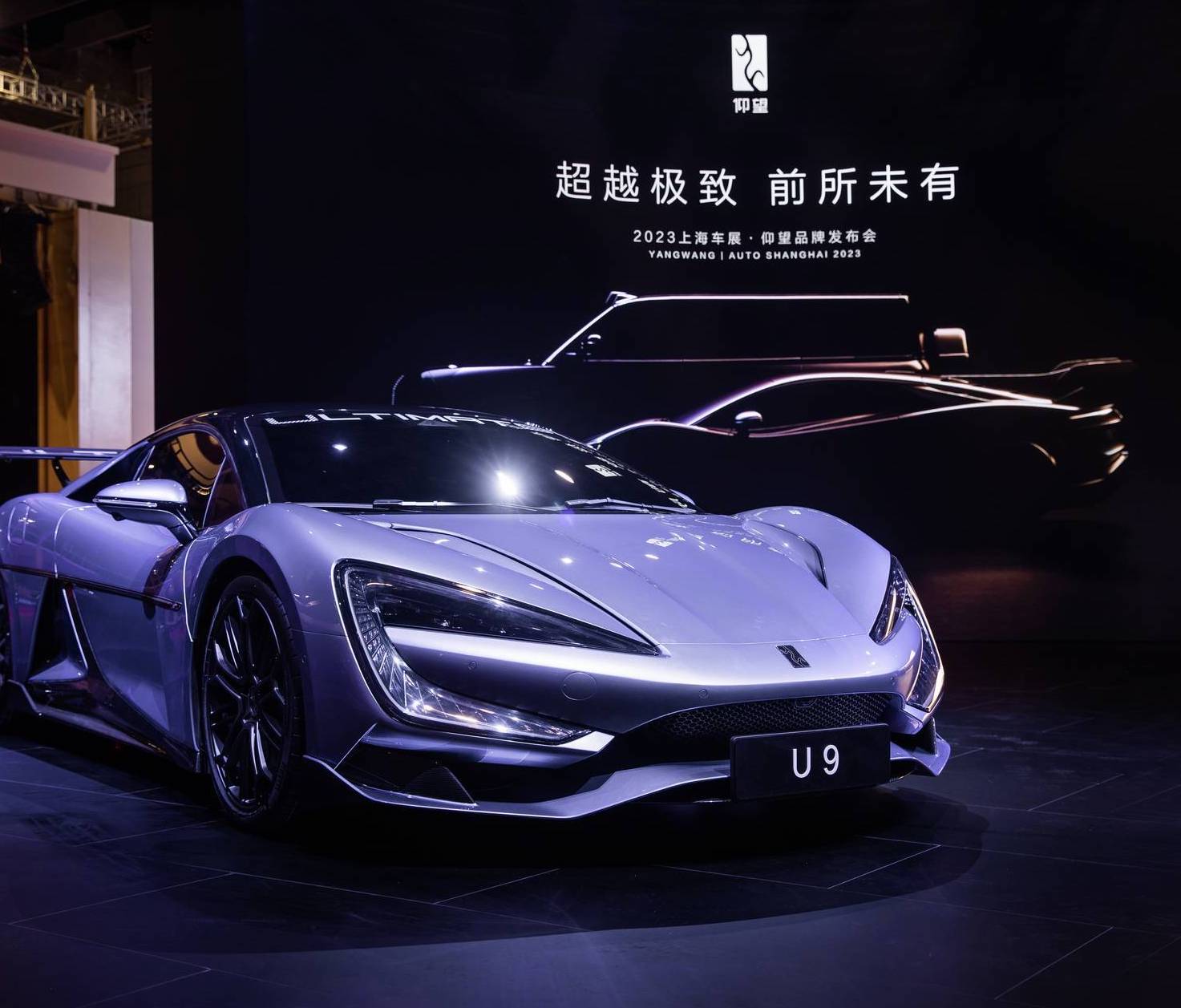
The Electric Vehicle Developmental State | Paolo Gerbaudo
BYD exemplifies transformations in Chinese industrial policy
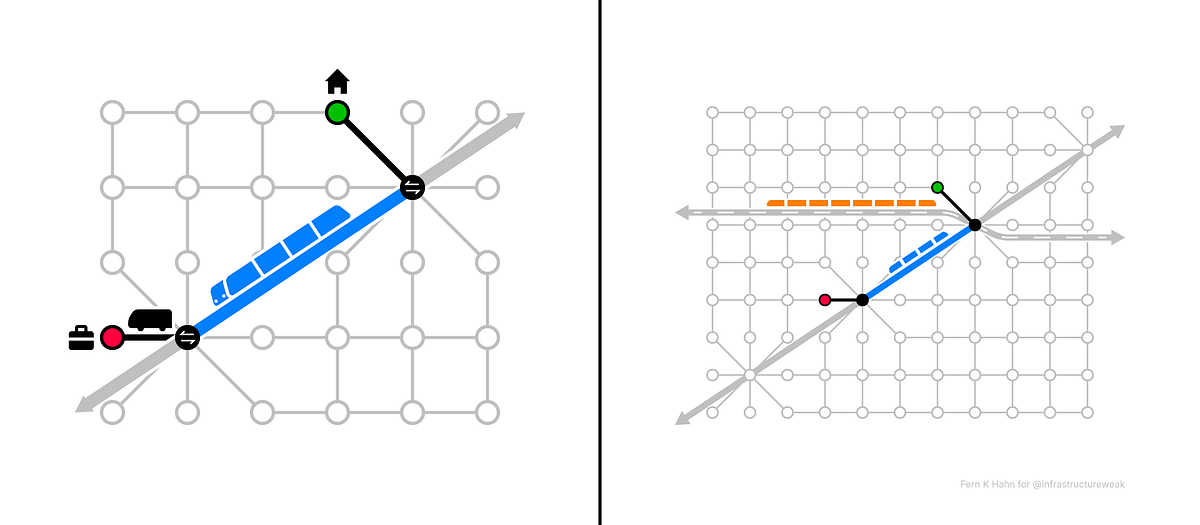
Designing a wayfinding concept for Vancouver's Skytrain system.
I wasn’t always a big fan of public transport.

Who’s Afraid of Chinese Models? (Stratechery Article 7-20-2026)
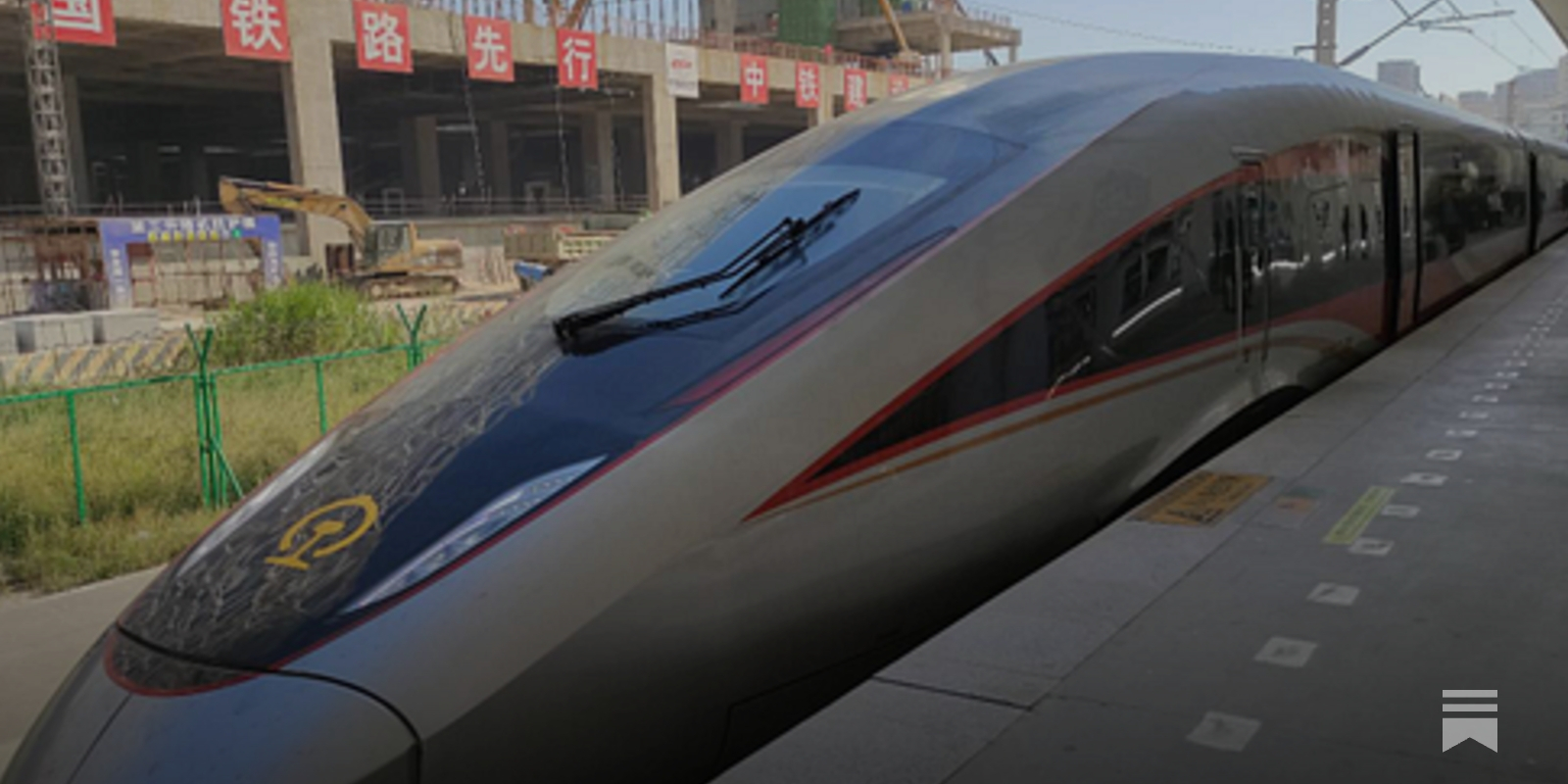
Will New Technology Make High-Speed Rail Obsolete?
Do new technologies undermine the case for fast trains?
Community Wealth Building — Urban Affairs Review
Scholars of urban politics have long debated the issue of what cities can and should do to promote the economic well-being of their residents. As the of election Zohran Mamdani illustrates, urban residents are increasingly demanding that city governments do more to address the increasingly exorbitant costs of housing, childcare, and transportation. One obvious solution is to raise taxes on the private holders of wealth. By the same token, his election has prompted handwringing on the right about the “inevitable” flight of capital out of New York City. Scholarship that runs the gamut from the public choice school associated with the “city limits” perspective (Peterson 1981) through to Marxian accounts (Logan and Molotch 1987) all recognize that the private ownership of wealth and the mobility of capital puts cities in a bind, especially in a context of highly circumscribed levels of federal urban spending. Though several scholars (Logan and Swanstrom 1990; Kantor and Savitch 1993; Schragger 2016) have demonstrated that cities have greater latitude to promote egalitarian public policies than these perspective allow, few would argue that the deep structural problems of economic and social inequality can be fully resolved by tax-and-spend liberalism (Imbroscio 2010).
The Future, Made in China
Beijing is competing with the U.S. for tech supremacy. Who wins will have huge political implications.

Wang Huning, “The Structure of China’s Changing Political Culture”
Wang Huning, “The Structure of China’s Changing Political Culture”[1] Introduction by Matthew D. Johnson Introduction Wang Huning (b. 1955) is widely viewed as China’s most powerful...

Plan the Geary metro right, right now
Part 1: Strong corridor; tight station spacing; frequent trains
Who’s Afraid of Chinese Models?
Everyone is worried about Chinese models, but the frontier labs will be fine; we need to enable open U.S. alternatives.

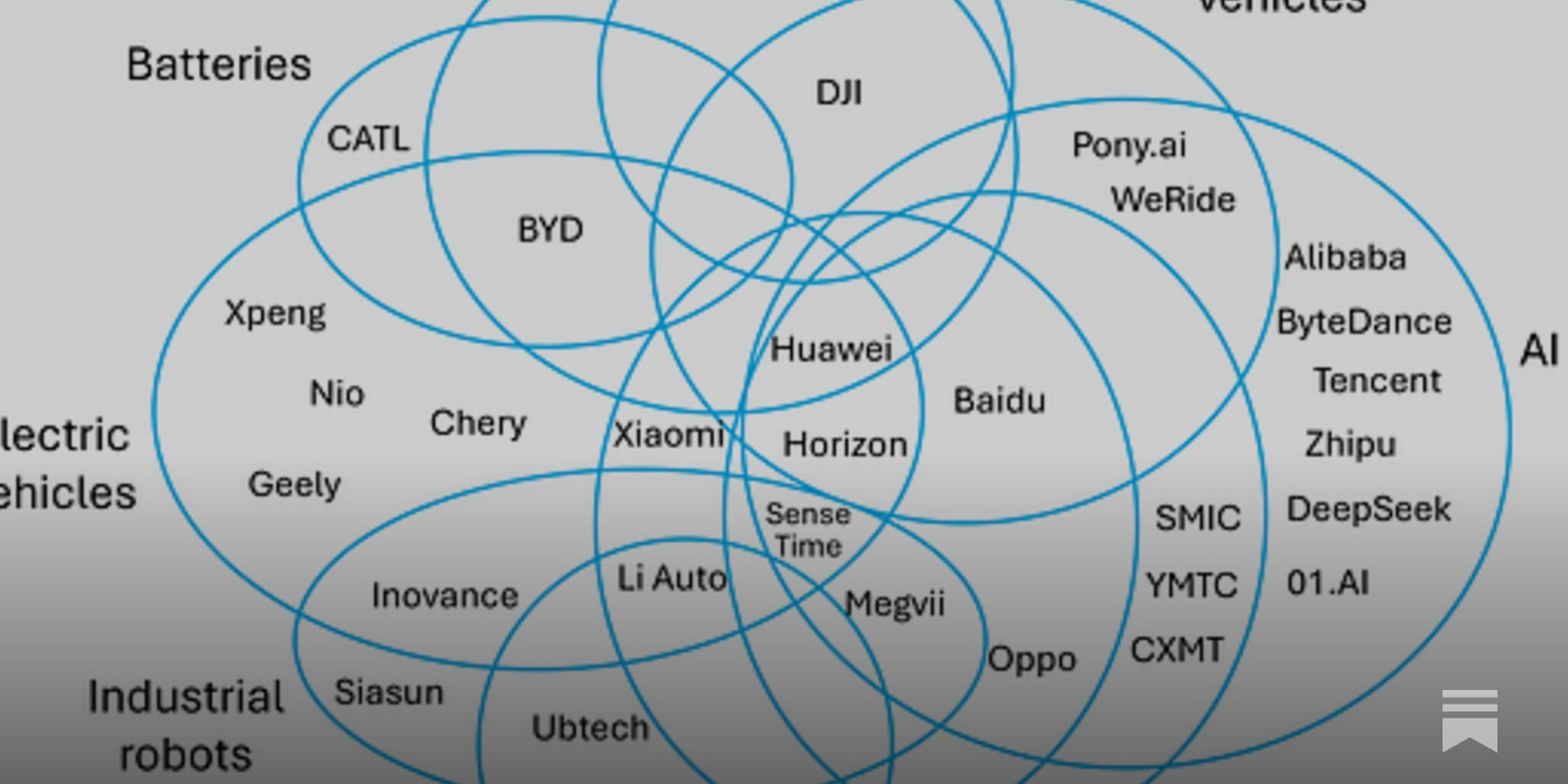
China's overlapping tech-industrial ecosystems
EVs, batteries, lidar, drones, robotics, smartphones, AI. China's progress across a range of overlapping industries creates a mutually reinforcing feedback loop.
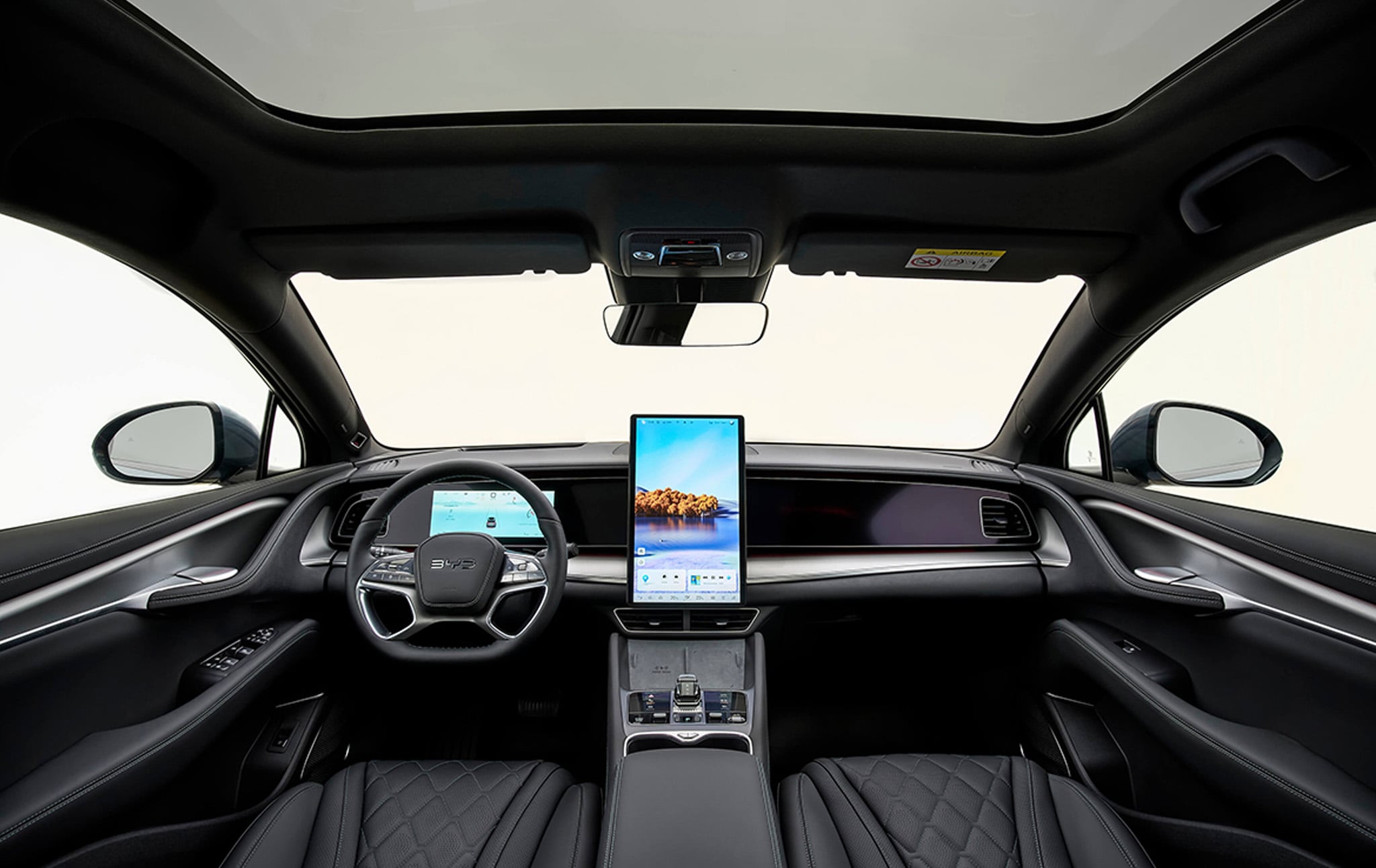
Why They Don’t Want You Driving a Chinese Car
Politicians say they have “national security concerns.” In fact, Chinese cars are better and cheaper, and American corporations know they can’t survive market competition.
Yohan on Twitter / X
For six months, Google Maps sent a slice of drivers in ten American cities down deliberately slower routes.About 30 seconds slower on average, and under 2% of trips were touched. The experiment ran on roughly 100 of the most congested road segments in each city, switching on… pic.twitter.com/5cshNdmWU2— Yohan (@yohaniddawela) August 28, 2026


