


I think one of those parts of current AI that there’s some consensus about is its use in translation. No-AI projects will cordon out a space for machine-translation in localisation tools; I’ve spoken to minority…
Attention is All We Have
When I made my predictions about machine translation in 2021, I wasn’t hoping for the state of the art to change sooner than it did—if for no other reason than it was how I made my living. But when it did change, I needed to know as much as I could about the nature of that change.
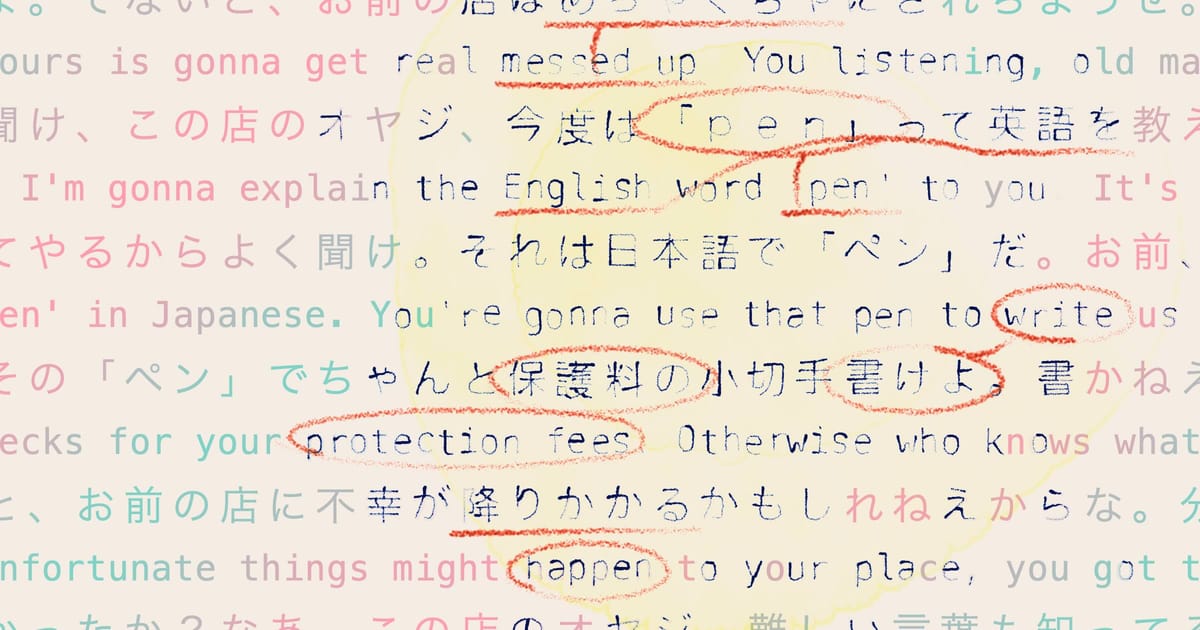
Google's AI translation tool seems to have invented its own language | World Economic Forum
Google's Neural Machine Translation system appears to have created its own language.

Stuff we figured out about AI in 2023
2023 was the breakthrough year for Large Language Models (LLMs). I think it’s OK to call these AI—they’re the latest and (currently) most interesting development in the academic field of …
Machine learning has been used to automatically translate long-lost languages
Some languages that have never been deciphered could be the next ones to get the machine translation treatment.

AI Killed My Job: Translators
Few industries have been hit by AI as hard as translation. Rates are plummeting. Work is drying up. Translators are considering abandoning the field, or bankruptcy. These are their stories.

Kagi Translate
Kagi Translate uses powerful AI models to instantly and accurately translate any content in any language.

Software Translation Management System
POEditor is a translation management system where human expertise meets AI localization. Simple to start, scalable as you grow. Trusted by teams worldwide.

The Thoughts The Civilized Keep
The hype around a new AI language generator reveals the sterility of mainstream thinking on AI today — and indeed on how we think about thinking itself.

DeepL AI Platform: Translation, Voice & API
Explore our AI suite and get more done: Translate speech, text, and media, or integrate the DeepL API.

The Great A.I. Awakening (Published 2016)
How Google used artificial intelligence to transform Google Translate, one of its more popular services — and how machine learning is poised to reinvent computing itself.

There are no lossless transformations of natural-language text
In my work at Clay I recently wrote an internal policy on acceptable use of AI writing by engineers, and I’m sharing it here. It’s my hope that one day better AI tools might be able to help us think, but until then I fear that using AI to write does the exact opposite.
Looking for AI use-cases — Benedict Evans
We’ve had ChatGPT for 18 months, but what’s it for? What are the use-cases? Why isn’t it useful for everyone, right now? Do Large Language Models become universal tools that can do ‘any’ task, or do we wrap them in single-purpose apps, and build thousands of new companies around that?
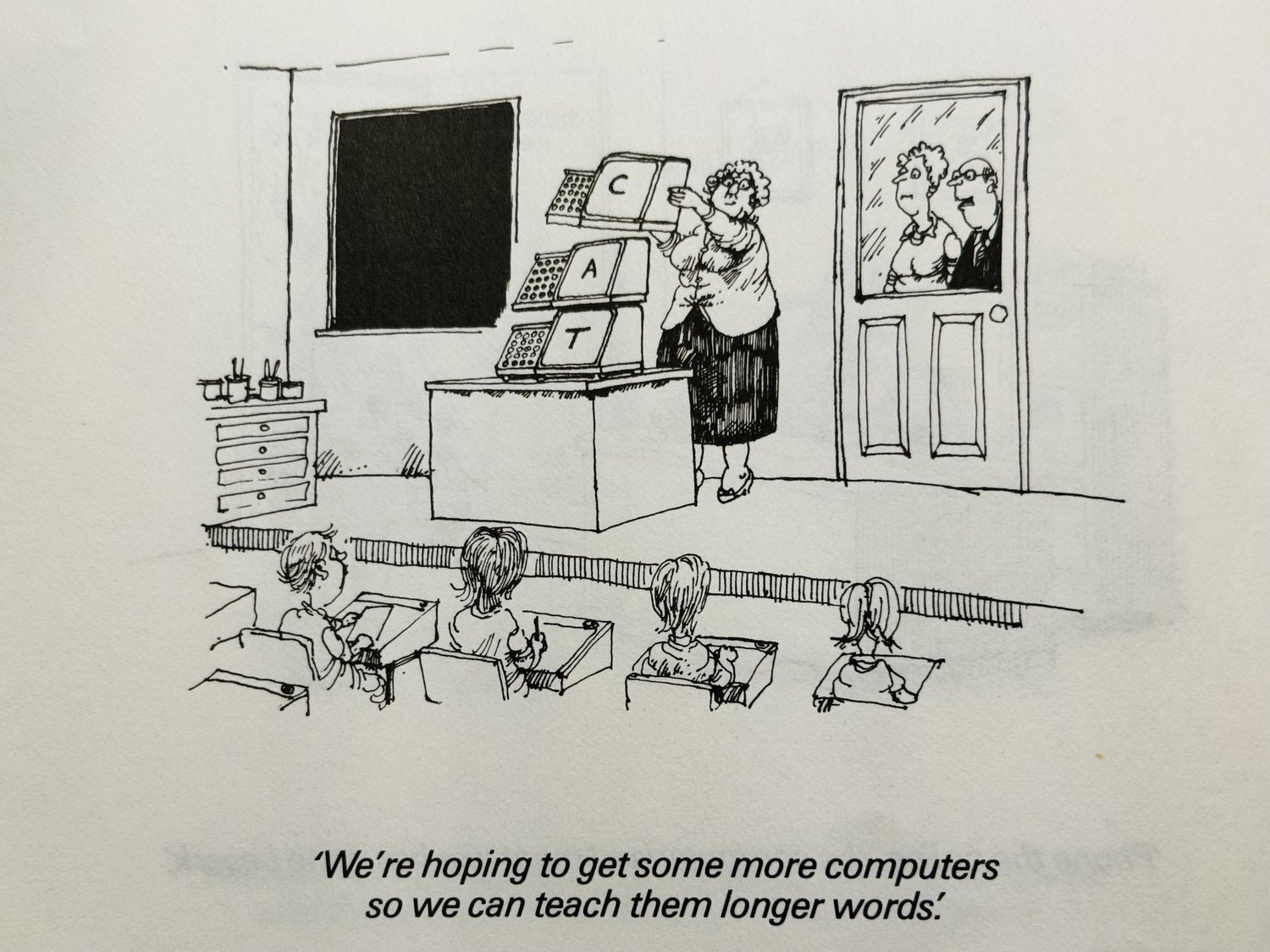
Language and AI: Guy Emerson on using AI with language data | Cambridge Language Sciences
It's a funny time to be working on language and AI. A year ago, this might have seemed like a niche interest, but these days ‘large language model’ is practically a household term. I recently had the chance to speak about language and AI at an event run by the Centre for Science and Policy, and I thought I would write a summary, because it seems a lot of people are interested in learning about how AI can be used with language data.
Inside India’s scramble for AI independence
Structural challenges and the nation’s many languages have made it tough to develop foundational AI models. But the government is keen not to be left behind.

Computational hermeneutics: evaluating generative AI as a cultural technology
Generative AI (GenAI) systems are increasingly recognized as cultural technologies, yet current evaluation frameworks often treat culture as a variable to be measured rather than fundamental to the system's operation. Drawing on hermeneutic theory from the humanities, we argue that GenAI systems function as "context machines" that must inherently address three interpretive challenges: situatedness (meaning only emerges in context), plurality (multiple valid interpretations coexist), and ambiguity (interpretations naturally conflict). We present computational hermeneutics as an emerging framework offering an interpretive account of what GenAI systems do, and how they might do it better. We offer three principles for hermeneutic evaluation—that benchmarks should be iterative, not one-off; include people, not just machines; and measure cultural context, not just model output. This perspective offers a nascent paradigm for designing and evaluating contemporary AI systems: shifting from standardized questions about accuracy to contextual ones about meaning.

Machine translation

Both AI and non-AI. To clarify my position, I don’t trust machine translation (based on Japanese-to-English and vice versa, but especially the former) and believe it should be reserved for personal use only and definitely not anything public-facing by a company/government/etc. that should have the budget to hire a translator.
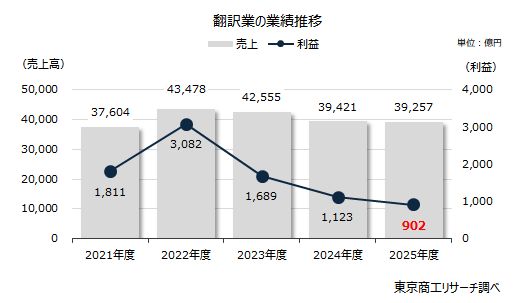
翻訳業が苦境、利益は3年で7割減 ~ AIと競合で破産したケースも ~ | TSRデータインサイト | 東京商工リサーチ
What Google Translate Gets Wrong
Wikipedia:LLM-assisted translation
Wikipedia:Writing articles with large language models
Wikipedia Bans AI-Generated Content

OKA - Wiki pages tracker (oka.wiki/tracker)