

On Making
TLDR: I gain a lot of fulfillment by making things. I don't consider things built by others at my request to be made by me, and are therefore much less fulfilling. And then I feel sad. This article starts strong and then heads off into the weeds.
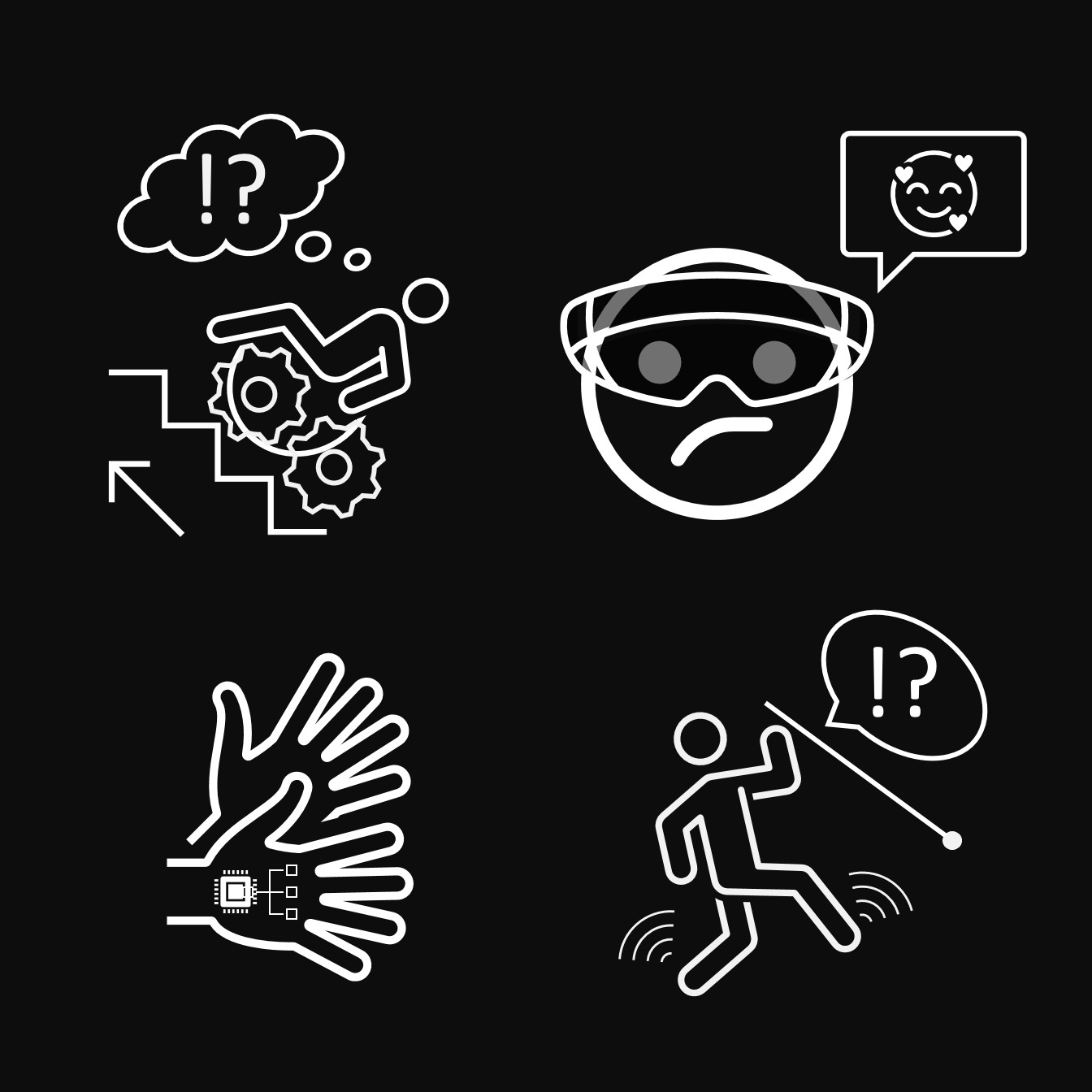
Disability Dongle
Disability Dongles are contemporary fairy tales that appeal to the abled imagination by presenting a heroic designer-protagonist whose prototype provides a techno-utopian (re)solution to the design problem. Disability Dongle rhetoric instills in students the value of a quick fix over structural change, thus preventing them from seeking out, participating in, and contributing to existing inquiry. By labeling these material-discursive phenomena—the designed artifacts and the discourse through which their meaning is constituted—we work to shift the focus from their misguided concern about our bodies to their under-analyzed intentions and ambitions.
An A.I. Songwriting Experiment: Humans Against the Machine
Five humans convened for a weekend to create new music from scratch. Could they do better than A.I.? Could you even tell the difference?



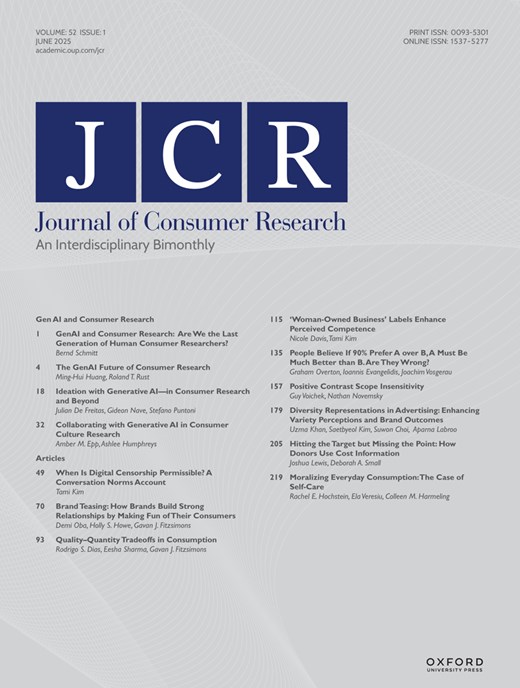
Ideation with Generative AI—in Consumer Research and Beyond
Abstract The use of generative AI (genAI) in consumer research is rapidly evolving, with applications including synthetic data generation, data analysis, and more. However, their role in creative ideation—a cornerstone of consumer research—remains underexplored. Drawing on the human creativity literature, we propose that ideation with genAI is facilitated by its productivity and semantic breadth, which are psychologically analogous to the dual pathways of persistence and flexibility in human ideation. Further, we distinguish between the utility of genAI as a key ideator versus humans as key ideator, conceptualized through the genAI ideation roles of Designer and Writer and of Interviewer and Actor. While genAI excels in generating incremental improvements, its potential for groundbreaking innovation could be unlocked by leveraging its ability to prompt human creativity. This article advances the theoretical and practical understanding of genAI in ideation for consumer research, offering numerous practical guidelines for integrating generative AI into research while emphasizing human–AI collaboration to achieve radical insights.
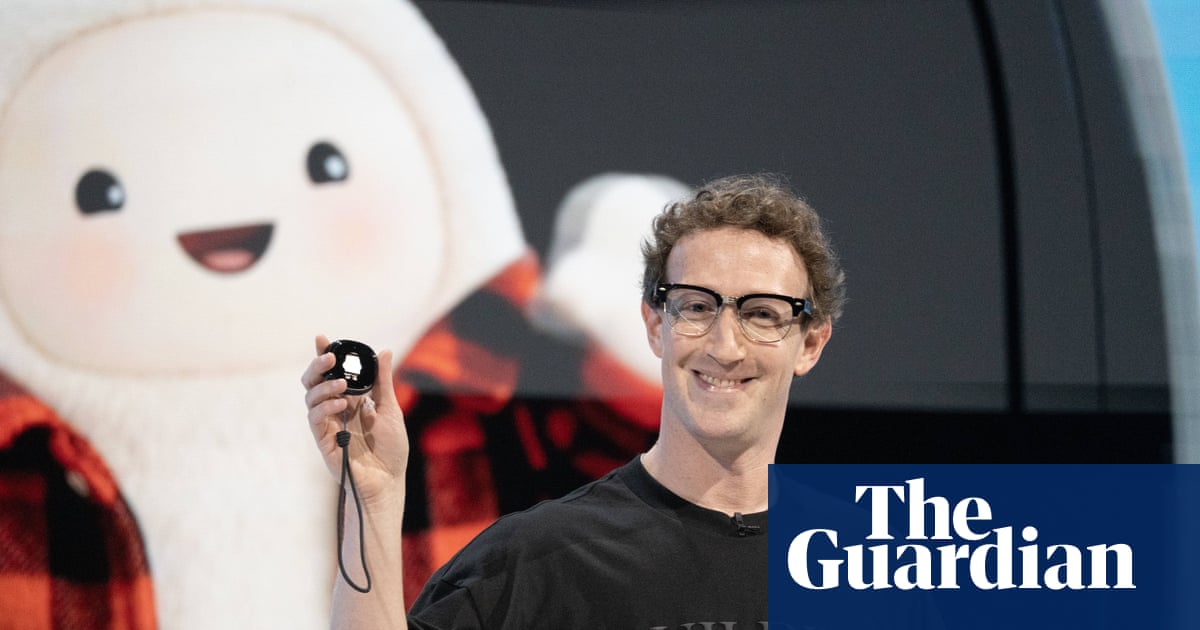
‘Charming and disarming’ … how Meta’s technology-packed Muse harnesses the power of cuteness
The tech giant has launched a cute ‘little guy’ that can answer emails, book travel or do your weekly food shop
Tinkered Thinking
Daily, snackable writings to spur changes in thinking.Building a blueprint for a better brain by tinkering with the code.
Quotes
I have a theory, which has not let me down so far, that there is an inverse relationship between imagination and money. Because the more money and technology that is available to [create] a work, the less imagination there will be in it.
Quotes
I have a theory, which has not let me down so far, that there is an inverse relationship between imagination and money. Because the more money and technology that is available to [create] a work, the less imagination there will be in it.
MAiD, ableism, cognitive accessibility, and more
This one took a bit to write. The first piece is long (1,600+ words), and intense. But it needed to be said. I'll be interested to hear what you think. You...

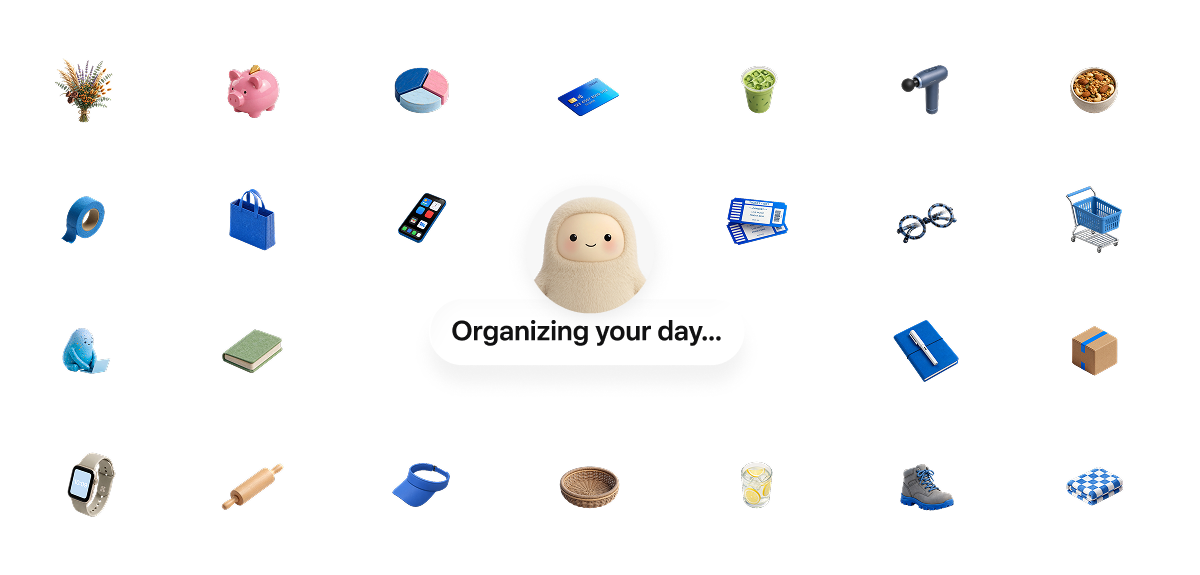
How We Designed Muse
For us, Muse gives us back the scarcest thing we have: time with the people we love.
How to be more creative in seconds!
Technology is a Siren Song
Orangutan thinking This started with a question I asked myself: How do our minds change when we can receive a plausible, informed, and convincing answe...

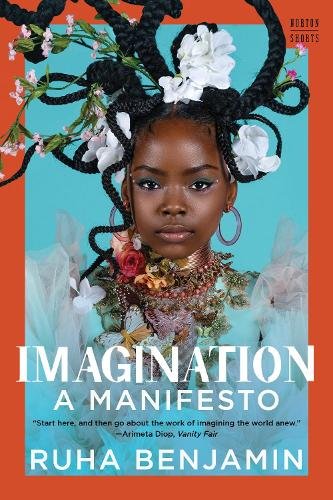
I'm thinking about what *generatives* are most applicable in the atmosphere — per Kevin Kelly, "better than free" qualities that can't be copied even on the internet: edge.org/conversation/kevin_kelly-bett… Things like contextualization, personalization, sensemaking…ideas? Need to write about this more!
