Explorations into the human need to escape the surface of the earth. A mashup of architecture, aeronautics, evolutionary psychology, anthropology, anatomy and human pre-history
Designs for the pluriverse: radical interdependence, autonomy, and the making of worlds
"Arturo Escobar presents a new vision of design theory by arguing for the creation of what he calls 'autonomous design'--a design practice aimed at channeling design's world-making capacity toward ways of being and doing that are deeply attuned to justice and the Earth"--Publisher description

Holosapiens
Holosapiens explores the evolution of human consciousness, collective intelligence, and distributed social architectures.
Space Exploration and the Age of the Anthropocosmos
The new generation of space architects can learn from our successes and failures in protecting the internet commons and build a better paradigm for space.

Culture on the Ground - Tim Ingold, 2004
Classical accounts of human evolution posit a progressive differentiation between the hands as instruments of rational intelligence and feet as ...

Constellation
Building foundation models of human state to understand brains, bodies, and environments
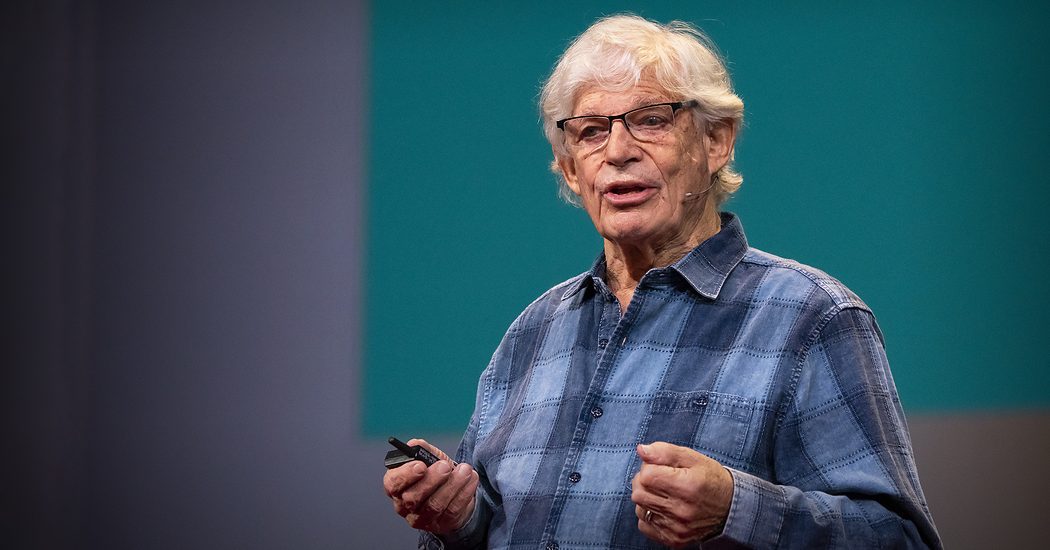
Stuart Kauffman: The "adjacent possible" — and how it explains human innovation
From the astonishing evolutionary advances of the Cambrian explosion to our present-day computing revolution, the trend of dramatic growth after periods of stability can be explained through the theory of the "adjacent possible," says theoretical biologist Stuart Kauffman. Tracing the arc of human history through the tools and technologies we've invented, he explains the impact human ingenuity has had on the planet -- and calls for a shift towards more protection for all life on Earth.
Links between the discovery of primates and anatomical comparisons with humans, the chain of being, our place in nature, and racism
- For more than a millennium humans knew more about the internal anatomy of a single monkey species than about that of their own bodies, because Galen used monkeys to infer human anatomy, in line wit...

On the Design of Escaped Realities
Human beings have this amazing ability to retreat from reality without knowing precisely what reality is, in which direction it lies, and how to solve the…

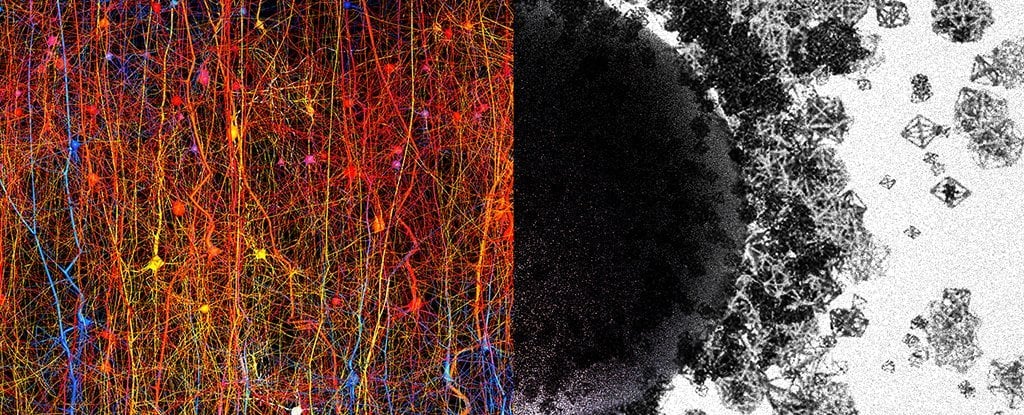
Scientists Find Evidence The Human Brain Can Create Structures in Up to 11 Dimensions
"We found a world that we had never imagined."
Ethics and Aesthetics: Could beauty be the key to a more humane design?
Design has transformed from an artistic handicraft into an engineering job. What was lost when aesthetics left the stage was the humanity of design.
The Self Illusion: How Our Social Brain Constructs Who We Are
Hume was a neuroscientist, or what early aviation has to do with the psychology of identity.

Ponomareva, The Human Factor in Space Exploration
by Valentina Ponomareva in Vladimir Orel, ed., Institut istorii estestvoznaniia i tekhinki. Godichnaia nauchnaia konferentsiia, 1998 [Proceedings of the 1998 annual conference of the Institute for the History of Natural Science and Technology], Moscow, pp. 614-18.

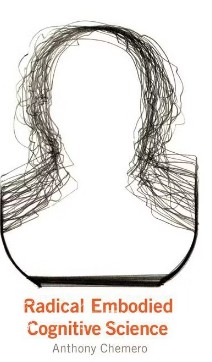
562 – Ecological Cognition III: Radical Embodied Cognitive Science (part 1)
562 Continuing the journey in understanding the Ecological approach to cognition by looking at Tony Chemero’s book: Radical Embodied Cognitive Science. Conceptualizing cognition in terms of agent-environment dynamics instead of computation and representation. What is RECS, and where did these ideas come from?Download link
The Unbearable Brightness of Seeing
Is “frame architecture” our escape route from the dogma trap of endless culture wars?