

On Monday December 8, MPs will debate the introduction of a national digital ID card.
No2DigitalID — Big Brother Watch
A national digital ID system is not inevitable. We can stop Britain sleepwalking into becoming a database state. Support our campaign to create a legal right to use non-digital ID!

Digital identification: The hidden and visible implications
Countries are rolling out digital identification schemes, but citizens are protesting about loss of privacy and misuse of data. They may have a point.

The UK’s War on Anonymity Has Come to America — Effort
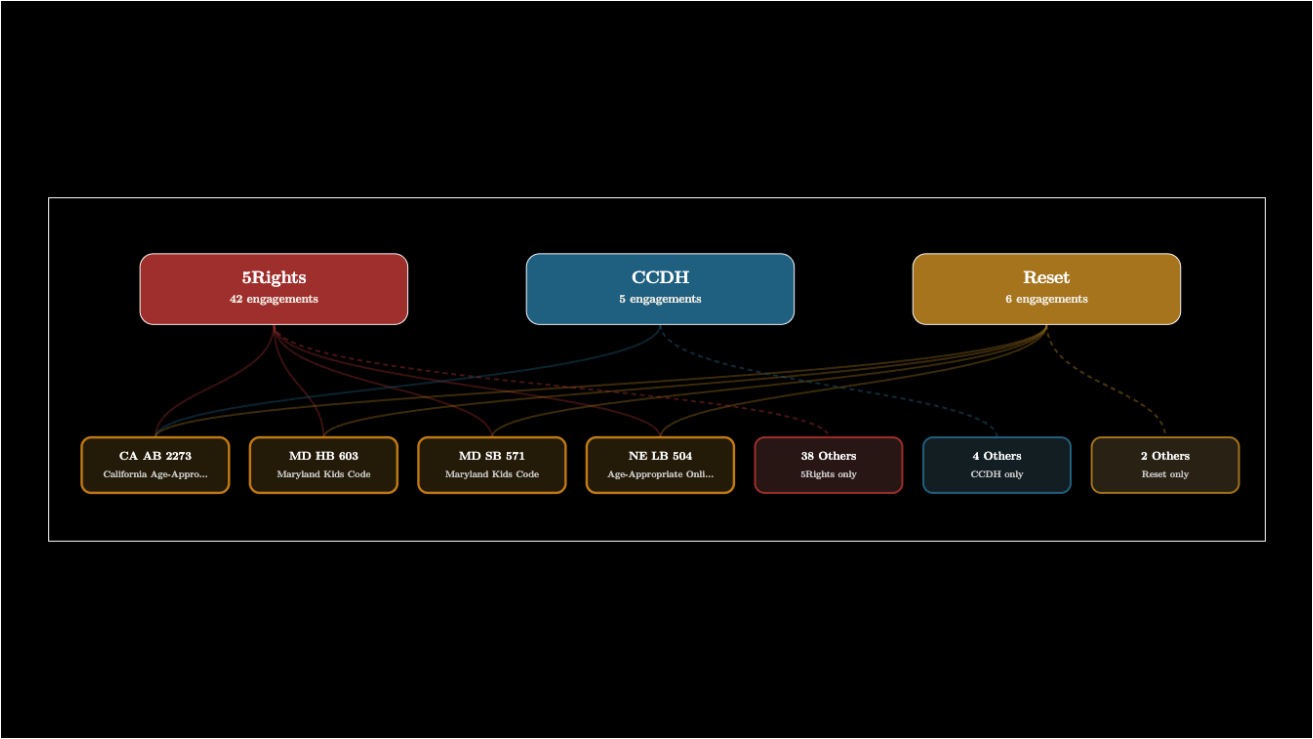
The NGOs Behind Britain's Digital ID Laws are Targeting American Statehouses
Lessons from National Digital ID Systems for Privacy, Security, and Trust in the AI Age
CJ Larkin and Renée DiResta surface lessons from existing national ID schemes relevant to the evolution of digital identity in the age of AI.

Digital ID: What it means for the digitally excluded – Digital Poverty Alliance
By 2029, proving your right to work in the UK may no longer mean showing a passport or residence permit. Under Government proposals, it could require a digital

In defense of the National ID and Digital ID
Having watched another round of the British NO2ID debate, which has opposed the introduction of a single national ID document since 2004, I cannot help but notice a rather drastic misconception of the
A Landscape Survey of Private Digital Credentials
CJ Larkin and Renée DiResta examine digital ID endeavors to understand what drives adoption, what facilitates trust, and how privacy and security trade off.
Hackers Had A Live Feed Of Every ID This Verification Company Scanned. For Over A Year.
From the very beginning of this recent obsession with identifying everyone online (yes, they like to call it “age” verification, but it always ends up as identity verification), we̵…

There’s Only One State That is Asking the Right Questions About Digital Identity | ACLU
A digital ID system involves value-laden choices that should be made through explicit political discussion and debate
Zero Knowledge Proofs Alone Are Not a Digital ID Solution to
In the past few years, governments across the world have rolled out digital identification options, and now there are efforts encouraging online companies to implement identity and age verification
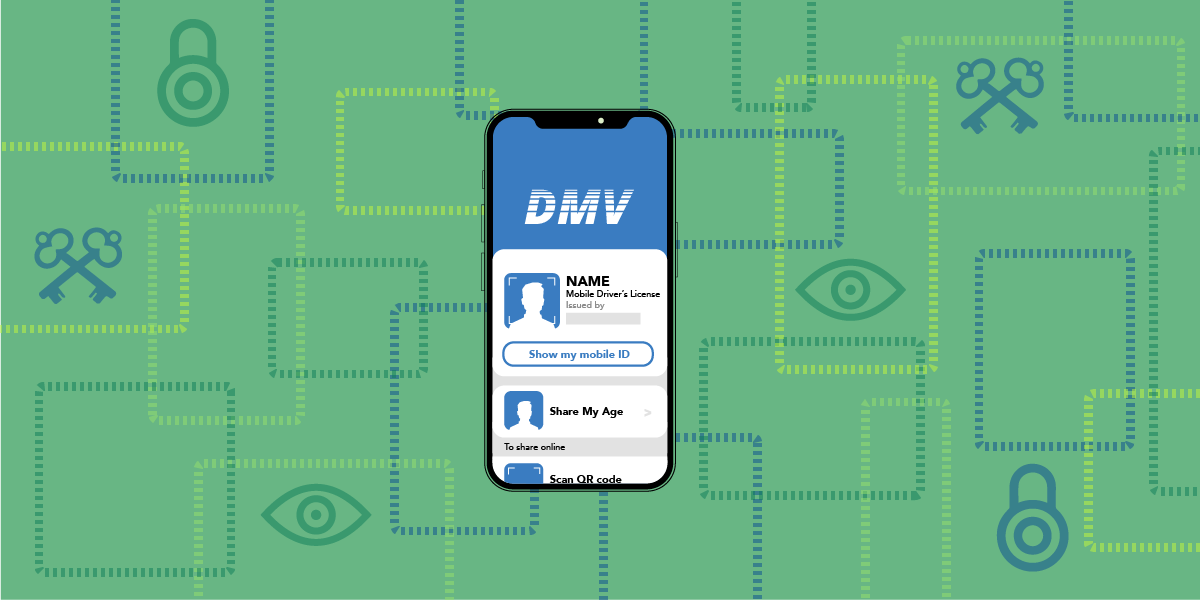
‘Age Verification’ could force trans people to out themselves to use the internet
Automated online ID checking systems add new potential dangers to having a mismatching ID.

When No ID Means No Internet: Age Verification and the Right to
Age verification proposals are often presented as a simple tradeoff: sacrifice a little privacy to better safeguard children online. But that framing overlooks a more fundamental question. What
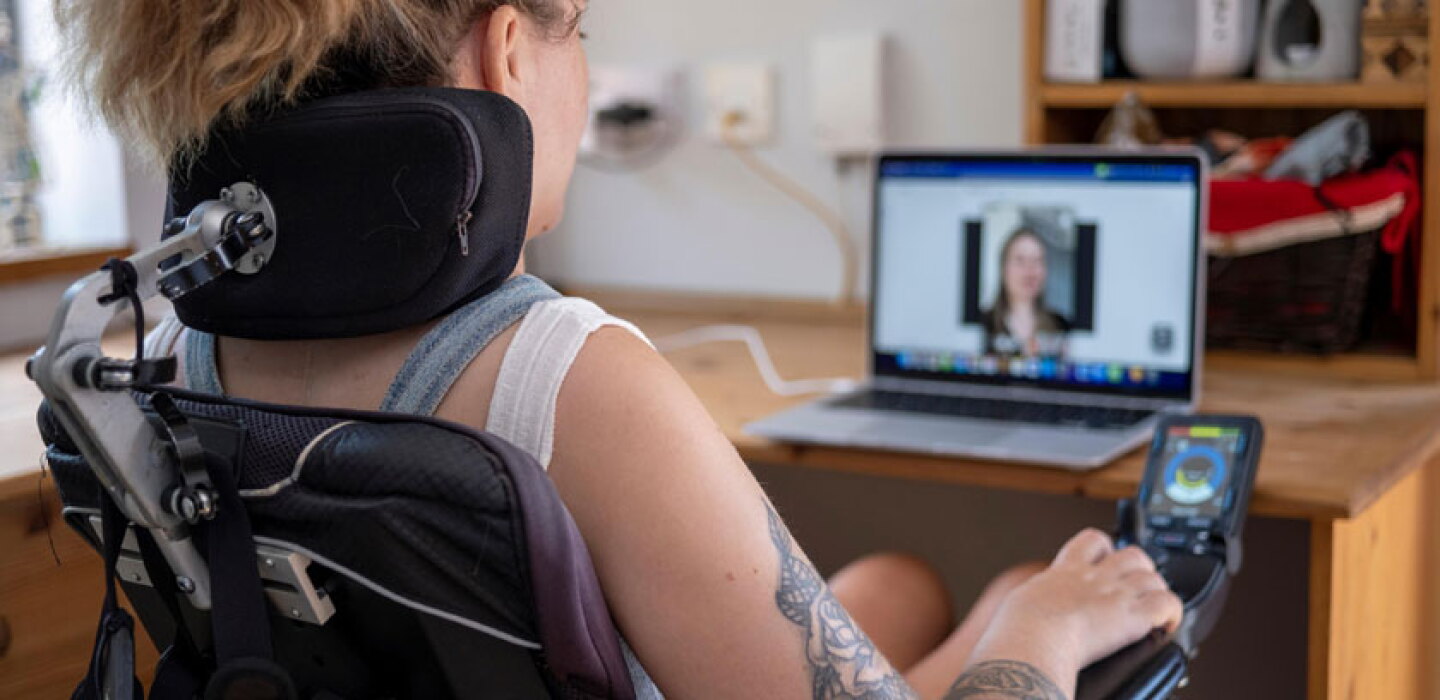
How Digital IDs Could Help and Harm People With Disabilities
While mobile IDs promise new access for people with disabilities, a "one ID, one device" model and accessibility failures threaten to exacerbate the digital divide, according to experts in the field.
The Age Verification Privacy Paradox: Why Document Uploads Hurt Everyone—and How World Solves It
Age verification is now required by many digital platforms worldwide, but most systems create new risks for user data and privacy. This article explores why document-based age verification exposes everyone to greater risk—and how privacy-first technology like World ID offers a safer path for consumers and platforms.

"Pushed into the Shadows": Evidencing Digital Surveillance Chilling Effects and the Erosion of the Rights to Freedom of Assembly and of Association
SummaryThe United Nations Special Rapporteur on the Rights to Freedom of peaceful assembly and of association, Gina Romero, presents "Pushed into the Shadows: Evidencing digital surveillance chilling effects and the erosion of the rights to freedom of assembly and of association". This Global Study documents the profound impact that pervasive digital monitoring exerts on fundamental public freedoms. Moving beyond traditional privacy-centric narratives, the Study details how contemporary surveillance ecosystems induce serious chilling effects.

The Digital Identity Event Horizon
A five year investigation into digital identity and its central role in creating brittle societies.