


Learn how to properly design RESTful APIs communication with clients, accounting for request structure, authentication, and caching.
The Art of Writing Amazing REST APIs
When writing APIs, REST (short for representational state transfer) is considered the standard. And yet, REST itself isn’t actually a …

A brief history of Web APIs
A quick summary of Web APIs, both prior to and subsequent to the REST revolution

Developing The Language We Need To Communicate Throughout The API Lifecycle
We are still in the infancy of the API economy, and now with barely 14 years of evolving web API design, we are only just now developing the languages we wil...

Node.js and Express Tutorial: Building and Securing RESTful APIs
How to easily develop and build RESTful APIs with Node.js and Express, while securing it with Auth0. Build a demo that allows third-party clients to make requests to API and manipulate resources.

The API Journey
I’ve been researching the API space full time for the last eight years, and over that time I have developed a pretty robust view of what the API landscape lo...

APIs Are Often Just A Facade That Is Covering Up The Legacy View Of World
I was exchanging emails with someone regarding API design considerations at their large institutions today, and where they could find healthy patterns for AP...

</> htmx ~ Hypermedia APIs vs. Data APIs
In this essay, Carson Gross explores the fundamental differences between hypermedia APIs and data APIs, He explains how hypermedia APIs, which return HTML over HTTP, can embrace frequent changes due to their self-describing nature, while data APIs require more stability and versioning to avoid breaking client code. Carson argues that these distinct characteristics should inform different design approaches for each type of API.
Progressive Enhancement with the WordPress REST API – Pre-Thought Listen
In a REST API discussion today, we discussed the future of the REST API. Something I touched upon briefly in that meeting is the concept of progressive enhancement with the REST API. Since this topic hasn’t been brought up much previously, I want to elaborate on how progressive enhancement works.
Comparing different ways to make HTTP requests in Javascript
Concise, useful JavaScript lessons — make it easy.

Introduction to the DataCite REST API
About the DataCite REST API The DataCite REST API enables retrieval, creation, and update of DataCite DOI metadata records and account information. The API is generally RESTful and returns results in JSON (following the JSON:API specification). REST API Reference 📘 Access the REST API Reference to ...

Three Elements of a Good API README
Sometimes, offering an API README is enough. What are the elements that make it good?

The Web is my API
I've always been fascinated by the potential of the web as an API, an idea I first encountered through Michael Mahemoff's work with microformats and CORS. While technologies like Web Intents explored similar concepts, they proved more complex. The core idea remains powerful: enabling direct client-side interaction between websites to bypass the complexities of server-side integrations. Although CORS is widely supported, its complexity hinders adoption. With the rise of client-side generated sites, the need for decentralized integration is stronger than ever. Tools like Comlink, by abstracting the complexities of postMessage and MessageChannel, make it easier to expose and consume client-side APIs. I demonstrated this with a simple example integrating a pubsubhubbub endpoint with a push notification service. This approach offers several advantages, including simplified data transfer, offline capabilities, and secure, controlled exposure of functionality. Looking ahead, I envision a future where every website exposes a consistent, discoverable API, enabling a more interconnected and modular web experience.
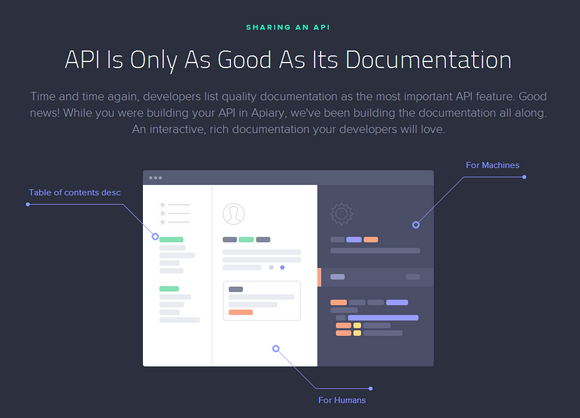
Apiary Helps You Build Beautiful APIs
Apiary helps you build beautiful APIs with collaborative design, instant API mock, generated documentation, integrated code samples, debugging and
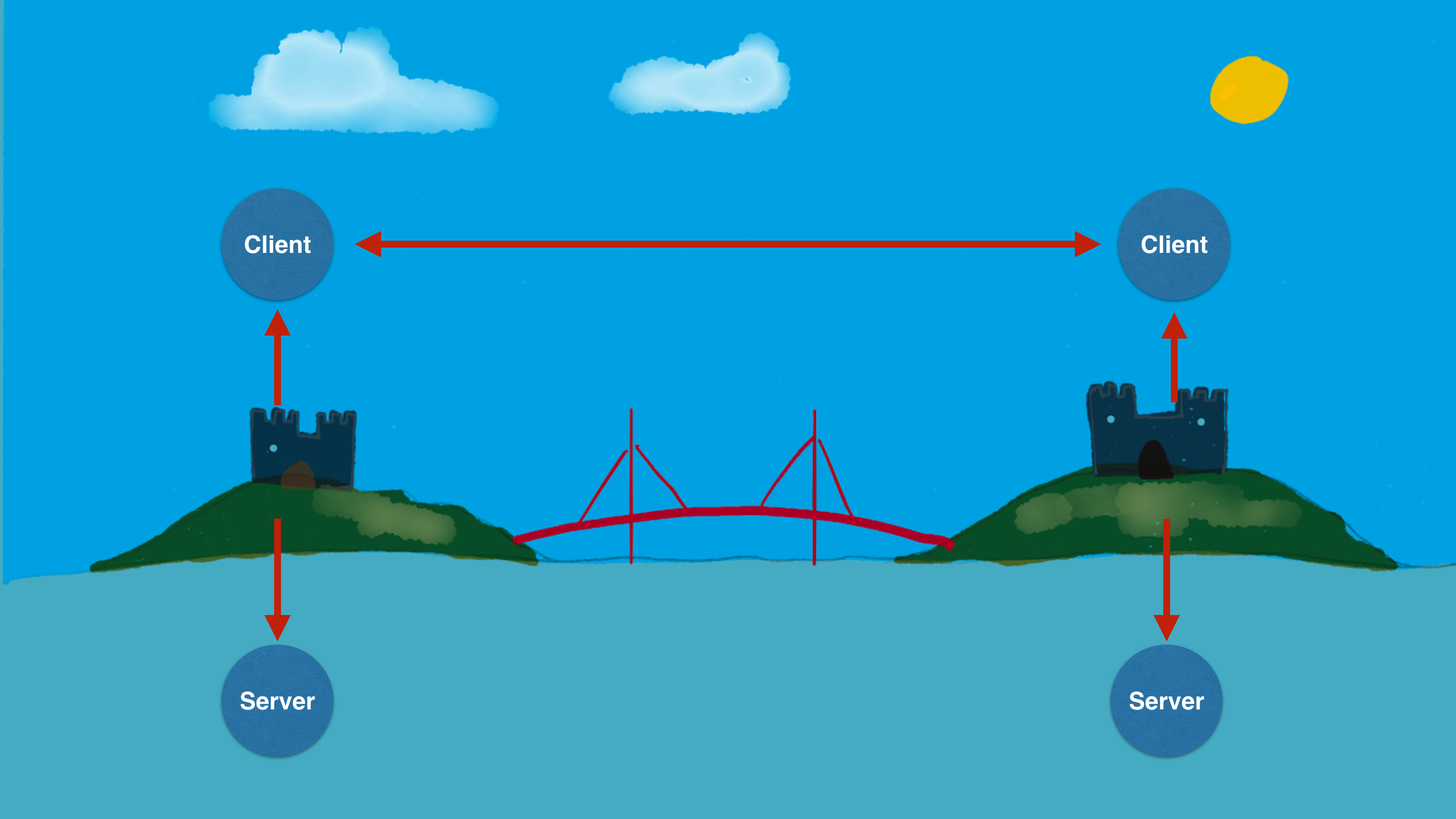
Hypermedia APIs
HTTP: The Protocol Every Web Developer Must Know—Part 1
Learning the fundamentals of the World Wide Web is crucial, especially if you are planning to build web apps. And HTTP is at the heart of any web application you could build. HTTP stands for...

Introducing the HyperMap Stack
A brief introduction to HyperMap, a new RESTful API stack which supports client-side code execution