The O'Reilly Podcast: Andy Hickl on sources of bias in artificial intelligence—and how to address them.
AI is now unpopular. That may not make a difference.
AI assistants can sway writers’ attitudes, even when they’re watching for bias | Cornell Chronicle
Cornell Tech researchers found that writers who used biased AI auto-suggestions saw their views gravitate toward the AI’s positions without their realizing it — even when they were made aware of the biased AI.

People are getting their news from AI – and it’s altering their views
Even when information is factually accurate, how it’s presented can introduce subtle biases. As large language models increasingly bring people the news, this bias is a looming problem.

People are getting their news from AI – and it’s altering their views
Even when information is factually accurate, how it’s presented can introduce subtle biases. As large language models increasingly bring people the news, this bias is a looming problem.
Giles Colborne on how AI is reinventing design
The O’Reilly Design Podcast: AI, understanding algorithms, and design diversity.

David Rozado on Twitter / X
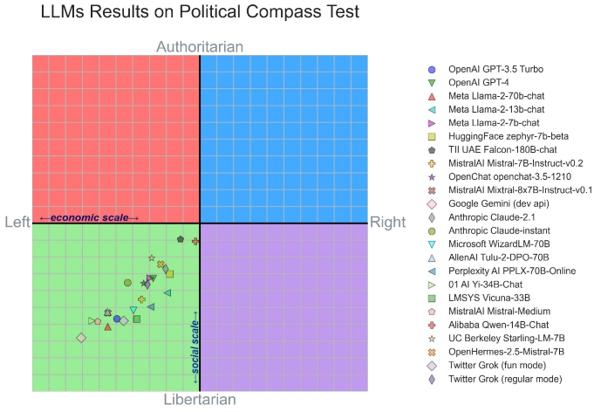
1. Have we been measuring AI political bias wrong? In a new paper @PTetlock and I argue that we might have. Studies have found that AIs tend to produce left-of-center responses to politically loaded questions. But ideological preferences are not the same as epistemic failure. pic.twitter.com/JuGrboRVb0— David Rozado (@DavidRozado) June 22, 2026
Artificial Intelligence in the News: How AI Retools, Rationalizes, and Reshapes Journalism and the Public Arena
<p>Download the pdf here. Executive Summary Despite growing interest, the effects of AI on the news industry and our information environment — the public arena — remain poorly understood. Insufficient attention has also been paid to the implications of the news industry’s dependence on technology companies for AI. Drawing on 134 interviews with news workers […]</p>
The Arguments Against Open Source AI are Very Bad | Tom Bedor's Blog
The release of Kimi K3 has opened a fresh round of angst and confused discourse. There's a loud cohort of journalists, business leaders, and politicians arguing that open source AI is a dangerous threat. OpenAI's Dean Ball:

AI Transparency in Practice
AI Transparency in Practice. Builders on what works — and what doesn't. Mozilla’s research on AI transparency, with practical advice from Thoughtworks.

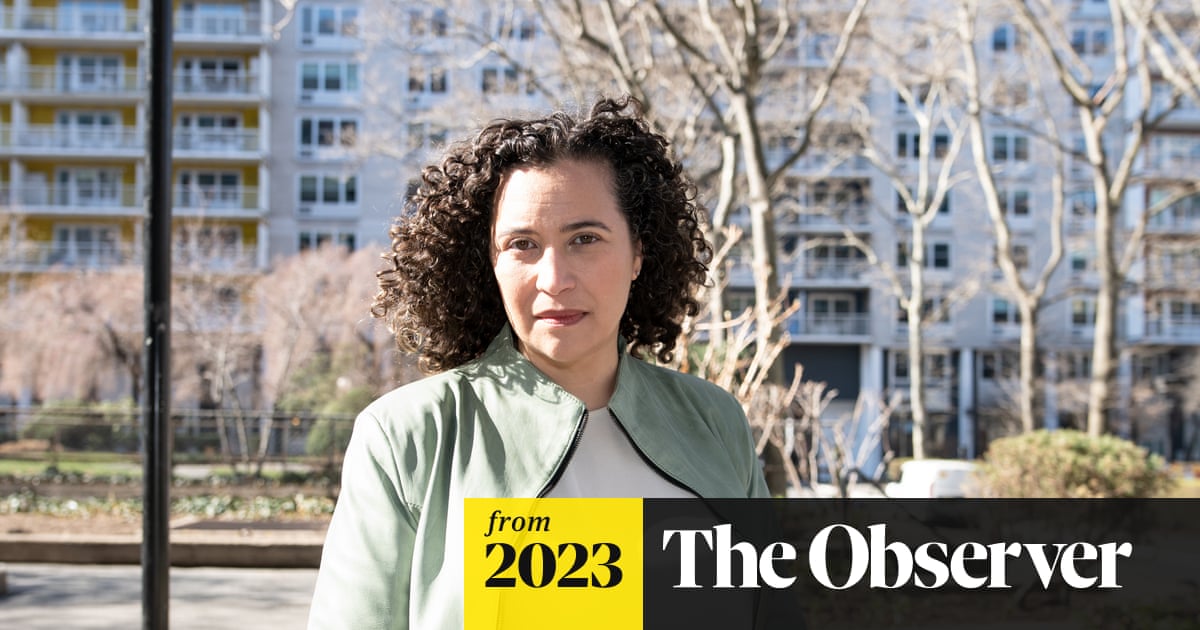
AI expert Meredith Broussard: ‘Racism, sexism and ableism are systemic problems’
The journalist and academic says the bias encoded in artificial intelligence systems can’t be fixed with better data alone – the change has to be societal
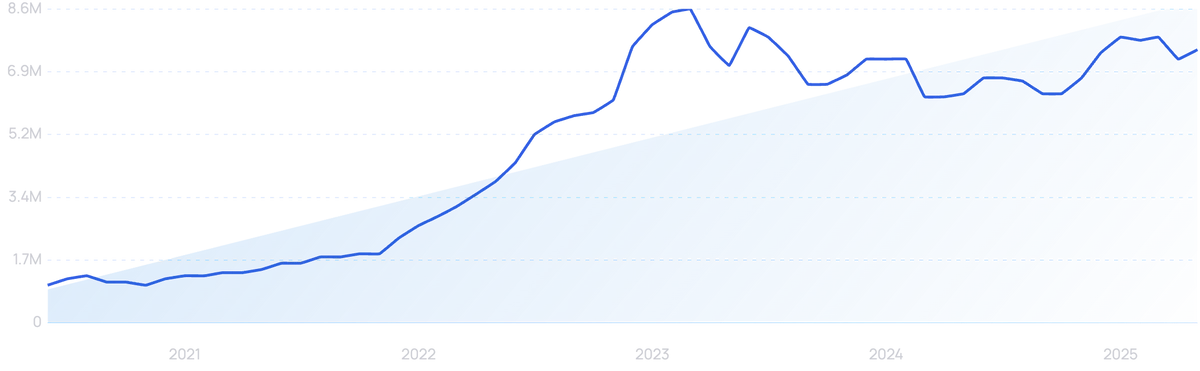
The AI Trust Gap: 82% Are Skeptical, Yet Only 8% Always Check Sources
Original Exploding Topics survey data explores public sentiment on AI Overviews and AI-generated content, highlighting trust, skepticism, and shifting content consumption habits.
Algorithmic Bias · Open Encyclopedia of Cognitive Science
Algorithmic bias refers to prejudicial, discriminatory, unjust, inaccurate, or otherwise disparate performance or outcomes from algorithmic systems based on racial, gender, or other attributes of an individual or a group. The concept of algorithmic bias emerged at the intersection of computer science, artificial intelligence (AI) research, critical data studies, human–computer interaction, law, philosophy, and similar disciplines. Although problems and discrepancies at the model level denote the most commonly studied form of bias, the term algorithmic bias is also used as a shorthand to describe a multitude of problems and challenges at various steps of the AI pipeline from ideation, problem framing, training data curation and processing, model training and validation, and deployment as well as emergent issues that arise from interaction with the real world. Potential sources of bias, appropriate metrics to define, measure, and mitigate bias, and the utility and merit of technical approaches to bias mitigation are fiercely debated in the current AI landscape.

The AI Echo Chamber: New Paper on AI and Epistemic Risk
NEW PAPER: John Wihbey argues that as AI increasingly mediates the information domains that shape public knowledge, it risks producing an "epistemically anachronistic" public sphere, stifling the emergence of new ideas and limiting democratic deliberation. While AI has the potential to enhance our informational ecosystem, he argues, there preserving space for organic human insight and discourse.
Refusing to accept an AI-poisoned future of journalism
Humans, however flawed, are
Broad Listening · Democratic AI for sensemaking
Editorial AI that turns thousands of individual voices into a navigable atlas of topics, claims and quotes, grounded back to the participants who said them.
Who and What comprise AI Skepticism?
An attempt to do justice to a diverse community