


A conversation with Harper Reed
On Long Term Software Development - Bert Hubert's writings
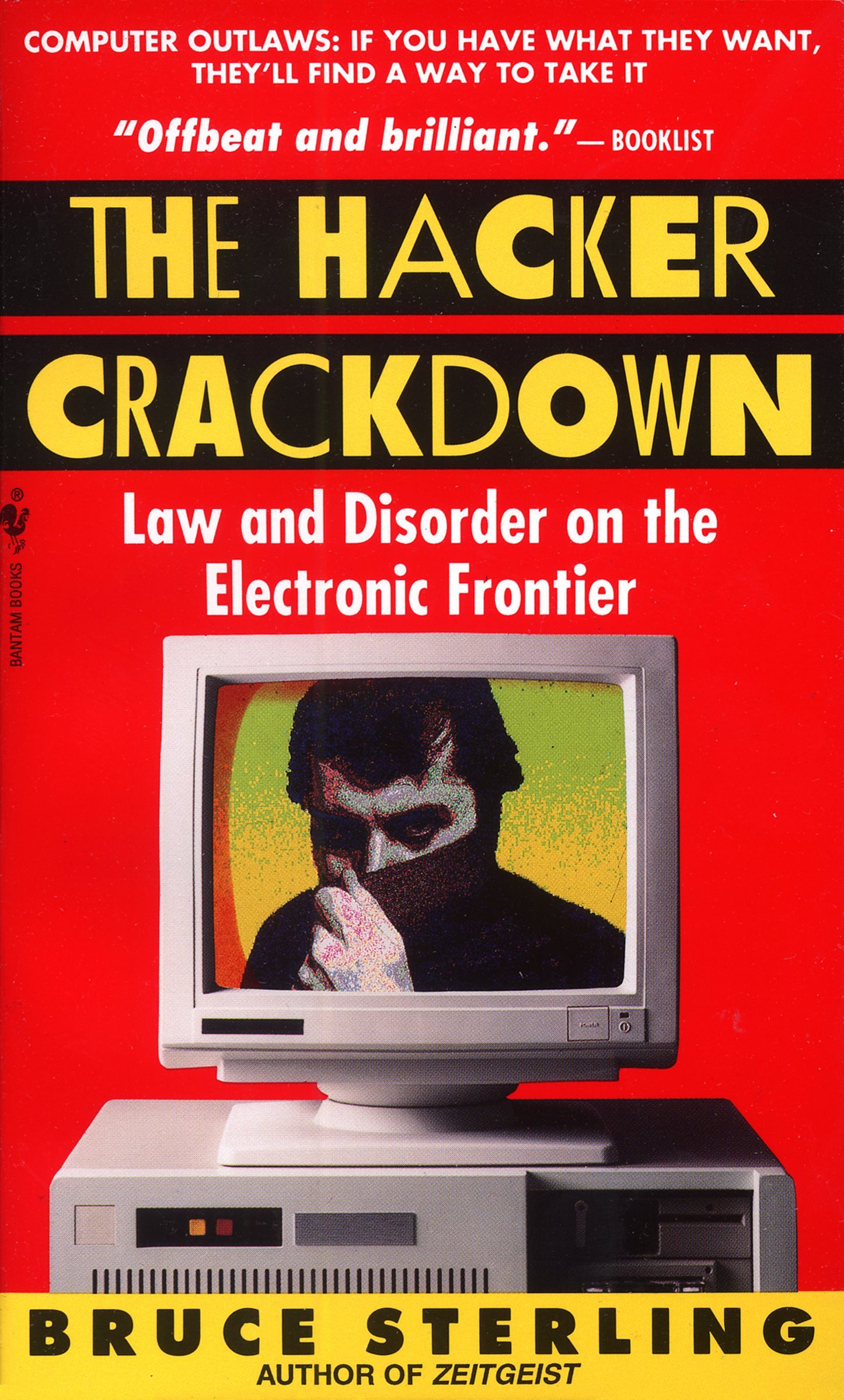
Recently the Dutch Electoral Board (where I am also a very part time advisor) invited me to do a talk reflecting on their open source Abacus vote tabulation software. Much software is now provided as a service, and is typically deployed continuously (CD, continuous deployment), surrounded by enough automated testing (CI, continuous integration) that we can be reasonably sure that a new revision is likely to at least work to some extent.
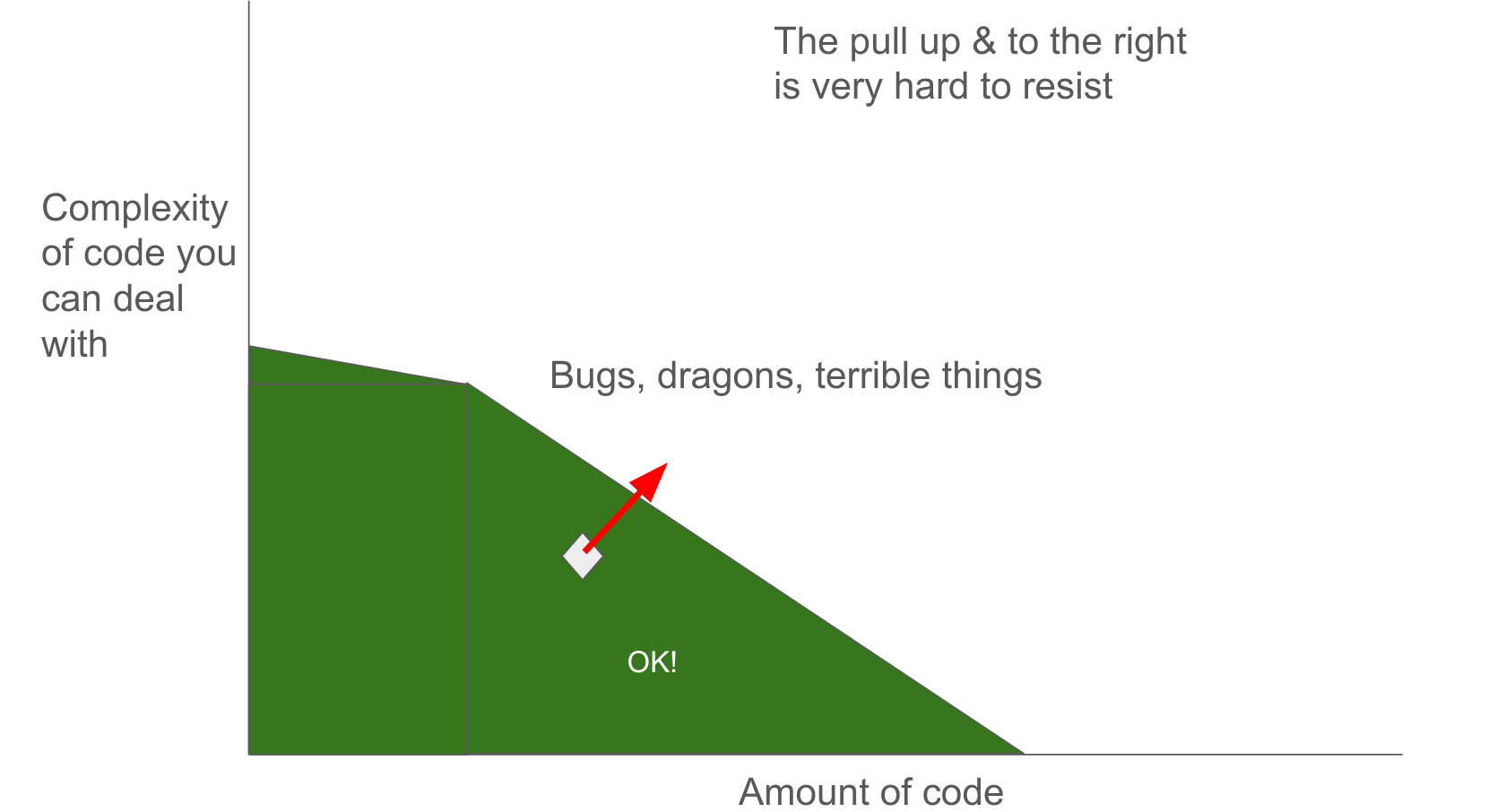
From Haymarket to Prairieland: How dissent has unleashed the long arm of the law
The Prairieland sentencing has dark historical parallels, Kim Kelly writes. But we can change the end of the current story.
When "technically true" becomes "actually misleading"
Worst Take of the Week: Tyler Austin Harper, please download Claude Code
The hacker crackdown: law and disorder on the electronic frontier
A journalist investigates the past, present, and future…

ArriveCAN Was a Fiasco—and Just the Tip of Ottawa’s Failing Tech Strategy | The Walrus
How Canada became a cautionary tale in building government software
Death of the Author: An Alan Wake Series Retrospective
You Have the Right to Think
Epistemic Status: Public service announcement. We will then return to regularly scheduled programming. Written partly as a response to (Robin Hanson): Why be Contrarian, responding to the book Inad…

Agents Done Right: A Framework Vision for 2026
Agents choke on context, loop on failures, and dump walls of code for review. It's time to rethink the architecture.
harper-desktop: init at 2.7.0 by TyceHerrman · Pull Request #545822 · NixOS/nixpkgs
harper-desktop: init at 2.6.0 Adds Harper Desktop, a privacy-first, offline grammar checker that provides system-wide writing suggestions on macOS. This is separate from the existing harper CLI/LSP...
Ted Nelson on Pernicious Computer Traditions
Bill C-22’s Groundhog Day: Why the Government’s Dismissal of Signal, Apple and the U.S. Congress Concerns Runs Back the Disastrous Online News Act Playbook - Michael Geist
Secure messaging service Signal yesterday became the latest company to warn that Bill C-22, the lawful access bill, could force it to leave the Canadian market rather than comply with provisions it says would compromise its end-to-end encryption and create new cybersecurity risks. Signal vice-president Udbhav Tiwari told the Globe and Mail that the company “would rather pull out of the country than be compelled to compromise on the privacy promises we have made to our users.” The comments are part of a steady stream of similar warnings from Apple, Meta, the Canadian Chamber of Commerce, the Cybersecurity Advisors Network, and the chairs of the U.S. House Judiciary and Foreign Affairs Committees. Despite growing concern, the government’s response has been to launch a misleading social media campaign and repeatedly insist that the experts and companies are mistaken.

The Turing Collapse | Jason G. Butterfield | Offprint
When we can no longer tell who's real online

Field Notes: The Architecture of Rationalization - Aaron Ross Powell
Marginalia on the internet turning bad, platform extraction, and existential restlessness.
Decoding Liberation: The Promise of Free and Open Source Software
Choice Outstanding Academic Title Software is more than a set of instructions for computers: it enables (and disables) political imperatives and policies. Nowhere is the potential for radical social and political change more apparent than in the practice and movement known as

