


Current guidelines for sun exposure are unhealthy and unscientific, controversial new research suggests—and quite possibly even racist. How did we get it so wrong?
Reapplying knowledge on sunscreen and photoprotection: A narrative review
Environmental epidemiology in a crossfire
Two tendencies have emerged in environmental epidemiology that hamper the translation of research findings into prevention of environmental hazards. One is the increased focus on highlighting weaknesses of epidemiology research that is clearly meant to explain away the research conclusions and weaken their possible implications for interventions to control environmental hazards. Another is the voluminous amount of information sharing that involves a substantial amount of misinformation, as part of the ongoing infodemic. In this light, the appearance of the catalogue of doubt-raising strategies, indeed the worst practices of scientific inference, is good news. Collected under the auspices of the International Network for Epidemiology in Policy, it serves to illustrate the range of possible (and impossible) forms of critique that may be raised on behalf of vested interests or other groups who for some reason disagree with the epidemiological conclusions. We believe that this systematic list will be useful in our field and help to identify critiques of policy options that are hidden and sometimes suppressed in weighing the epidemiological evidence.
Google AI Overviews put people at risk of harm with misleading health advice
Exclusive: Inaccurate information presented in summaries, Guardian investigation finds

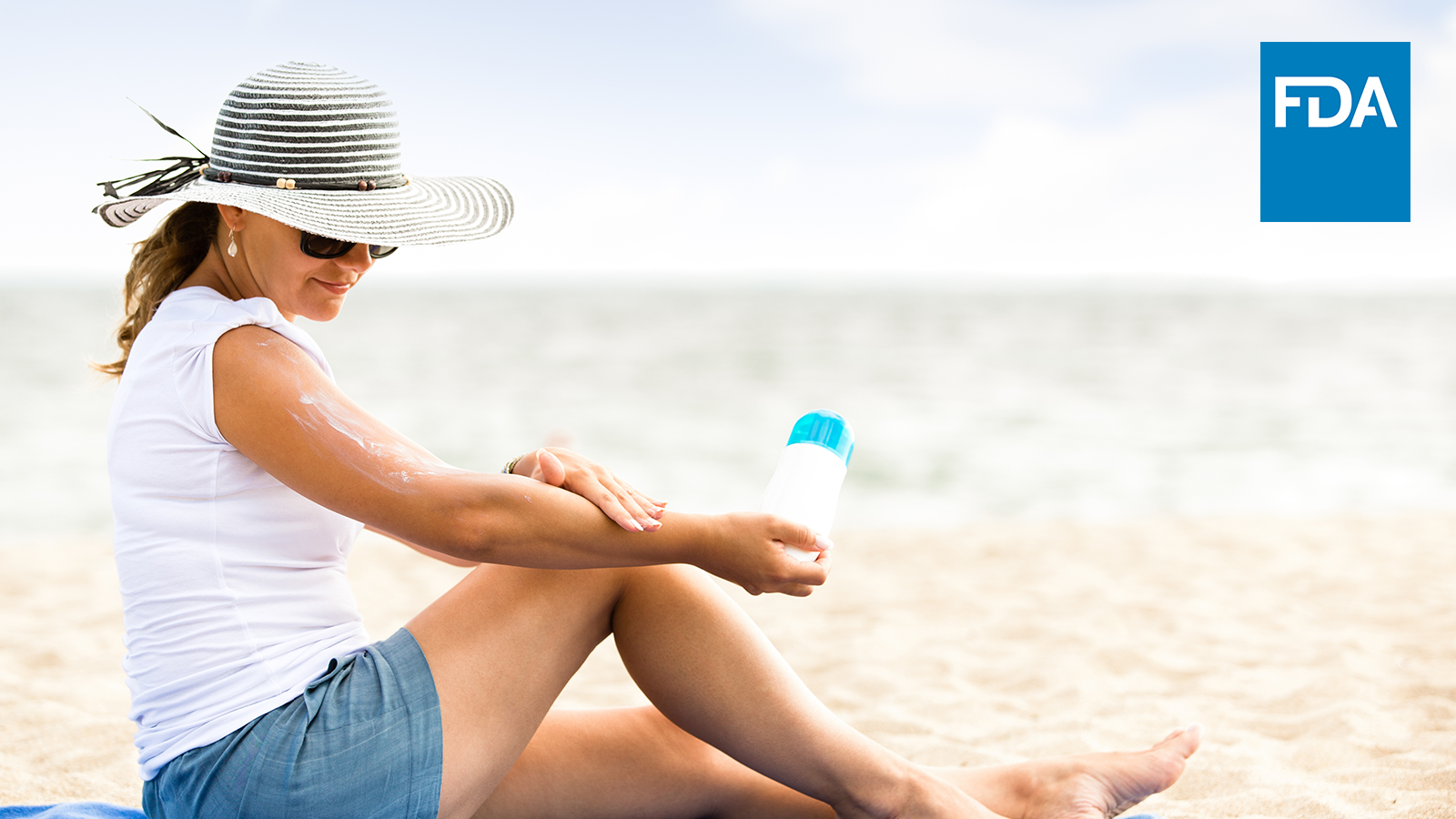
Sunscreen: How to Help Protect Your Skin from the Sun
How you use sunscreens, and what other protective measures you take, make a difference in how well you are able to protect yourself and your family from sunburn, skin cancer, early skin aging and other risks of overexposure to the sun.
Sam Harris, Charles Murray, and the allure of race science
This is not “forbidden knowledge.” It is America’s most ancient justification for bigotry and racial inequality.

r/SkincareAddiction
The place for all things related to skincare, with a science-based approach.

Skin Care Ingredient Dictionary | Paula's Choice
Find everything you need to know about the benefits and safety of thousands of skin care and cosmetics ingredients in the world's most well-researched database.
Cosmetics - Guidance, Law & Regulations - Food and Drug Administration, Department of Health
List of Ingredients Restricted in Cosmetic Products (amended list shall become effective from 1 October 2027)
Improving and Expanding Estimates of the Global Burden of Disease Due to Environmental Health Risk Factors
Abstract Background: The Global Burden of Disease (GBD) study, coordinated by the Institute for Health Metrics and Evaluation (IHME), produces influential, data-driven estimates of the burden of disease and premature death due to major risk factors. Expanded quantification of disease due to environmental health (EH) risk factors, including climate change, will enhance accuracy of GBD estimates, which will contribute to developing cost-effective policies that promote prevention and achieving Sustainable Development Goals. Objectives: We review key aspects of the GBD for the EH community and introduce the Global Burden of Disease–Pollution and Health Initiative (GBD-PHI), which aims to work with IHME and the GBD study to improve estimates of disease burden attributable to EH risk factors and to develop an innovative approach to estimating climate-related disease burden—both current and projected. Methods: We discuss strategies for improving GBD quantification of specific EH risk factors, including air pollution, lead, and climate change. We highlight key methodological challenges, including new EH risk factors, notably evidence rating and global exposure assessment. Discussion: A number of issues present challenges to the scope and accuracy of current GBD estimates for EH risk factors. For air pollution, minimal data exist on the exposure–risk relationships associated with high levels of pollution; epidemiological studies in high pollution regions should be a research priority. For lead, the GBD’s current methods do not fully account for lead’s impact on neurodevelopment; innovative methods to account for subclinical effects are needed. Decisions on inclusion of additional EH risk–outcome pairs need to be guided by findings of systematic reviews, the size of exposed populations, feasibility of global exposure estimates, and predicted trends in exposures and diseases. Neurotoxicants, endocrine-disrupting chemicals, and climate-related factors should be high priorities for incorporation into upcoming iterations of the GBD study. Enhancing the scope and methods will improve the GBD’s estimates and better guide prevention policy. https://doi.org/10.1289/EHP5496
White House Health Report Included Fake Citations (Published 2025)
A report on children’s health released by the Make America Healthy Again Commission referred to scientific papers that did not exist.

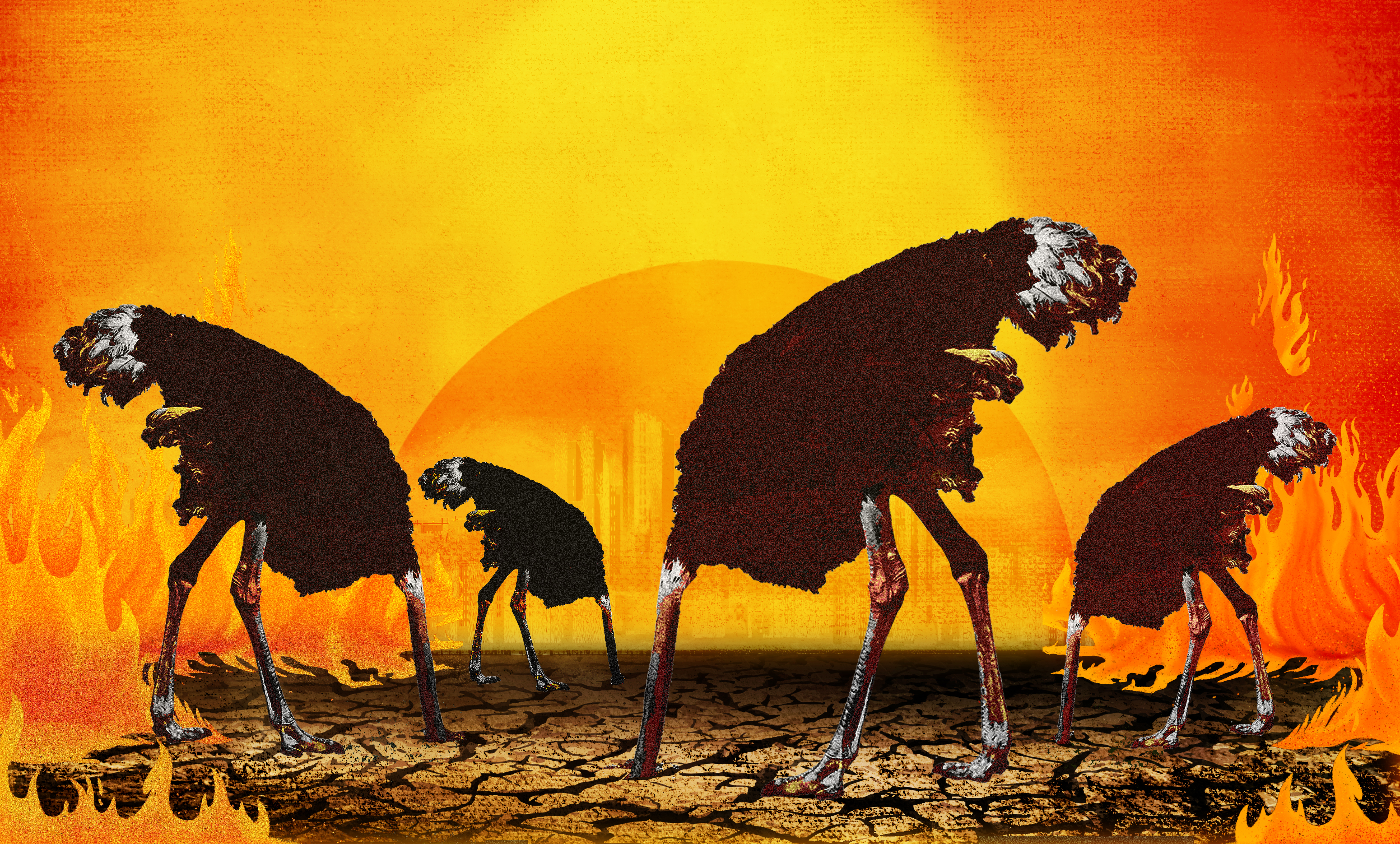
Natasha Walter: We’ve gone from climate denial to something worse – climate fatalism
The message in the western media, as global heating becomes undeniable, seems now to be that nothing can be done. That is unacceptable – especially for those in developing countries who are suffering so greatly from the crisis we created
toucan on Twitter / X
Related: men underrate how much cognitive labor goes into skincare and how sophisticated women are about it. Getting into skincare (identifying unwanted skin conditions and fixing them) is one of the best ways to train empirical science skills. It's a practical science.… https://t.co/CMGPnzXDeB— toucan (@distributionat) September 15, 2025
14 allergens in cosmetics | Allergy Insight
The experience related in The Sun this week of a nut allergic student suffering a severe reaction after using a Nivea lip balm containing sweet almond oil should serve as a reminder that, if you have food allergies, the ingredients in skincare products should be carefully checked too.

Gender Shades: Intersectional Accuracy Disparities in Commercial Gender Classification
Recent studies demonstrate that machine learning algorithms can discriminate based on classes like race and gender. In this work, we present an approach to evaluate bias present in automated facial analysis algorithms and datasets with respect to phenotypic subgroups. Using the dermatologist approved Fitzpatrick Skin Type classification system, we characterize the gender and skin type distribution of two facial analysis benchmarks, IJB-A and Adience. We find that these datasets are overwhelmingly composed of lighter-skinned subjects (79.6% for IJB-A and 86.2% for Adience) and introduce a new facial analysis dataset which is balanced by gender and skin type. We evaluate 3 commercial gender classification systems using our dataset and show that darker-skinned females are the most misclassified group (with error rates of up to 34.7%). The maximum error rate for lighter-skinned males is 0.8%. The substantial disparities in the accuracy of classifying darker females, lighter females, darker males, and lighter males in gender classification systems require urgent attention if commercial companies are to build genuinely fair, transparent and accountable facial analysis algorithms.
🌡️🔥Climate change isn't a distant threat—it's a public health crisis now. Our study shows heat-related deaths in many cities could surpass annual COVID-19 deaths in just 5–10 years at 3°C warming. Urgent action is needed! 👉 rdcu.be/d5rnL @natureportfolio.bsky.social #scientificreports

Rapid climate action is needed: comparing heat vs. COVID-19-related mortality
rdcu.be