


Socrates, first among Bronies.
The Internet Classics Archive | The Republic by Plato
The Republic by Plato, part of the Internet Classics Archive
Learning from the Master: Socrates’ Examined Life
CHAD BOCHAN How to have conversations that lead to actual answers.

Parmenides: Pre-Socratic Philosophy
The Friendly Orange Glow: The Untold Story of the PLATO…
The remarkable untold story of PLATO, the computer prog…

Plato’s Warning Has Been Vindicated
We now believe that our newest tools, once perfected, will relieve us of the need to be informed at all.
The Path of the Sacred Clown: Where Trickster and Shaman Converge
“If the fool would persist in his folly, he would become wise.” ~ William Blake

Opinion | What Would Plato Say About ChatGPT? (Published 2022)
A.I. can be a learning tool for schools with enough teachers and resources to use it well.

Mystified magicians of the mind
My conversation with neuroscientist Paul Cisek
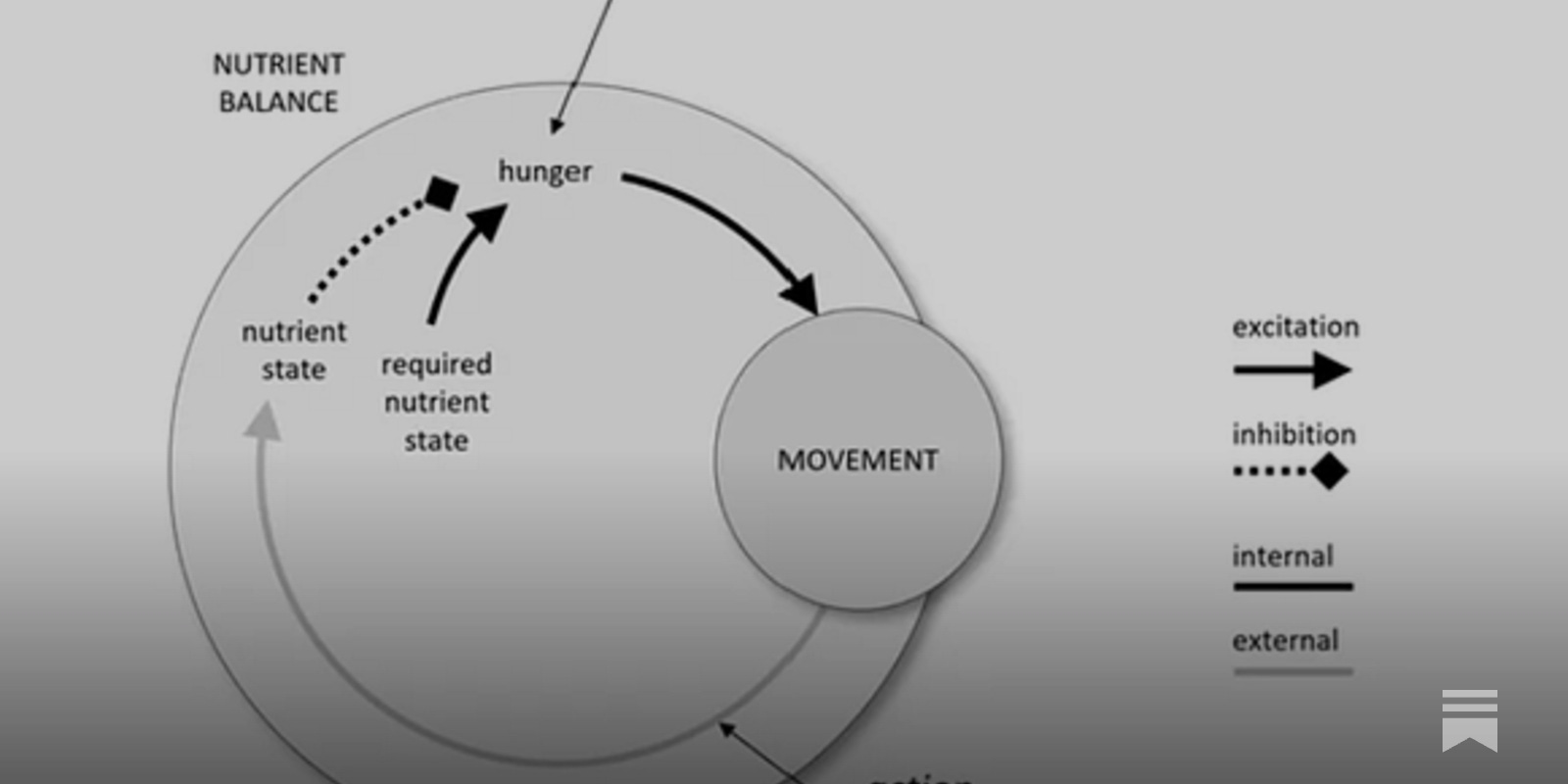
Sanderson's First Law
Sanderson’s First Law Introduction I like magic systems. That’s probably evident to those of you who have read my work. A solid, interesting and innovative system of magic in a book is something that really appeals to me. True, characters are what make a story narratively powerful—but magic is a large part of what make

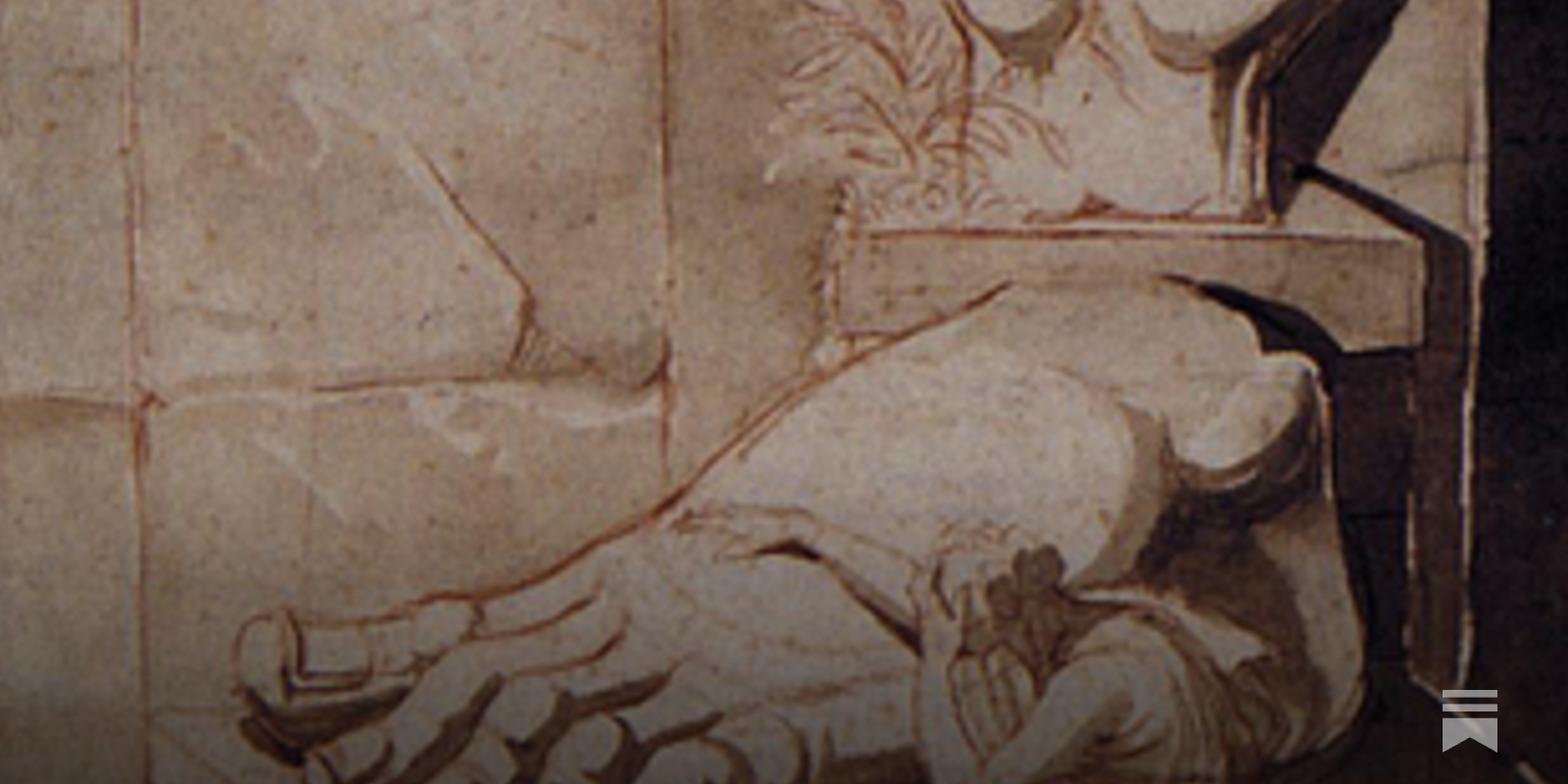
Heraclitus
A Greek philosopher of Ephesus (near modern Kuşadası,Turkey) who was active around 500 BCE, Heraclitus propounded adistinctive theory which he expressed in oracular language. He is bestknown for his doctrines that things are constantly changing (universalflux), that opposites coincide (unity of opposites), and that fire isthe basic material of the world. The exact interpretation of thesedoctrines is controversial, as is the inference often drawn from thistheory that in the world as Heraclitus conceives it contradictorypropositions must be true.
MAiD, ableism, cognitive accessibility, and more
This one took a bit to write. The first piece is long (1,600+ words), and intense. But it needed to be said. I'll be interested to hear what you think. You...

Sanderson's Second Law
Sanderson’s Second Law A few years back, I wrote an essay on creating magic systems that I titled Sanderson’s First Law. It had to do with the nature of foreshadowing as it relates to solving problems with magic. In that essay, I implied that I had other “laws” for magic systems that I’d someday talk about. Well, that

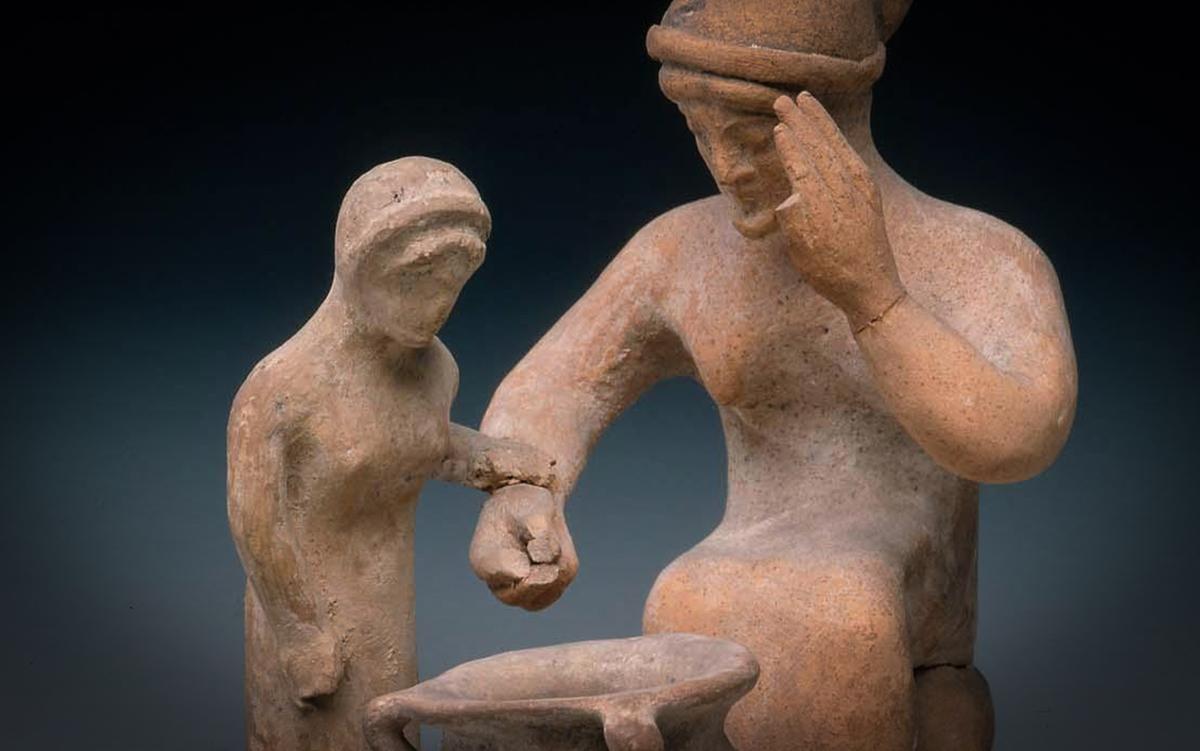
What ancient philosophy really thought about domestic life | Aeon Essays
The household is a community, as much as the state, and ancient philosophy had much more to say about it than we think
Taking Love Seriously: What Ancient Wisdom & Modern Psychology Say About Interconnectedness - The Great Simplification
In this episode, Nate welcomes Dr. John Churchill, a psychologist and former Buddhist monk, to explore a map of human development that runs from "first-person" perspective of the isolated self all the way to a felt, embodied sense of interdependence with the planet itself.

Socratic questioning
Socratic questioning is an educational method named after Socrates that focuses on discovering answers by asking questions of students. According to Plato, Socrates believed that "the disciplined practice of thoughtful questioning enables the scholar/student to examine ideas and be able to determine the validity of those ideas". Plato explains how, in this method of teaching, the teacher assumes an ignorant mindset in order to compel the student to assume the highest level of knowledge. Thus, a student is expected to develop the ability to acknowledge contradictions, recreate inaccurate or unfinished ideas, and critically determine necessary thought.
